
HiPinny Journal
Enamel Pins vs. Button Pins: Which Is Right for Your Project?
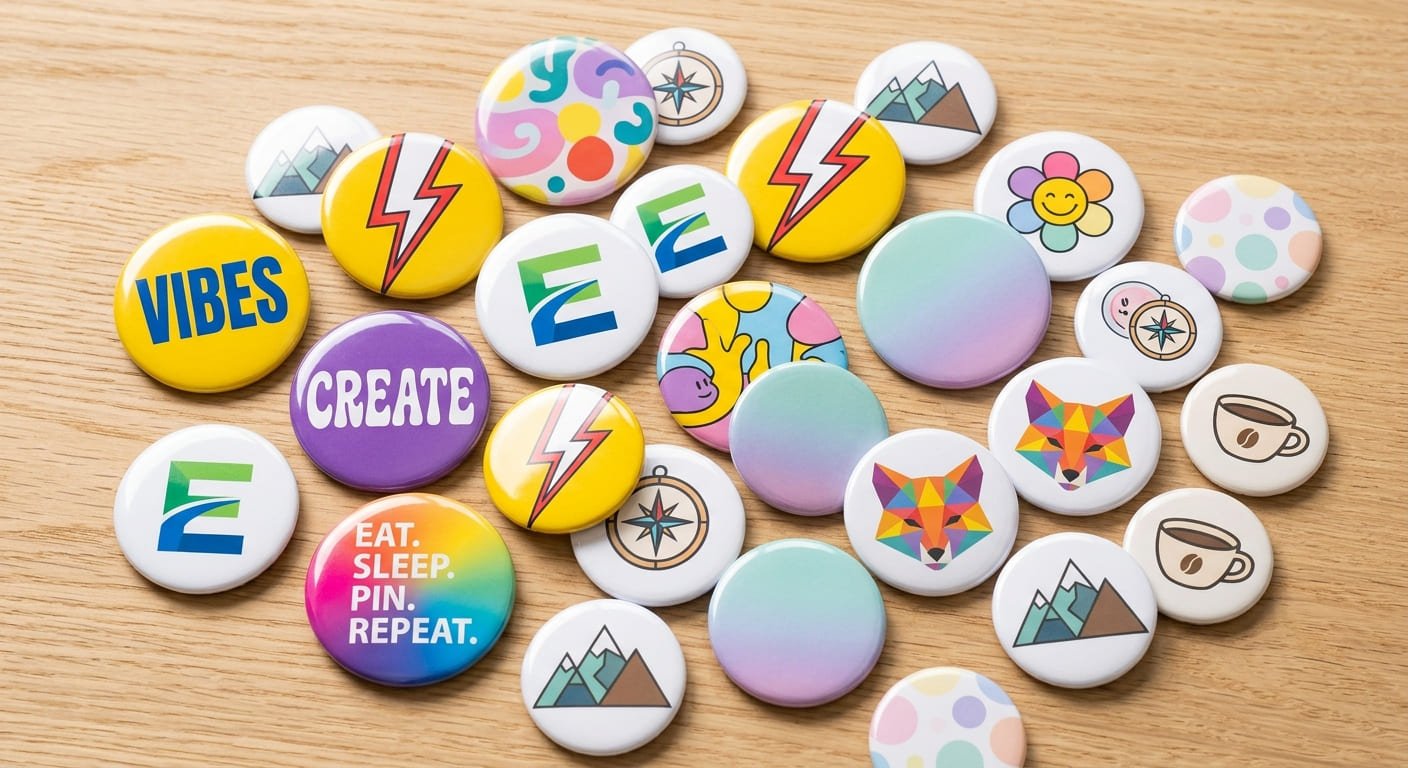
Choosing between enamel pins and button pins can feel confusing if you don’t know their key differences. Both offer unique advantages, but your decision should align with your project goals, budget, and audience. Misjudging these factors could lead to wasted resources or a product that doesn’t resonate with your target market.
Enamel pins are ideal for high-quality, durable, and visually striking pieces, while button pins excel at cost-efficiency and versatility for mass distribution. Each type serves a purpose, and understanding their distinctions will help you make the right choice for your needs.
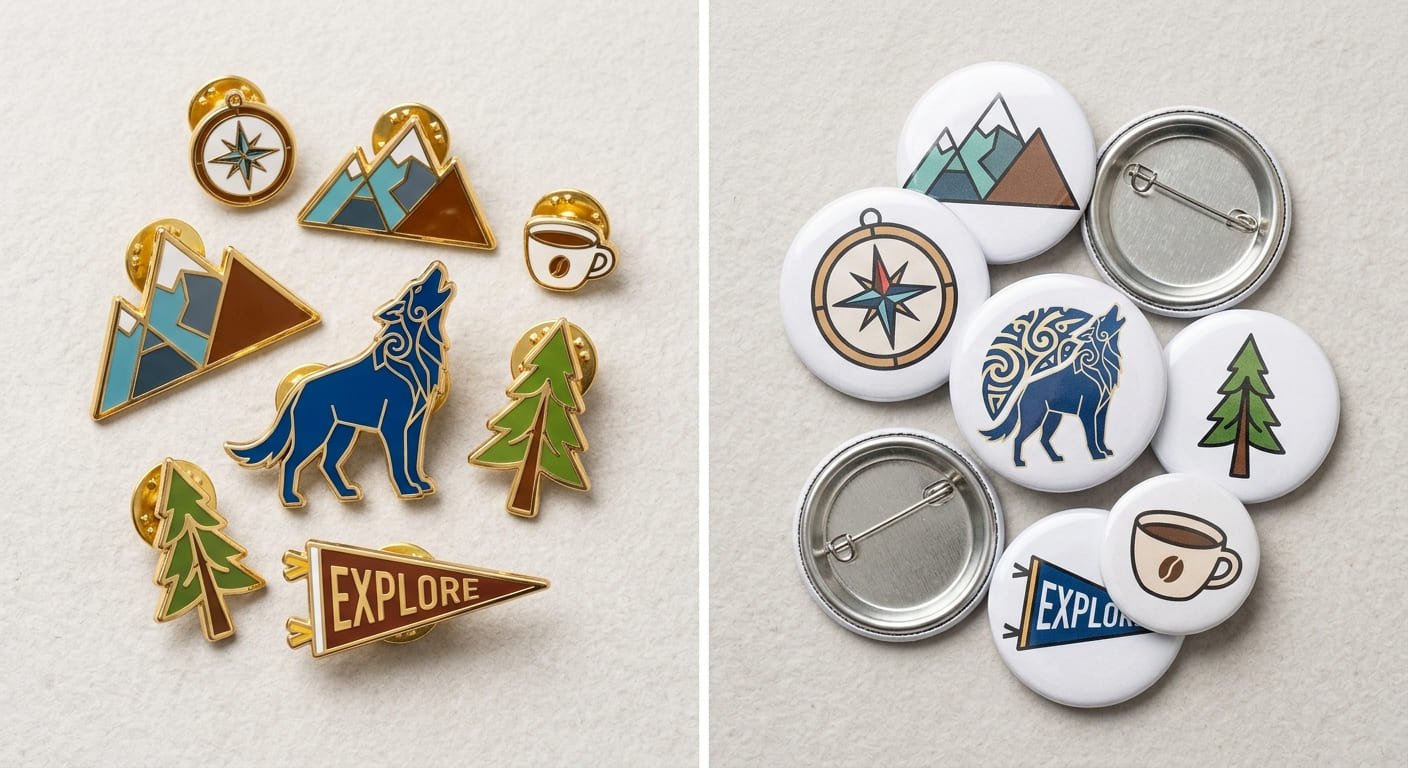
Before diving into the specifics, let’s explore the core differences between these pins and the key factors that should guide your decision.
What makes enamel pins unique?
If you’re focusing on quality, enamel pins stand out for their premium feel. But they come with a higher price tag, so let’s unpack whether they’re worth the investment.
Enamel pins are small, durable, and visually polished pins crafted from metal. They often serve as collectible, high-value items that appeal to specialized markets.
Dive deeper: The charm and practicality of enamel pins
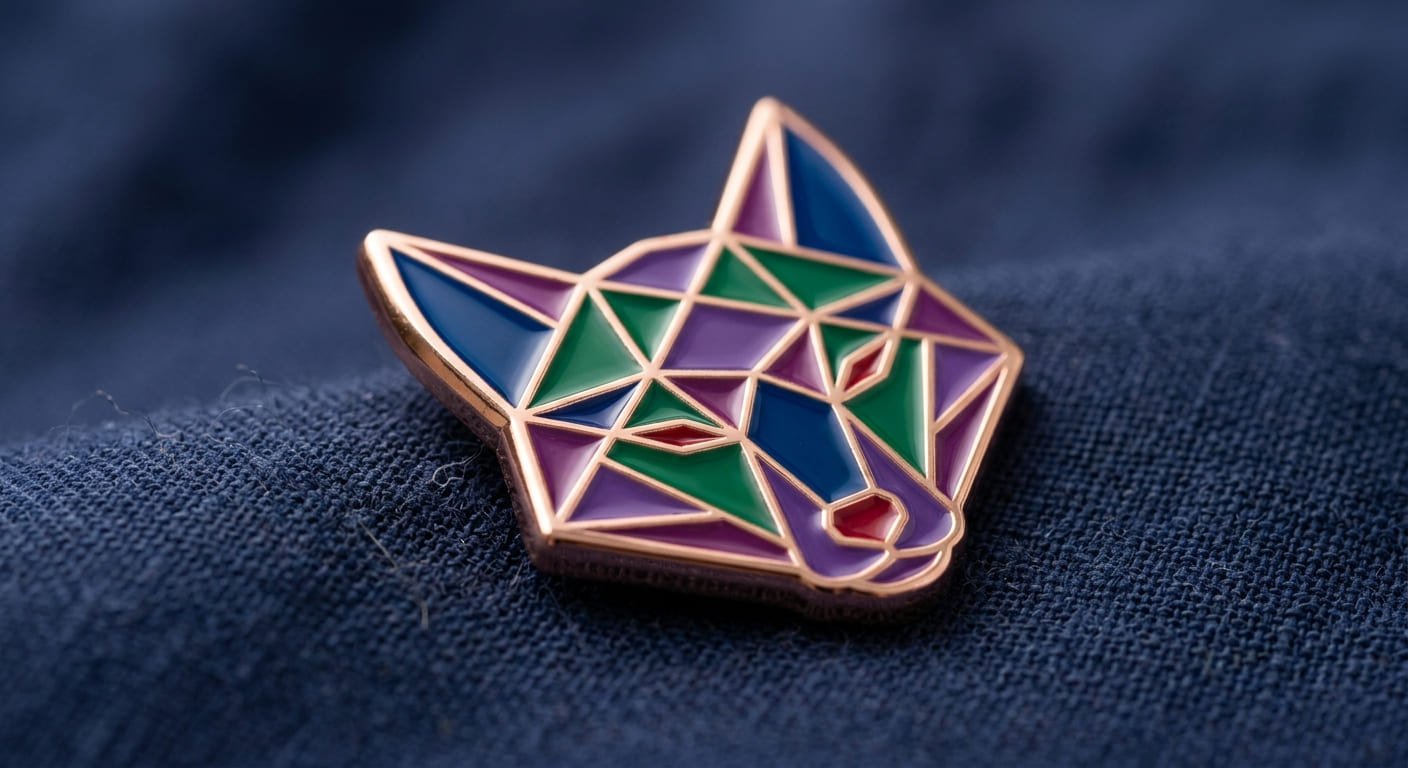
Enamel pins are typically made with metal and filled with colored enamel, giving them a detailed, high-quality finish. There are two main types: hard enamel and soft enamel. Hard enamel has a smooth, polished surface, while soft enamel has recessed areas that add texture. Both are durable and resistant to wear, making them ideal for long-term use.
Many of my clients gravitate toward enamel pins when they’re creating products for high-end audiences. For example:
- Luxury brands will often choose enamel pins to launch premium merchandise lines. The aesthetic and durability justify the higher price, reflecting the brand’s perception of quality.
- Independent pin creators frequently use enamel pins to add to their artistic portfolios. Custom designs can fetch a premium price, even if production costs are higher.
- Corporate promotions targeting a more exclusive market use enamel pins as a high-value giveaway, leaving a lasting impression.
However, enamel pins have trade-offs. Not only are they more expensive to produce, but the lead times often stretch longer than button pins due to their intricate manufacturing process. As a result, they may not be the best choice for time-critical or budget-constrained projects.
Button pins are often underestimated due to their simplicity, but they can be a strategic choice for large-scale distribution and high-visibility campaigns.
Button pins are lightweight pins with printed designs, typically encased in a plastic or metal covering and a transparent film1. They’re budget-friendly, flexible, and easy to distribute in high volumes.
Dive deeper: Why button pins excel at scale
Button pins are a cost-effective choice for projects prioritizing affordability and flexibility. Unlike enamel pins, which emphasize luxury and longevity, button pins shine in situations where wide reach and low cost are the goals.
For instance:
- Schools and nonprofits running large-scale events such as fundraisers or awareness campaigns often choose button pins. With lower production costs, they can order thousands of pins without overspending their budgets.
- Marketing campaigns with a focus on mass distribution prefer button pins as freebies. They’re lightweight, easier to produce in bulk, and perfect for creating event buzz.
- Event organizers planning festivals or concerts may prioritize volume over exclusivity. Button pins can be designed with bold branding to reach wider audiences.
That said, the trade-off for affordability can be quality. Button pins can feel less sturdy and scratch more easily compared to enamel pins. Their appeal is more functional than collectible, and they may not align with corporate or luxury branding needs.
Making a clear decision requires first assessing your project’s unique needs. These considerations will help guide your choice:
1. Budget constraints
- Button pins: Best for small budgets or high-volume orders.
- Enamel pins: Require a larger per-unit investment but deliver premium quality.
2. Target audience
- Who’s receiving the pins? Luxury brands, collectors, and professionals often prefer enamel pins. Button pins tend to resonate with general audiences or youth-oriented markets.
3. Project purpose
- If you aim to provide customer giveaways or promote a cause, button pins are the practical option. For high-end merchandise or collector items, enamel pins align better with your objectives.
4. Design complexity
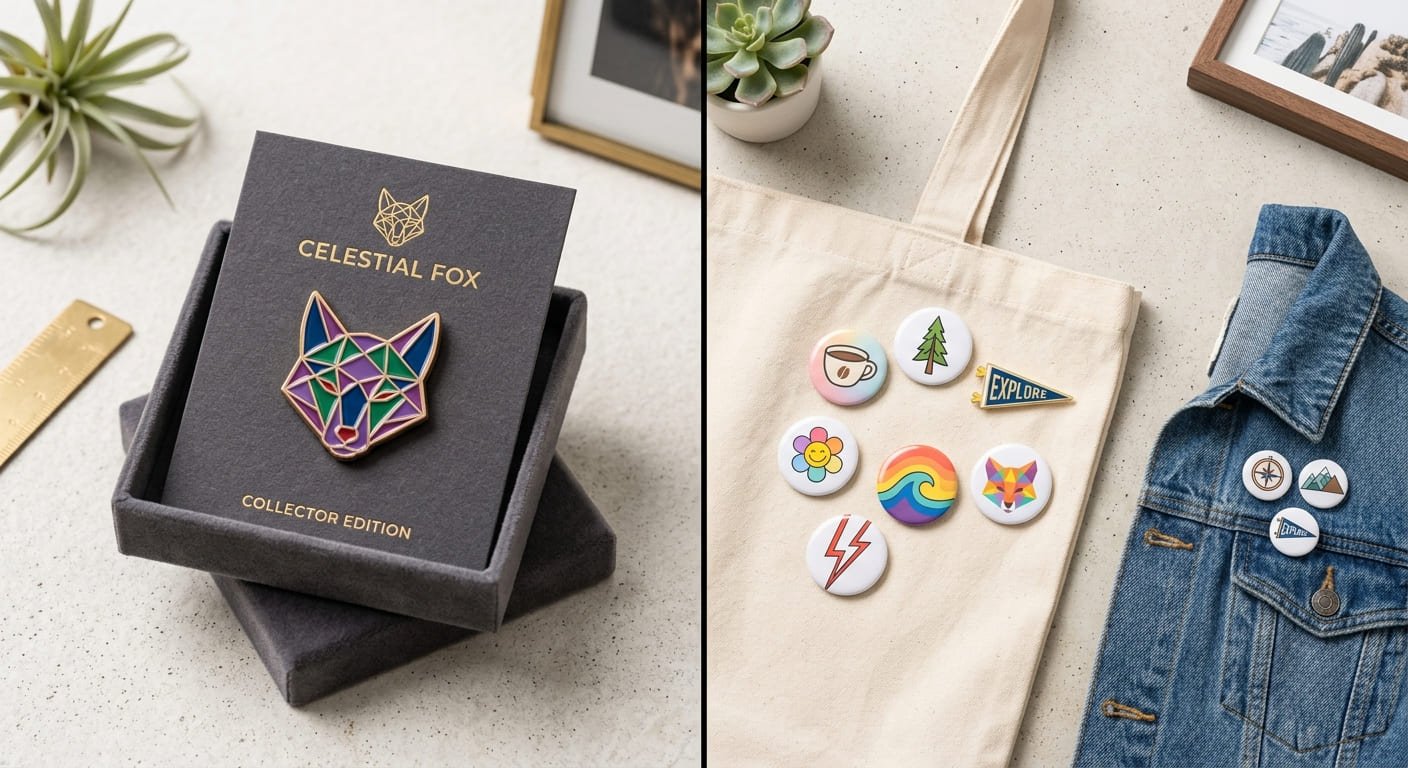
- Although both types can feature custom designs, enamel pins capture intricate detail with higher longevity, while button pins can reproduce vibrant imagery in a more straightforward way.
5. Production and timing
- Button pins: Faster turnaround time.
- Enamel pins: Highly customizable but require a more extended production timeline.
Frequently Asked Questions
What’s the average cost difference between enamel pins and button pins?
The cost of enamel pins is higher, typically ranging from $1.50–$3.00 per unit depending on quantity and design complexity2. Button pins range from $0.20–$0.50 per unit, making them far more affordable for high-volume orders.
Can button pins achieve the same level of detail as enamel pins?
Button pins can reproduce detailed designs with full-color printing3, but they lack the textural depth and premium feel of enamel pins. If your audience values collectibility and durability, enamel pins are a better fit.
Are enamel pins better for business branding?
Not necessarily. Enamel pins are excellent for sophisticated branding, particularly for luxury or premium markets. However, button pins are better for large-scale brand exposure and affordability, especially for promotional campaigns.
Which pin type is more eco-friendly?
Both pins have environmental impacts depending on materials used. Button pins rely on plastic components, while enamel pins require a more energy-intensive metal production process. If sustainability is a concern, consult manufacturers for eco-friendly options.
How many pins should I order?
This depends on your project goals. For events or giveaways, button pins in bulk (1,000+ units) ensure broad reach. Enamel pins work best for exclusive projects, and quantities typically range between 100–500 units.
Conclusion
Choosing between enamel pins and button pins comes down to your strategy. Enamel pins excel in quality, durability, and a premium look, making them perfect for high-value projects. Button pins, with their affordability and versatility, are ideal for mass distribution and cost-conscious campaigns. Understanding your project requirements will ensure your message resonates with the right audience.
If you’re considering custom enamel pins or button pins for your project, reach out for expert guidance. Let’s make sure your next project is a success—down to the finest detail.
"Pin-back button", https://en.wikipedia.org/wiki/Pin-back_button. Educational guides on button pin manufacturing confirm that they are constructed with printed designs encased in a plastic or metal shell and covered with a transparent film for protection. Evidence role: mechanism; source type: education. Supports: Button pins are made with printed designs encased in plastic or metal and a transparent film.. ↩
"What's the price for an enamel pin you consider a steal? ...", https://www.reddit.com/r/EnamelPins/comments/1pyalka/whats_the_price_for_an_enamel_pin_you_consider_a/. Market research on custom enamel pins indicates that their cost typically falls between $1.50 and $3.00 per unit, depending on design complexity and order volume. Evidence role: statistic; source type: research. Supports: The cost of enamel pins ranges from $1.50–$3.00 per unit.. ↩
"Button Pins", https://bayphoto.com/photo-gifts/button-pins/?srsltid=AU7gw4UjxpOQ0-TdPDGfpVIBIe34V5bfru3x0qLUOtL2MKTqWwmIyf4Y. Research on button pin production confirms that modern printing techniques allow for detailed, full-color designs on button pins. Evidence role: mechanism; source type: research. Supports: Button pins can reproduce detailed designs with full-color printing.. ↩