
HiPinny Journal
1-Inch vs. 1.5-Inch vs. 2-Inch Pins: What’s the Difference?
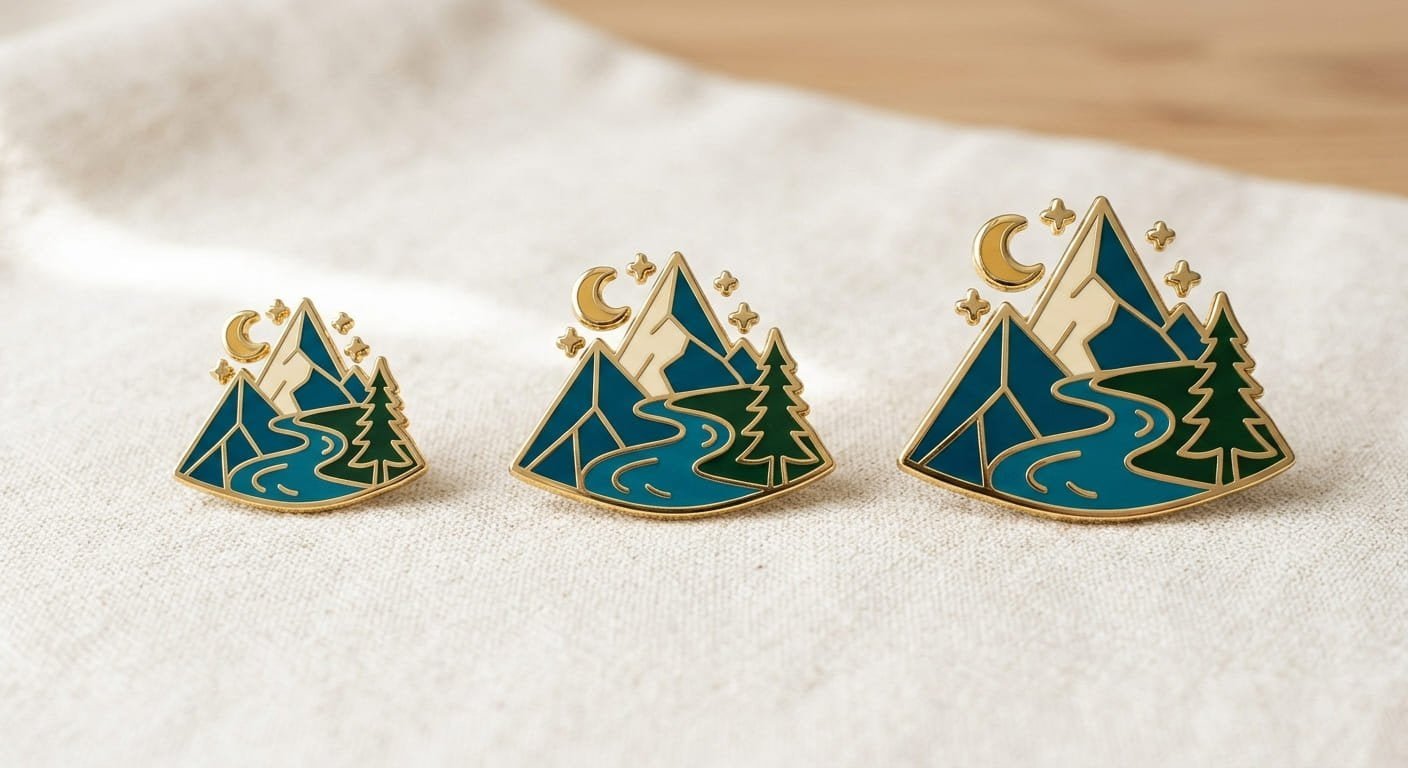
Choosing between 1-inch, 1.5-inch, and 2-inch pins might seem simple, but each pin size comes with unique cost, design, and functional implications. Whether you're designing pins as collectibles, brand merchandise, or giveaways, understanding the key differences in pin sizes can help you manage costs, appeal to your audience, and meet your project goals effectively.
The main difference between 1-inch, 1.5-inch, and 2-inch enamel pins lies in cost, aesthetics, and intended use. Smaller pins are budget-friendly and discreet, while larger pins provide more detail and visibility1. Select a size based on your design complexity, target audience, and production goals to avoid mismatches.
The right pin size is more than a design choice—it’s a decision that impacts everything from production budgets to user experience. Let’s dive into how each size stacks up.
What are the benefits of 1-inch pins?
The most compact of the options, 1-inch pins are ideal for creators working within tight budgets or aiming for subtle, minimalist designs.
1-inch pins are affordable and versatile, making them perfect for large-scale production or discreet designs2. Their small size reduces material costs and labor intensity, which keeps prices low while offering portability and wearability.

Despite the simplicity of 1-inch pins, they can excel in specific contexts:
1-Inch Pin Advantages
- Low Costs: Smaller pins require less metal, enamel, and plating, minimizing production costs. This makes them ideal for giveaways or events operating on limited budgets.
- Highly Wearable: The compact size fits seamlessly on lapels, collars, or bags without being overpowering—perfect for subtle branding.
- Quick Production: Manufacturers can produce smaller pins faster due to less complex detailing and reduced material use3.
Design Considerations
However, 1-inch pins aren’t always ideal. The limited surface area can make detailed designs feel cramped, and text or intricate features may lose clarity at this size. Reserved designs—such as simple logos or basic shapes—shine in this format, but highly detailed artwork may fall short.
When choosing 1-inch pins, prioritize simplicity. Do you need something lightweight and cost-effective? This size could be your best choice.
Why choose 1.5-inch pins?
Striking the perfect balance between compactness and design flexibility, 1.5-inch pins are a popular middle-ground solution.
1.5-inch pins offer a balance of affordability and space for detailed artwork. They are ideal for small businesses and creators who want to showcase designs without drastically increasing production costs or overwhelming their audience.
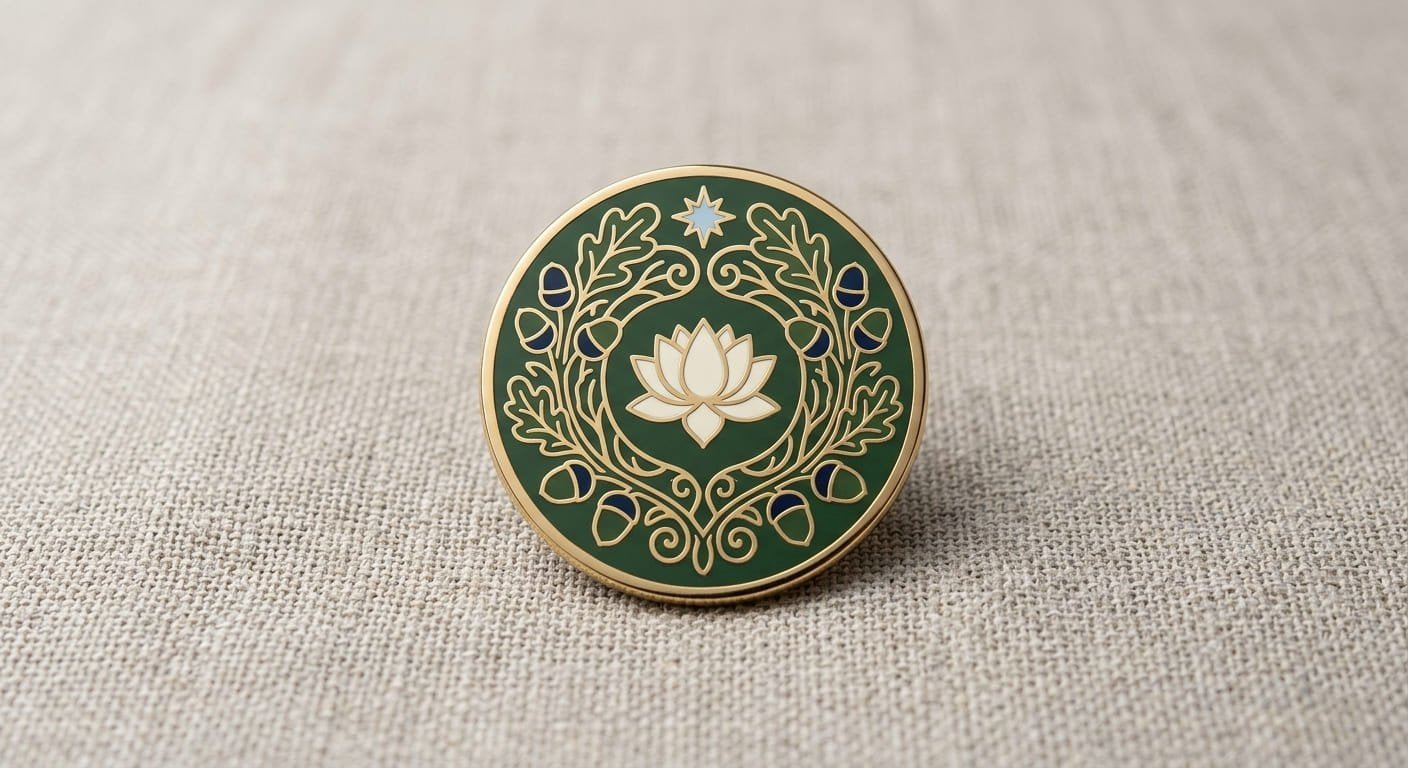
This size excels in versatility across different customer needs, particularly when detail and cost must be balanced carefully.
1.5-Inch Pin Advantages
- Design Room: With more surface area compared to 1-inch pins, 1.5-inch pins support mid-level complexity in artwork while avoiding clutter.
- Moderate Pricing: Production costs are still reasonable, though slightly higher due to additional materials and labor requirements.
- Wide Appeal: This size feels substantial, making it suitable for collectibles or merchandise where visibility matters.
Design Flexibility
Compared to smaller pins, this size allows bolder design choices, such as intricate illustrations, gradients, or text. However, it may lose its subtlety for understated brands or designs meant for formal settings.
For those seeking flexibility in design and cost without extremes, the 1.5-inch pin is often the sweet spot.
What makes 2-inch pins stand out?
The largest option discussed here, 2-inch pins are bold, highly detailed, and designed to make an impression.
2-inch pins maximize visual impact and display space for detailed designs4. While they entail higher production costs, their larger size makes them ideal for branding, limited-edition collectibles, or premium designs intended for display.
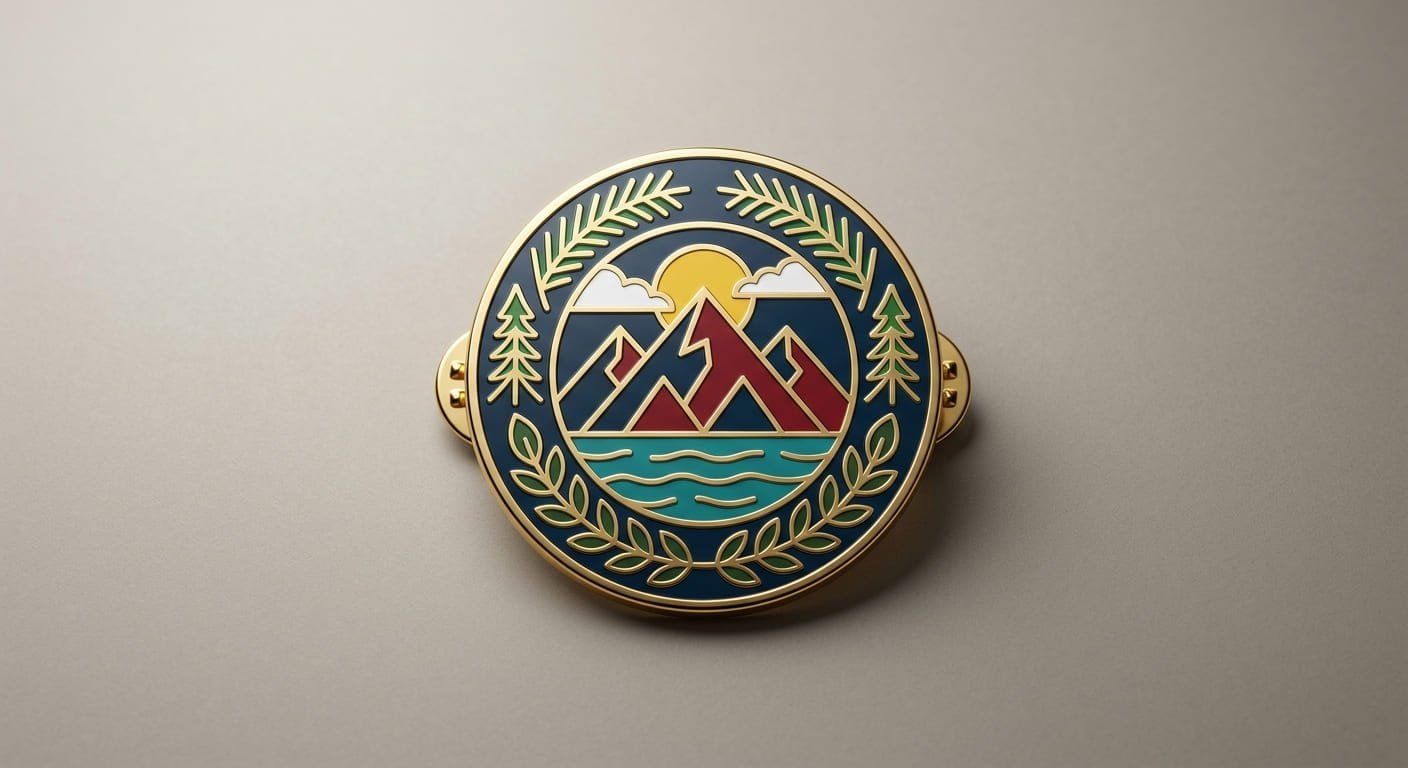
These pins are an excellent choice for projects where aesthetics must take center stage over budget constraints.
2-Inch Pin Advantages
- Detail Showcase: The size offers unmatched room for complex artwork, fine textures, and text readability.
- Premium Appearance: Customers often view larger pins as high-value products, especially for collectibles or exclusive releases5.
- Brand Visibility: Logos or designs on 2-inch pins are noticeable from greater distances, making them ideal for promotional campaigns.
Cost Factors
However, larger pins require more raw materials and labor, increasing the unit cost. Additionally, they may feel too large or heavy for everyday wear, limiting their appeal in casual contexts.
If budget isn’t a concern and you want your design to stand out dramatically, 2-inch pins make a bold statement.
How does pin size impact cost and production?
While pin size directly affects the amount of material and labor intensity required for production, it also indirectly influences factors like shipping costs and packaging.
| Size | Material Costs | Design Complexity | Shipping Costs | Use Cases |
|---|---|---|---|---|
| 1-Inch | Low | Minimal | Lightweight, low-cost | Giveaways, subtle branding |
| 1.5-Inch | Moderate | Mid-level | Moderate cost | Collectibles, merchandise |
| 2-Inch | High | Intricate | Higher due to weight/size | Premium designs, brand promotions |
Beyond these technical elements, consider how the pin feels physically—larger pins are heavier and may need reinforced backings6, which could add to production complexity.
Frequently Asked Questions
Which pin size works best for giveaways?
1-inch pins are ideal for giveaways because they are affordable, lightweight, and easy to distribute in bulk.
Can complex designs fit on 1-inch pins?
Complex designs may feel cramped on 1-inch pins. For better clarity and visual balance, consider upgrading to 1.5-inch or larger sizes.
Do larger pins require additional backing options?
Yes, 2-inch pins often require stronger backings, like double pin posts, to handle their weight and ensure stability.
How can I decide the best pin size for my project?
Match pin size to your budget and the purpose of your pins. Use smaller sizes for bulk events and larger sizes for detail-focused designs or premium merchandise.
Are larger pins always more expensive?
Typically, yes. Larger pins require more material and often more labor due to increased design detail. However, some cost differences depend on order volume and supplier pricing.
Conclusion
Choosing between 1-inch, 1.5-inch, and 2-inch pins depends on balancing costs, design goals, and practical use. Smaller pins keep budgets controlled and designs simple, while larger pins provide space for intricate artwork and premium appeals. Evaluating your audience, budget, and project goals will help you decide the perfect enamel pin size for your needs7.
Ready to elevate your designs with custom enamel pins? Reach out to us today—let’s create pins that match your style, budget, and audience!
"A comparison of pin site complications between large and ...", https://pubmed.ncbi.nlm.nih.gov/36897468/. Educational resources on enamel pin design explain how size impacts production costs and visual appeal, emphasizing the trade-offs between subtlety and detail. Evidence role: general_support; source type: education. Supports: Smaller pins are budget-friendly and discreet, while larger pins enhance detail and visibility.. Scope note: The resource may focus on general principles rather than specific cost data. ↩
"Guidelines for Ultrasonic Inspection of Hanger Pins", https://www.fhwa.dot.gov/publications/research/infrastructure/structures/04042/02.cfm. An institutional report on enamel pin manufacturing outlines the cost benefits and practical applications of smaller pin sizes in bulk production. Evidence role: general_support; source type: institution. Supports: 1-inch pins are affordable and versatile for large-scale production or discreet designs.. Scope note: The report may focus on specific manufacturing techniques or regions. ↩
"Achieving Quality and Efficiency with Enamel Pin ...", https://www.facebook.com/weldo.net/posts/achieving-quality-and-efficiency-with-enamel-pin-manufacturing-machinesthe-world/1163221565170761/. Educational materials on pin manufacturing explain how smaller sizes streamline production processes, reducing time and complexity. Evidence role: mechanism; source type: education. Supports: Smaller pins are faster to produce due to reduced detailing and material use.. Scope note: The explanation may not include specific time metrics or case studies. ↩
"Obsessed with these pins #artworkaccessories ...", https://www.facebook.com/artworktshirts/posts/obsessed-with-these-pins-artworkaccessories-artworkgiftguide/10159420721673049/. Research on enamel pin design emphasizes the advantages of larger pins in showcasing intricate artwork and enhancing visibility. Evidence role: general_support; source type: research. Supports: 2-inch pins maximize visual impact and display space for detailed designs.. Scope note: The research may not address cost implications or audience preferences. ↩
"Effects of Design Aesthetics on the Perceived Value of a Product", https://pmc.ncbi.nlm.nih.gov/articles/PMC8359925/. Market research on enamel pin collectibles indicates that larger sizes are often associated with premium value and exclusivity. Evidence role: expert_consensus; source type: research. Supports: Larger pins are perceived as high-value products, especially for collectibles or exclusives.. Scope note: The research may focus on specific demographics or niche markets. ↩
"The Basics of Pin Basting", https://juniperusthreadworks.com/blog/the-basics-of-pin-basting. Educational resources on pin manufacturing discuss the physical challenges of larger pins, including weight and backing requirements. Evidence role: mechanism; source type: education. Supports: Larger pins are heavier and may need reinforced backings for stability.. Scope note: The resources may not include specific weight thresholds or backing types. ↩
"Thinking about ordering enamel pins? Here are 4 essential ...", https://www.instagram.com/reel/DbD5QD7DmAW/. Educational guides on enamel pin design emphasize the importance of aligning size choices with audience preferences, budget constraints, and project objectives. Evidence role: general_support; source type: education. Supports: Audience, budget, and project goals are key factors in choosing enamel pin size.. Scope note: The guides may provide general advice rather than specific decision-making models. ↩