
HiPinny Journal
Butterfly Clutches vs. Rubber Clutches vs. Magnetic Backings
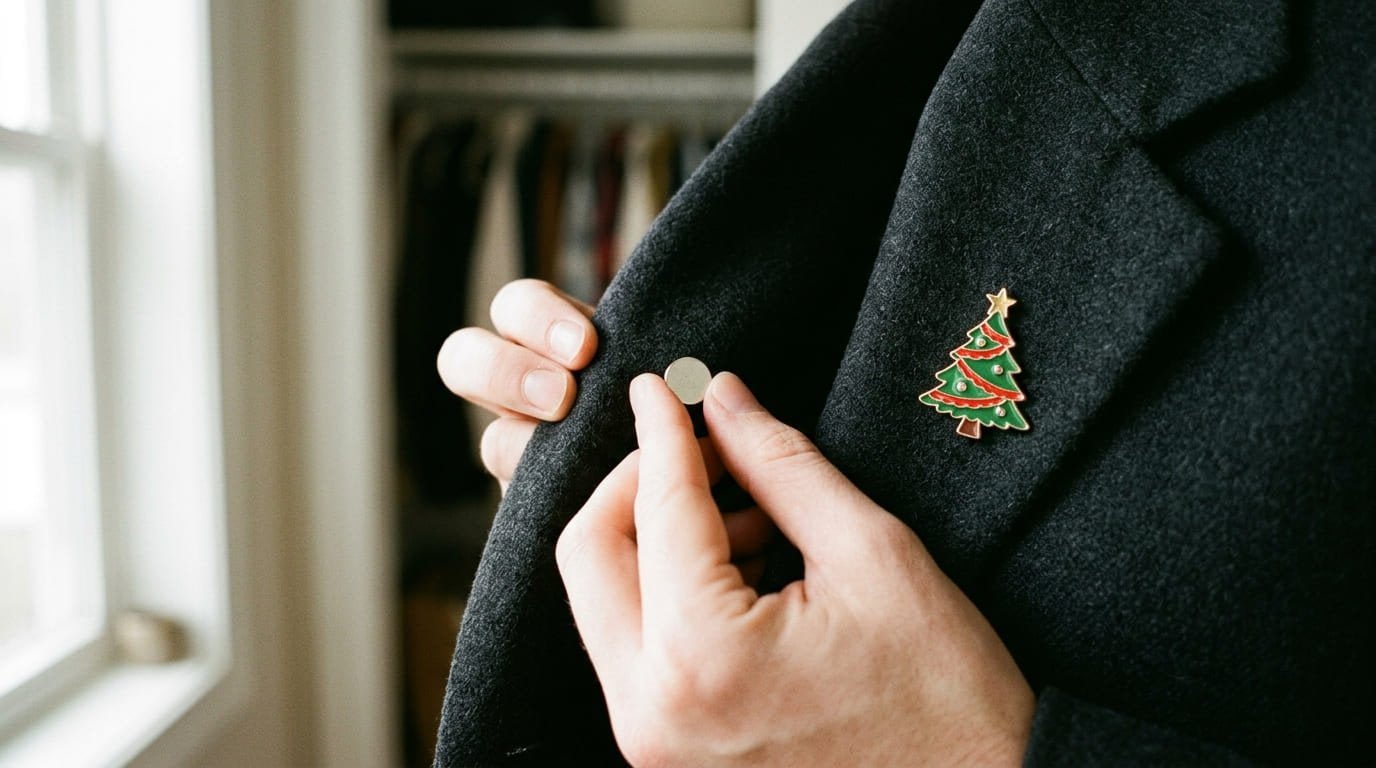
Choosing the best pin backing can feel overwhelming, especially when faced with options like butterfly clutches, rubber clutches, or magnetic backings. Each has its unique advantages and drawbacks, but the decision ultimately depends on your pin's purpose, design, and user needs. Let's break it down so you can make the right choice for your project.
Butterfly clutches, rubber clutches, and magnetic backings all serve different purposes, and selecting the right one depends on factors such as ease of use, pin weight, garment type, and cost. Butterfly clutches offer secure fastening1, rubber clutches support lighter pins, and magnetic backings are ideal for sensitive fabrics.
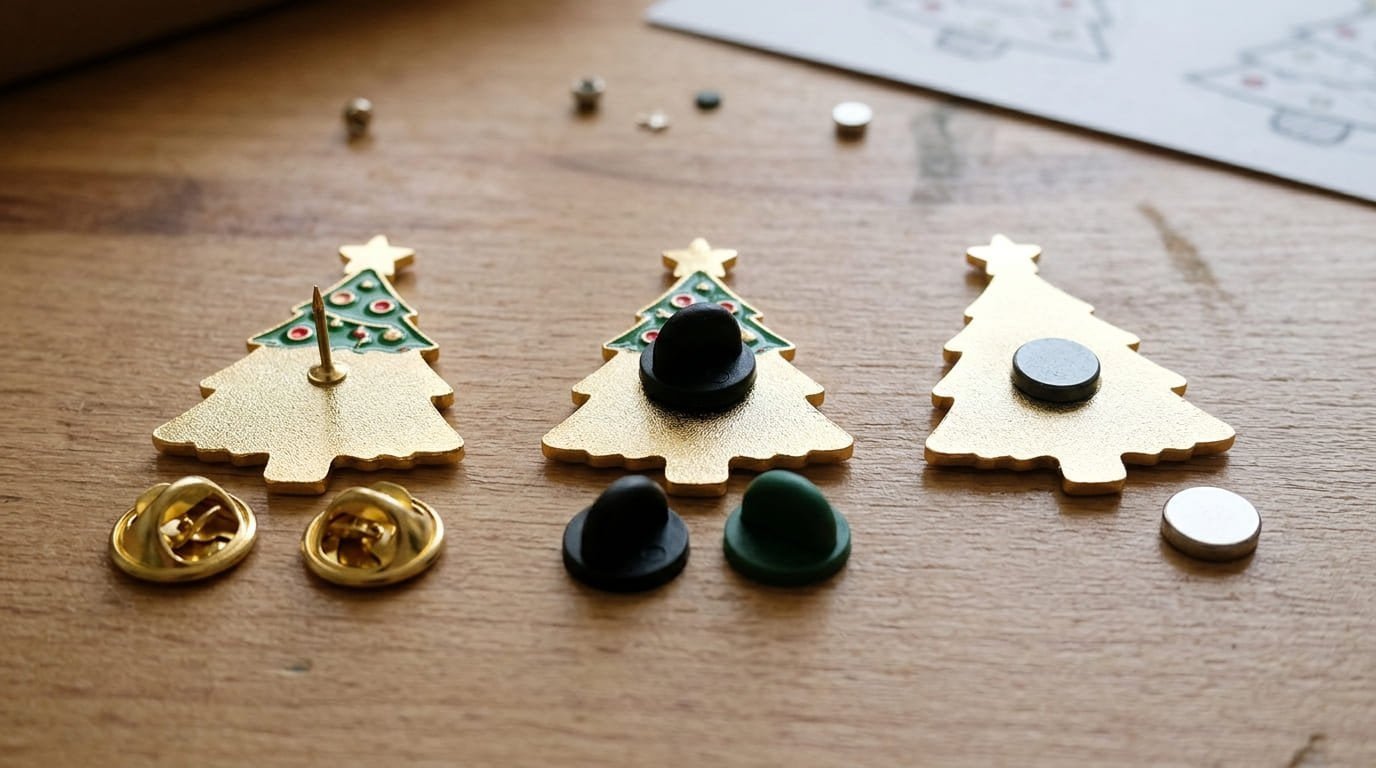
While these backings may seem interchangeable, understanding their distinct features can help ensure the ideal match for both your design and your customers’ expectations. Let’s dive deeper into each type to explore their practical differences.
What are butterfly clutches best used for?
Butterfly clutches are one of the most common and recognizable pin backings. They’re used heavily in everything from collectible enamel pins to corporate badges. But are they right for your project?
Butterfly clutches are ideal for pins requiring secure fastening on thicker materials, like denim or jackets, while offering easy removal. Their sturdy design makes them suitable for heavier pins or busy environments where pins may face strain.
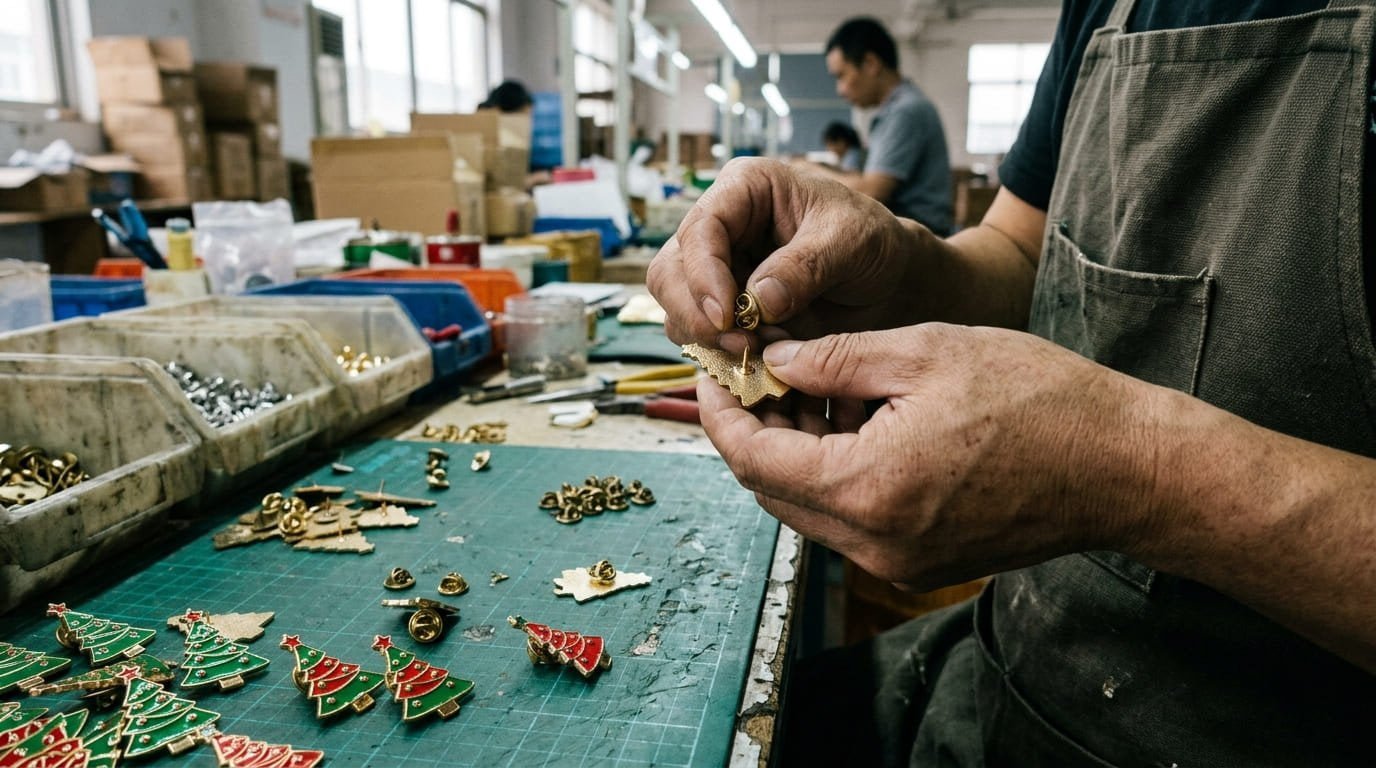
Why butterfly clutches work well for robust designs
Butterfly clutches consist of two metal prongs that secure tightly to the pin post. When pushed together, the clutch locks onto the pin post, providing a reliable hold. This mechanism makes the backing great for pins intended for long-term wear or scenarios where accidental detachment could be frustrating or costly.
Key advantages include:
- Strong Grip: Butterfly clutches are dependable2, making them ideal for heavy pins or designs vulnerable to movement.
- Durability: Made of metal, they can withstand frequent use without wearing out easily.
- Cost-efficiency: Despite their reliability, butterfly clutches are often among the most affordable options for enamel pins.
Common drawbacks:
- Not fabric-friendly: Butterfly clutches can damage delicate materials due to their metal prongs pressing onto fabric.
- Manual dexterity required: Some users may struggle with attaching or detaching butterfly clutches, particularly if the pins are small.
Real-world examples: I’ve worked with clients who use butterfly clutches for uniform pins, where durability and consistent wear were essential. However, one designer opted against butterfly clutches for boutique pins meant for silk scarves, recognizing that the metal grip was overly abrasive for their intended materials.
Are rubber clutches a good alternative?
Rubber clutches have gained popularity for their lightweight flexibility and improved material-friendliness compared to traditional metal backings. But when does this option shine?
Rubber clutches are best for pins with lighter designs or those meant for delicate fabrics, offering users gentler handling and affordability. However, they are less effective for heavier or high-motion designs.
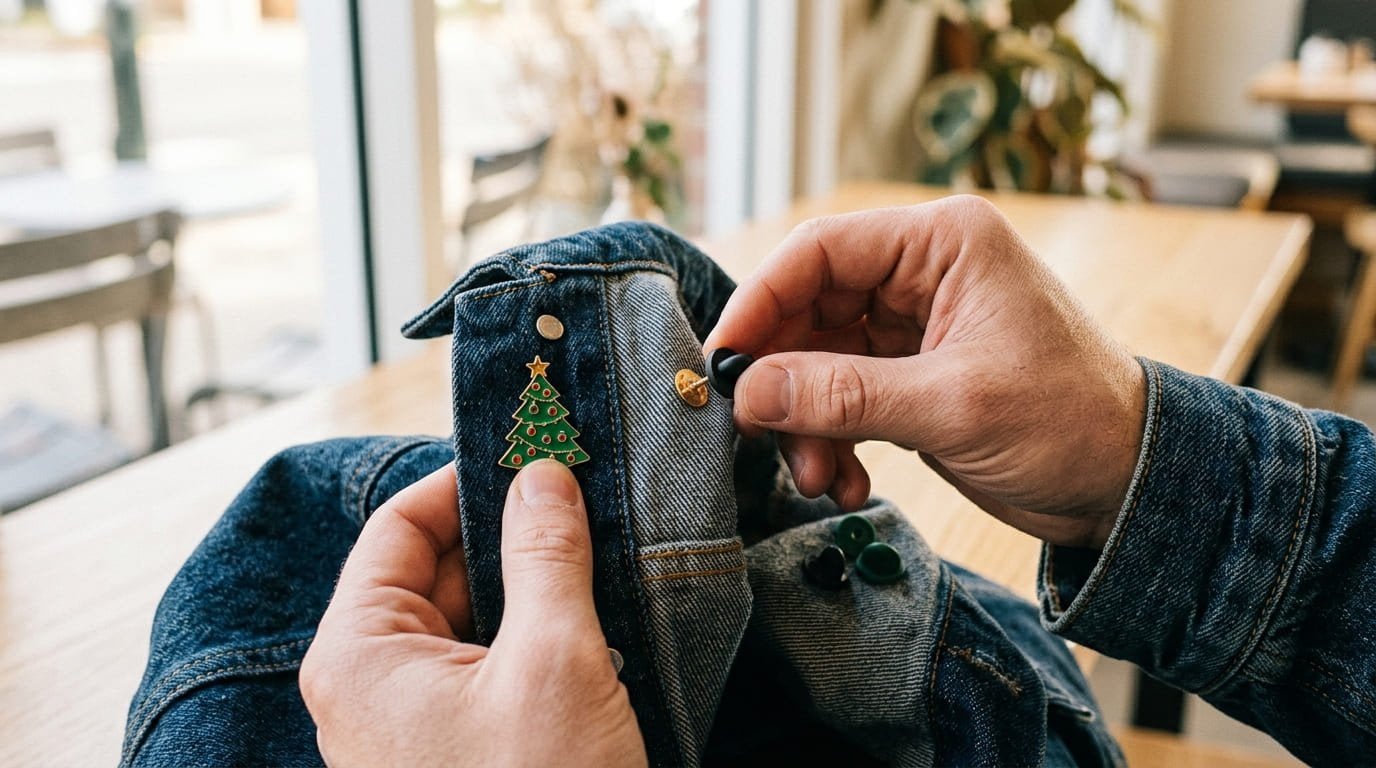
The benefits and trade-offs of rubber clutches
Rubber clutches hug the pin post snugly with pressure-driven fastening rather than locking mechanisms. Their soft material prevents unnecessary friction or tearing on fabrics. However, in situations requiring ultra-secure hold (e.g., activewear or outdoor apparel), they might not be sufficient.
Key advantages include:
- Gentle on fabrics: Rubber clutches work well with light, delicate materials3 like T-shirts.
- Ease of use: Unlike butterfly clutches, rubber clutches slide on and off quickly without requiring fiddly adjustments.
- Affordable for bulk orders: These are low-cost solutions, making them popular with pin designers needing economical backing options.
Limitations:
- Not ideal for heavy pins: The rubber grip can lose its firmness under strain.
- Potential for wear: Rubber clutches degrade faster than metal4 over extended use.
Real-world examples: I’ve recommended rubber clutches for pins designed for children’s clothing, specifically because they provide easier attachment and removal. However, one customer producing oversized lapel pins found that rubber clutches couldn’t handle the extra weight, leading them to switch back to butterfly clutches.
Why choose magnetic backings?
Magnetic backings offer convenience and fabric-friendly application, catering especially to niche markets or high-end designs. But do their benefits justify the higher cost?
Magnetic backings are perfect for pins intended for sensitive garments or frequent attachment and removal, minimizing fabric damage. Their premium qualities make them practical for upscale or specialty pins.
When magnetic backings are the superior choice
Magnetic backings use a two-piece mechanism where one magnet attaches to the pin post, and the other magnet fastens behind the garment. Unlike butterfly clutches or rubber backings, magnetic backings skip puncturing fabric completely, making them the least invasive option.
Key advantages include:
- Fabric preservation: Magnetic backings prevent holes or damage5, making them ideal for high-end garments such as silk blouses.
- Ease of use: Users can attach pins effortlessly, avoiding struggles with clasps or grips.
- Reusability: Pins can be removed and reapplied without degrading fabric, perfect for designs featuring frequent swapping.
Drawbacks:
- Higher cost: Magnetic backings are considerably more expensive6 than other types, increasing production costs.
- Reduced security: Magnets can slip off garments during movement7, making them less ideal for active environments.
Real-world examples: One of my customers created promotional pins for a special high-fashion campaign and opted for magnetic backings to protect delicate textiles. However, they excluded magnetic backings for a later project targeting sports merchandise, prioritizing secure fastening over material preservation.
How to decide between butterfly clutches, rubber clutches, and magnetic backings?
The right pin backing depends on understanding your design’s material, intended use, and target customer preferences. Here’s a handy table for comparison:
| Backing Type | Best For | Advantages | Drawbacks | Cost |
|---|---|---|---|---|
| Butterfly Clutches | Heavy or secure pins | Strong grip, durable | Tough on fabrics, needs dexterity | Budget-friendly |
| Rubber Clutches | Lightweight or delicate pins | Fabric-friendly, easy to use | Short lifespan, less secure | Affordable |
| Magnetic Backings | Upscale or reusable designs | No fabric damage, premium look | Expensive, less secure | Higher end |
When in doubt, consider running small tests with sample pins to verify backing performance in real-world conditions. Your supplier can also offer recommendations based on previous projects.
Frequently Asked Questions
Which pin backing is most durable?
Butterfly clutches are typically the most durable8, thanks to their metal construction and secure fastening mechanism. They’re ideal for heavy-duty applications and long-term wear.
Are magnetic backings worth the cost?
Magnetic backings are worth the investment for pins meant to protect delicate fabrics or provide convenient reapplication. However, they are not ideal for pins requiring ultra-secure fastening.
Can rubber clutches support heavy pins?
Rubber clutches are better suited for lighter pins. Heavier designs can slip out over time due to the grip limitations of rubber material.
How do I test the best backing for my pin?
Request samples from your manufacturer for each backing type and test them against your pin’s weight, garment type, and intended usage. Consider customer feedback if available.
Can I mix backing types in one order?
Yes, many manufacturers, including HiPinny, accommodate mixed backing types in a single order. This lets you customize solutions based on varying customer needs or pin designs.
Conclusion
Selecting the right pin backing—whether butterfly clutches, rubber clutches, or magnetic backings—requires evaluating your pin’s weight, intended use, and budget. Each backing type offers distinct advantages for specific applications. Butterfly clutches work well for secure fastening, rubber clutches excel at affordability for lightweight pins, and magnetic backings protect sensitive fabrics while allowing frequent reuse. Contact us if you need guidance or samples to help you decide!
"Butterfly clutch", https://en.wikipedia.org/wiki/Butterfly_clutch. Studies or expert reviews on pin backings confirm that butterfly clutches are designed for secure fastening, particularly on thicker materials like denim or jackets. Evidence role: general_support; source type: research. Supports: Butterfly clutches are suitable for thicker materials and provide secure fastening.. Scope note: The source may not address all possible use cases or materials. ↩
"Butterfly clutch", https://en.wikipedia.org/wiki/Butterfly_clutch. Research or expert analysis confirms that butterfly clutches are designed to provide a secure hold for heavier pins and in high-movement scenarios. Evidence role: general_support; source type: research. Supports: Butterfly clutches are reliable for heavy pins and movement-prone designs.. Scope note: The source may not cover all types of heavy pins or movement conditions. ↩
"Pin Backing for Jewelry and Craft Pins", https://www.walmart.com/c/kp/pin-backing. Studies or expert reviews indicate that rubber clutches are effective for use with lightweight and delicate fabrics like T-shirts. Evidence role: general_support; source type: research. Supports: Rubber clutches are suitable for light, delicate materials.. Scope note: The source may not address all types of delicate materials. ↩
"Rubber vs Metal vs Locking Backs : r/EnamelPins", https://www.reddit.com/r/EnamelPins/comments/1itfxg5/rubber_vs_metal_vs_locking_backs/. Studies or expert reviews on pin backings indicate that rubber materials tend to wear out faster than metal under prolonged use. Evidence role: general_support; source type: research. Supports: Rubber clutches degrade faster than metal over time.. Scope note: The source may not specify the exact conditions under which degradation occurs. ↩
"rare attraction: evaluating magnetic primers for mounting ...", https://carlos.emory.edu/sites/default/files/2022-02/RARE%20ATTRACTION%20EVALUATING%20MAGNETIC%20PRIMERS%20FOR%20MOUNTING%20TEXTILES%20ON%20RIGID%20BACKBOARDS%20WITH%20RARE%20EARTH%20MAGNETS.pdf. Expert reviews or studies confirm that magnetic backings are effective in preserving delicate fabrics like silk by avoiding punctures. Evidence role: general_support; source type: research. Supports: Magnetic backings prevent fabric damage and are suitable for high-end garments.. Scope note: The source may not address all high-end garment types. ↩
"Comparative Life Cycle Assessment and Life Cycle Cost ...", https://www.mdpi.com/2071-1050/16/19/8599. Cost analyses or industry reports confirm that magnetic backings are generally more expensive than rubber or butterfly clutches. Evidence role: statistic; source type: research. Supports: Magnetic backings are more expensive than other pin backing types.. Scope note: The source may not provide exact cost figures for all manufacturers. ↩
"Advancements in functional smart and wearable textiles for ...", https://pmc.ncbi.nlm.nih.gov/articles/PMC12716241/. Research or expert reviews highlight that magnetic backings may not provide a secure hold in high-motion scenarios. Evidence role: general_support; source type: research. Supports: Magnetic backings can slip off garments during movement.. Scope note: The source may not quantify the frequency or conditions of slippage. ↩
"Butterfly clutch", https://en.wikipedia.org/wiki/Butterfly_clutch. Research or expert analysis supports the claim that butterfly clutches, due to their metal construction, are among the most durable pin backings. Evidence role: general_support; source type: research. Supports: Butterfly clutches are the most durable pin backing option.. Scope note: The source may not compare all possible pin backing types. ↩