
HiPinny Journal
Die Struck Pins vs. Enamel Pins: Which Should You Choose?
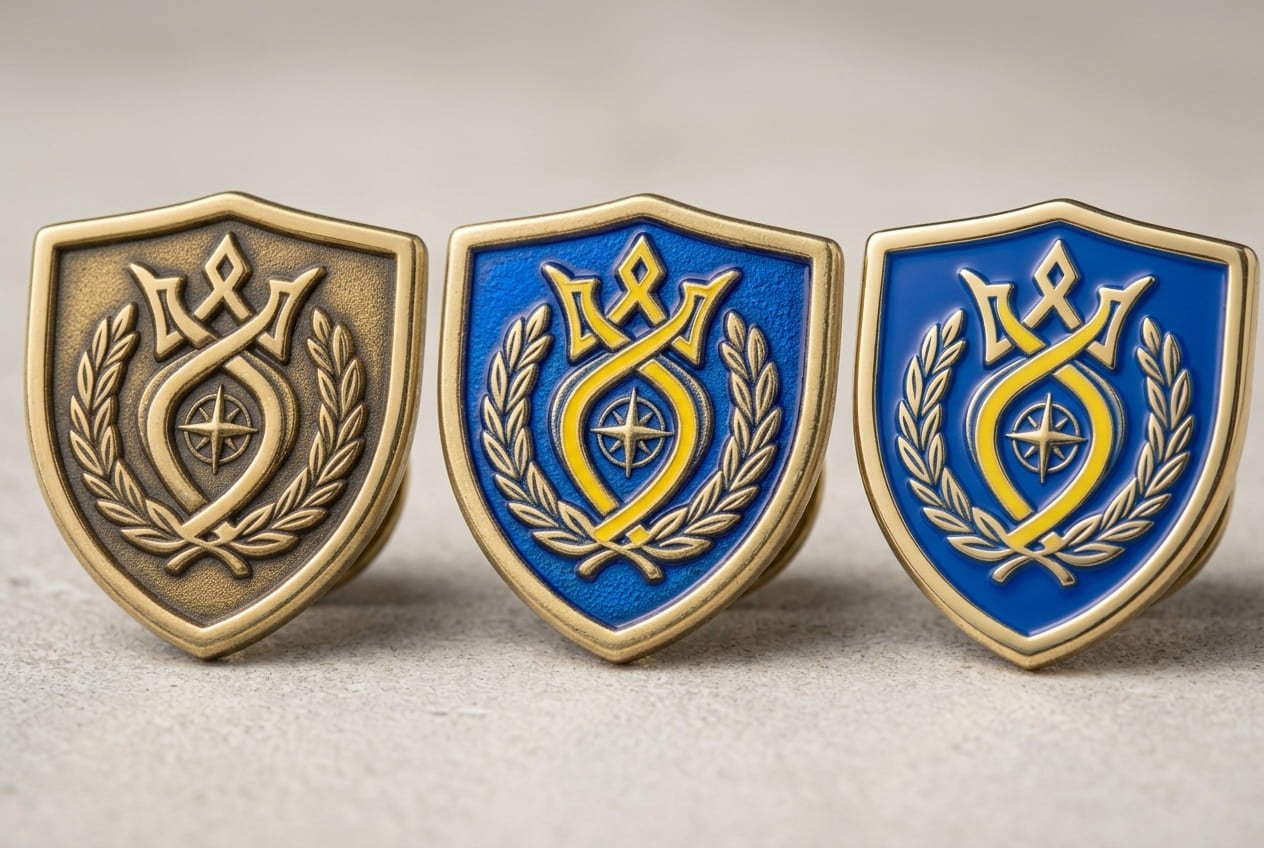
Choosing between die struck pins and enamel pins can feel overwhelming, especially if you're unfamiliar with the key differences that make one type more suitable than the other for your project. Whether you prioritize visual effects, durability, or cost, understanding these pins' unique characteristics is crucial to making the right decision—and avoiding costly mistakes.
Die struck pins are crafted with metallic finishes and classic designs, while enamel pins feature vibrant colors and intricate detailing suited for artistic or branded projects. The right choice depends on your project's goals, budget, and desired aesthetic.
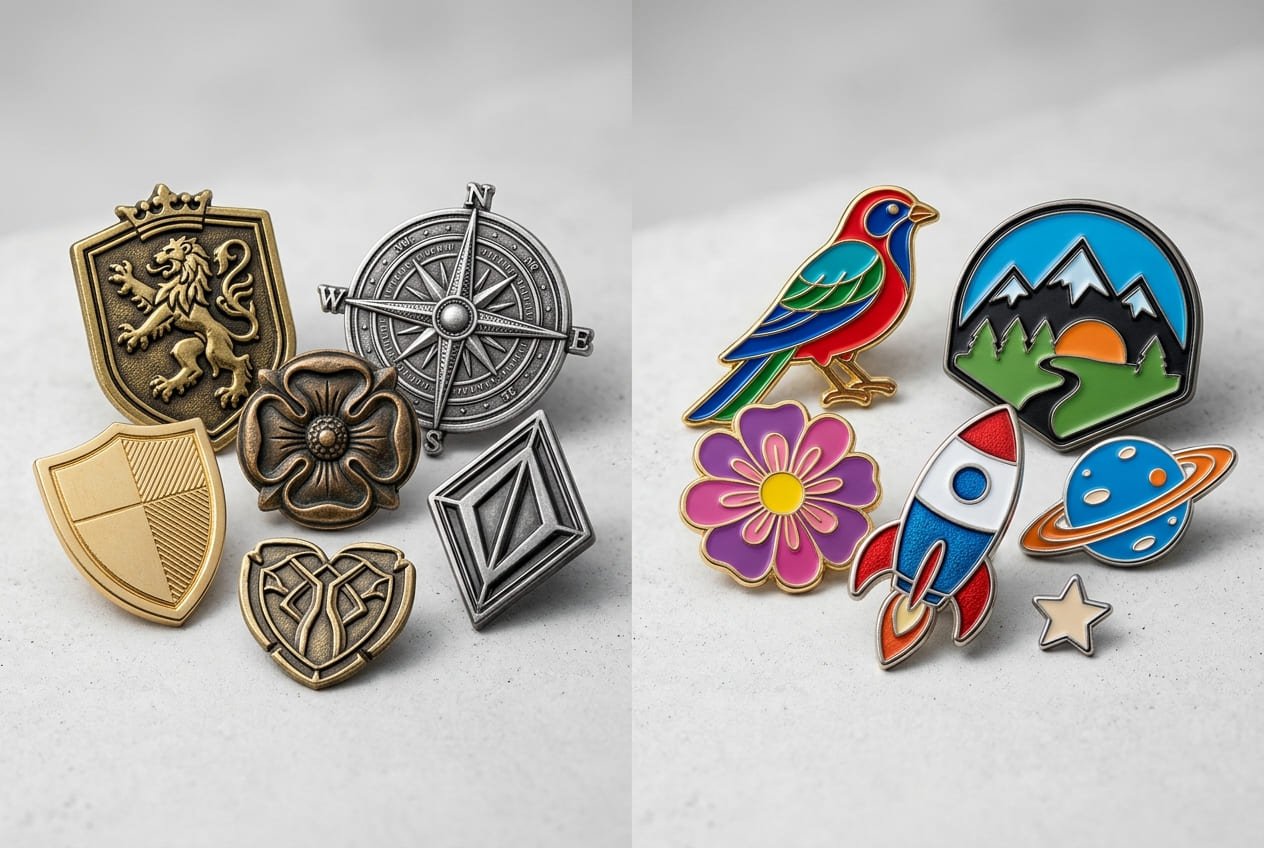
We’ll break down the pros and cons of each type, explain common misconceptions, and guide you on how to align your pin choice with specific objectives.
What are die struck pins?
Die struck pins are a classic choice for projects needing understated elegance and durable designs.
Die struck pins are made by stamping a design into metal without adding color, resulting in a sleek metallic appearance. They're ideal for showcasing logos, badges, or commemorative items with timeless appeal.
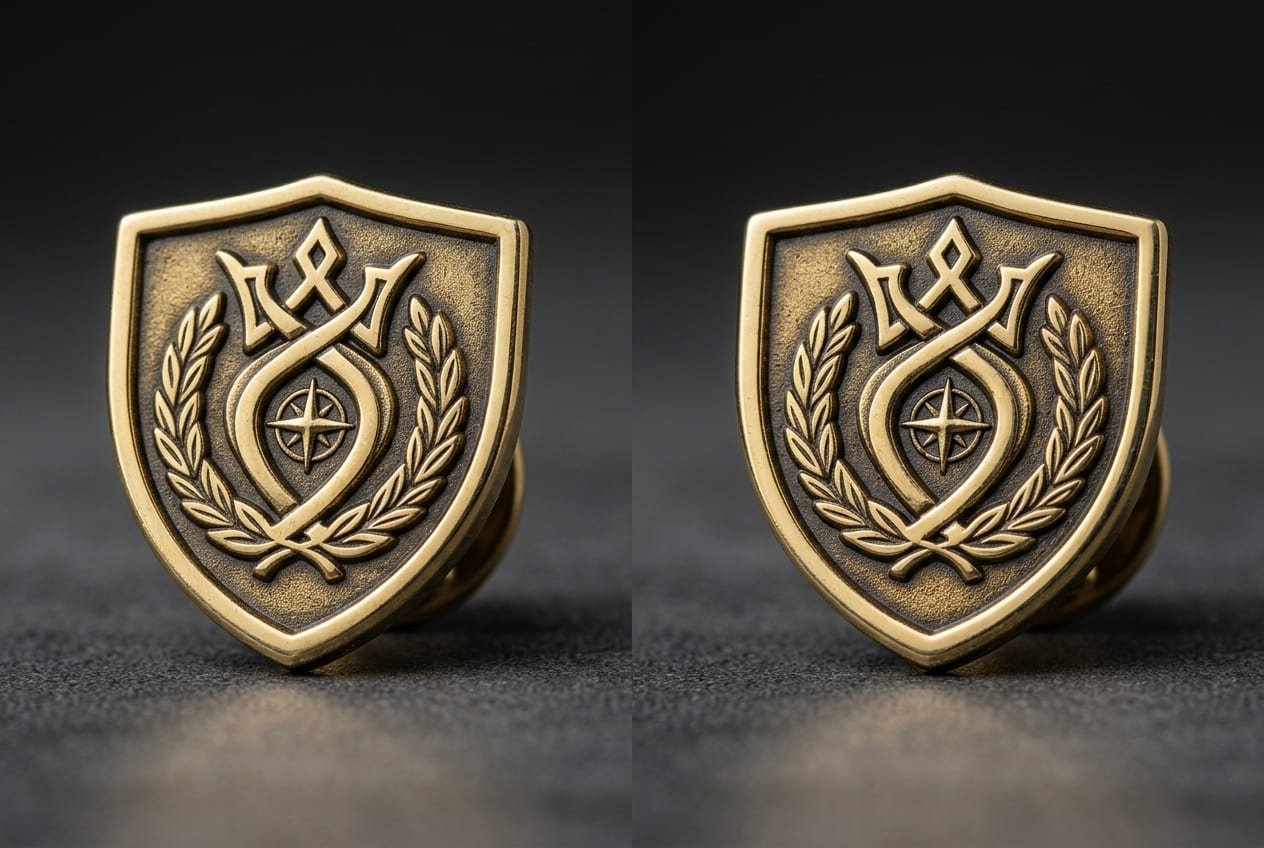
Dive deeper into die struck pins
Die struck pins are created using traditional stamping techniques. A custom die presses the design into metal, creating recessed and raised areas that can be polished or textured. While highly durable, die struck pins limit customization to metal finishes like gold, silver, or antique variations.
Die struck pins excel in these scenarios:
- Corporate awards and recognition: Their metallic elegance makes them ideal for formal occasions.
- Heritage-inspired designs: Antique effects enhance designs with historical or vintage themes.
- Durability-focused applications: Without added paint or enamel, these pins resist wear-and-tear longer.
One frequent misunderstanding is that die struck pins are inherently cheaper than enamel pins. While the production process avoids enamel application, the crafting of intricate dies and premium finishes can lead to similar or higher costs. If you're working on a tight budget, it’s essential to factor in these nuances during supplier discussions.
However, die struck pins fall short in delivering vibrant or multi-color visuals. If your design depends on eye-catching hues or intricate gradients, enamel pins might be the better fit.
What are enamel pins?
Enamel pins are vibrant, highly customizable, and versatile, making them the go-to choice for designs that need color and creative flair.
Enamel pins are created by filling recessed areas with enamel paint, sometimes layered with additional polishing1. They come in two forms: soft enamel and hard enamel, offering distinctly different visual and tactile characteristics.
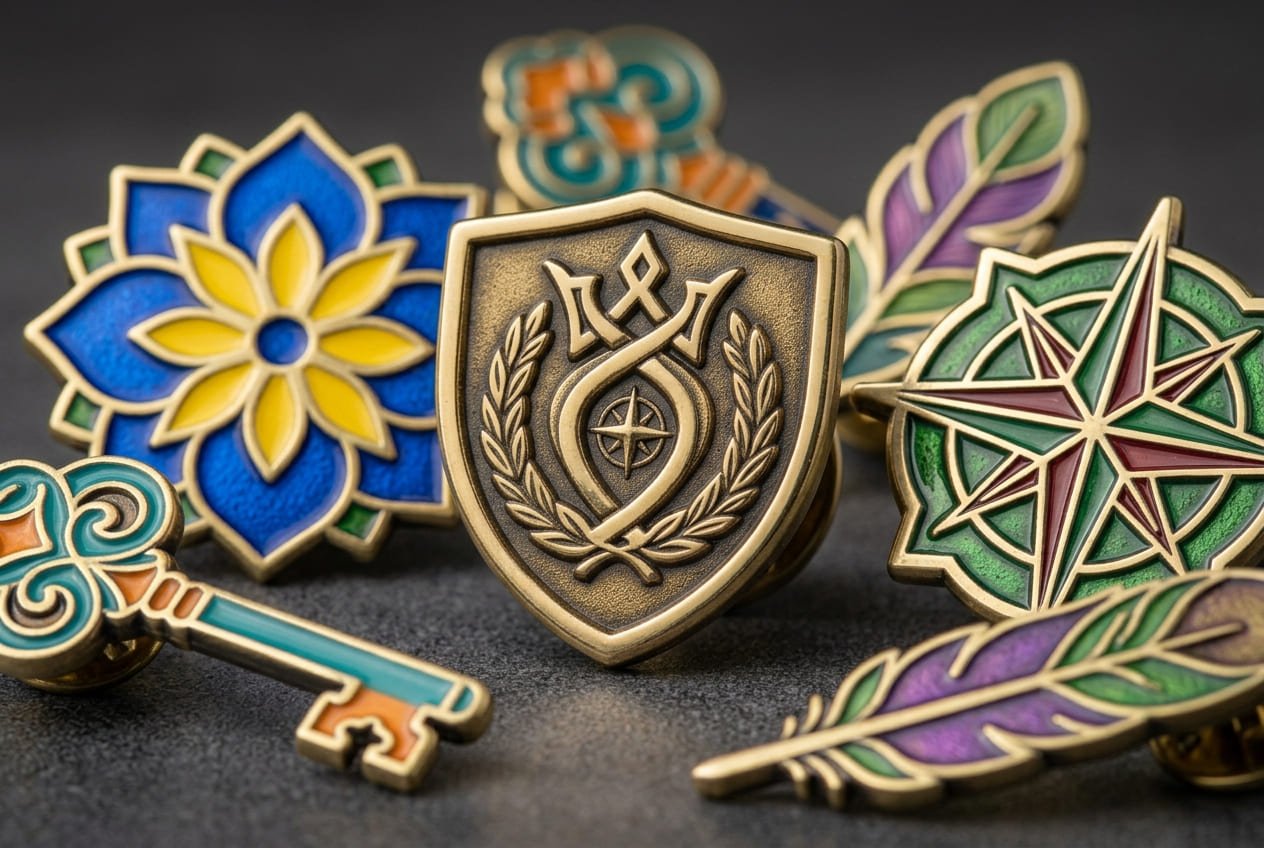
Dive deeper into enamel pins
The versatility of enamel pins lies in their ability to deliver striking, colorful designs while adapting to unique shapes, backing options, and finishes. Pin designers, creators, and businesses often gravitate toward enamel pins because they allow artistic expression, branding, and storytelling through vivid colors.
- Soft enamel pins: These have a textured surface where the metal outlines sit above recessed colored areas. Soft enamel is perfect when designs benefit from tactile contrast or a dimensional feel.
- Hard enamel pins: These feature a polished surface, where the enamel and metal are even, creating a smooth, durable finish. Hard enamel pins are better suited for minimalistic designs or enduring high-quality wear.
Both types work well in these situations:
- Merchandise for creators or brands: Their striking colors grab attention and align with trendy, artistic aesthetics.
- Event giveaways: Enamel pins provide room for creative promotional designs, easily adapted for visually appealing logos or mascots.
- Small business products: Ideal for pin entrepreneurs targeting audiences who value unique, vibrant flair vs. subtle metallic tones.
While enamel pins are often misunderstood as being fragile, high-quality craftsmanship ensures hard enamel pins, in particular, can resist scratches and maintain their appearance through extended use2. However, soft enamel pins may have slightly uneven surfaces more prone to wear.
Budget-wise, enamel pins may seem more expensive due to their labor-intensive coloring process, but modern manufacturing efficiencies can make them surprisingly affordable—even for smaller orders3.
Which should you choose?
Making the right choice between die struck pins and enamel pins depends on aligning key features with your project goals.
When to choose die struck pins:
Opt for die struck pins if you want sophisticated, metallic designs that subtly command attention. These pins shine in formal contexts like membership badges, commemorative events, or vintage-themed projects. They also deliver unmatched durability.
When to choose enamel pins:
Enamel pins are ideal for adding vibrancy, artistic detailing, or creativity to your designs. Whether you're designing trendy merchandise or promotional giveaways, enamel pins allow full flexibility in shape, color schemes, and branding. Soft or hard enamel customization broadens their uses even further.
Side-by-side comparison of die struck pins vs. enamel pins
| Feature | Die Struck Pins | Soft Enamel Pins | Hard Enamel Pins |
|---|---|---|---|
| Visual style | Metallic, classic | Textured, vibrant | Smooth, high-quality colors |
| Durability | High | Moderate | High |
| Customization | Limited to finishes | Flexible shapes & colors | Limited shapes, polished finish |
| Best for | Corporate, heritage, vintage | Artistic, promotional designs | Small business, trendy merchandise |
Frequently Asked Questions
Are die struck pins more durable than enamel pins?
Yes, die struck pins are typically more durable because they use solid metal without painted or enamel additions that may chip over time. Hard enamel pins, however, also offer considerable durability thanks to their polished, sealed surfaces.
Is soft enamel or hard enamel better?
It depends on your design goals. Soft enamel works well for textured effects and dimensional feel, while hard enamel creates polished, smooth designs more resistant to wear and scratches.
What is the price difference between die struck and enamel pins?
Prices vary by design complexity, finishes, and order quantities. Die struck pins can sometimes cost as much as enamel pins due to intricate stamping and premium metal effects. Enamel pins, on the other hand, may seem higher upfront but can be efficient for colorful, creative designs when ordered at scale.
Can enamel pins match a monochrome, elegant aesthetic?
Yes. While enamel pins are known for bold colors, hard enamel pins can be customized with single-color designs and polished finishes to achieve elegant simplicity.
How do I ensure quality when ordering pins?
Choose a reliable supplier, verify artwork details before production, and request physical samples if possible. Look for a manufacturer with strong quality control procedures and a proven track record of delivering consistent designs.
Conclusion
Choosing between die struck pins and enamel pins isn’t about selecting the "best" option—it’s about matching the pin type to your project’s aesthetic needs, audience appeal, and practical goals. Die struck pins work well for timeless metallic designs, while enamel pins offer color-packed versatility for creative projects. Consider the visual effects, durability, and cost implications carefully to make a confident decision.
If you’re ready to discuss your needs or explore custom pin options further, feel free to reach out to us at HiPinny—we’re here to bring your vision to life.
"How to make my own enamel pins without manufacturer", https://www.reddit.com/r/EnamelPins/comments/15lihoz/how_to_make_my_own_enamel_pins_without/. Enamel pins are made by filling recessed areas with enamel paint, followed by polishing to achieve a smooth or textured finish, as explained in educational resources on pin manufacturing. Evidence role: mechanism; source type: education. Supports: Describes the process of creating enamel pins using enamel paint and polishing techniques.. ↩
"Damaged pin help - plating scratches, deep", https://www.reddit.com/r/EnamelPins/comments/1dnpdcj/damaged_pin_help_plating_scratches_deep/. Hard enamel pins are crafted with polished surfaces that resist scratches and maintain their appearance over time, as agreed upon by experts in pin manufacturing. Evidence role: expert_consensus; source type: research. Supports: Confirms the durability and scratch resistance of hard enamel pins.. Scope note: Durability may depend on the specific materials and manufacturing process used. ↩
"What's the price for an enamel pin you consider a steal? ...", https://www.reddit.com/r/EnamelPins/comments/1pyalka/whats_the_price_for_an_enamel_pin_you_consider_a/. Advances in manufacturing techniques have reduced the cost of enamel pins, making them affordable even for small orders, as noted in industry cost analysis reports. Evidence role: statistic; source type: research. Supports: Explains how manufacturing efficiencies impact the cost of enamel pins.. Scope note: Affordability may vary based on order size and customization requirements. ↩