
HiPinny Journal
Gold, Silver, or Black Nickel: Which Plating Should You Choose?
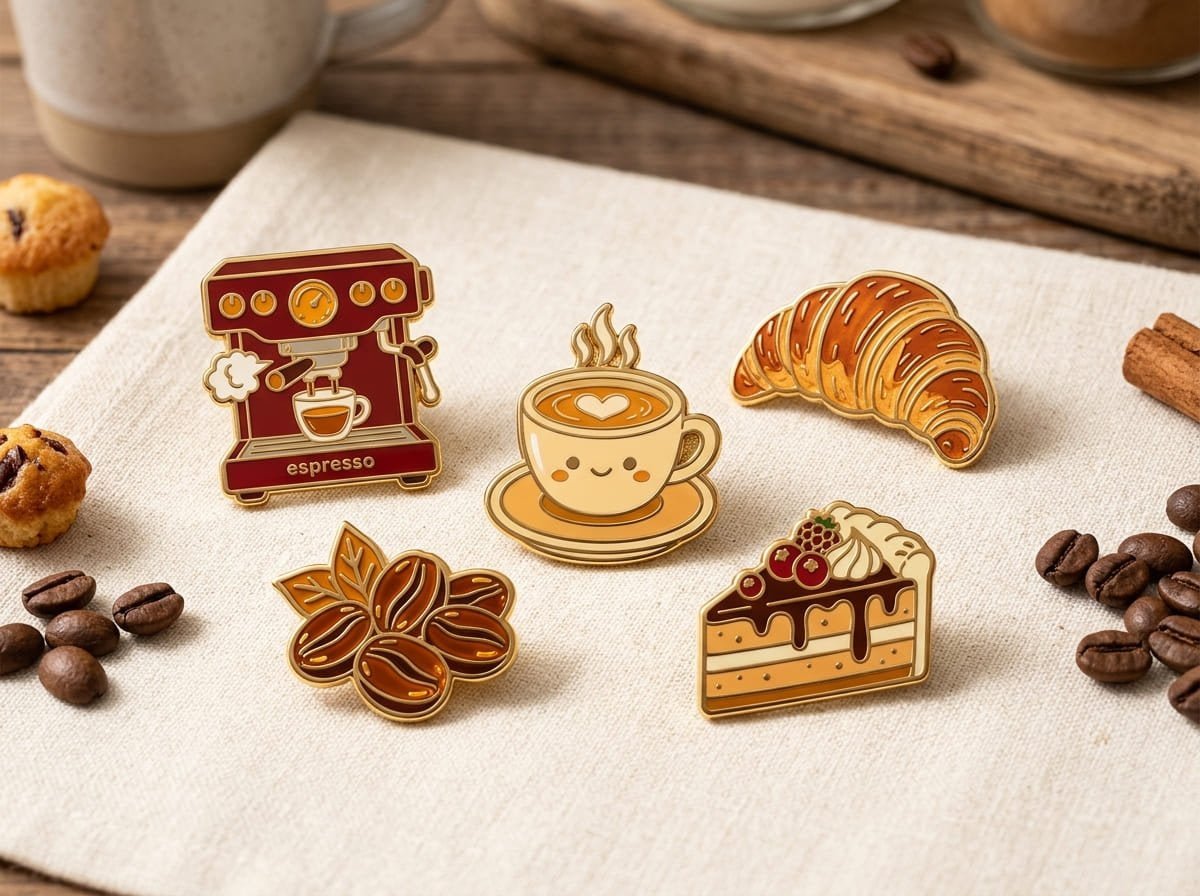
Choosing the right plating for your enamel pins can feel overwhelming—gold, silver, and black nickel each offer unique aesthetics and practical benefits, but the wrong choice could compromise your product’s final appeal or durability. Balancing cost, visual impact, and intended use is key to making a decision you’ll be happy with.
Gold, silver, and black nickel platings differ in appearance, cost, and durability, so the best choice depends on your pin's design goals and target audience. Gold offers premium appeal, silver brings versatility, and black nickel delivers modern sophistication, but each comes with specific trade-offs to consider.
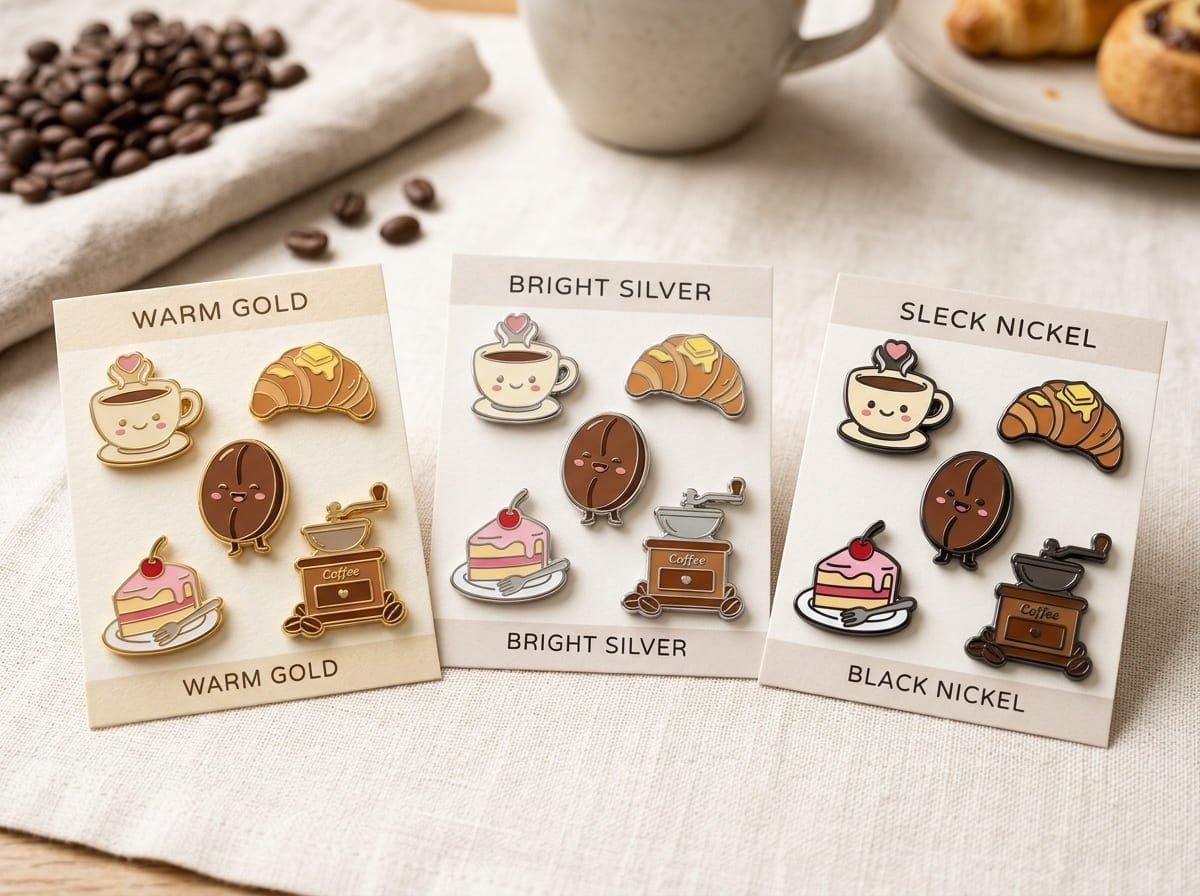
The right plating choice hinges on understanding its aesthetic effect, functional value, and alignment with your budget. Below, I’ll break down the pros and cons of gold, silver, and black nickel plating, offer real-world examples, and provide practical advice to guide your decision.
What makes gold plating a popular choice?
Gold plating is renowned for its luxurious appeal, but it can introduce dilemmas around cost.
Gold plating instantly elevates the perceived value of your enamel pins1, making it ideal for products aimed at collectors or premium buyers. It’s versatile for designs requiring warm tones but tends to cost more than alternatives.
Why choose gold plating? Breaking it down:
Gold plating lends an unmistakable element of elegance to pins. Think about its visual impact—it adds richness and prestige to designs. For collectors, charity events, or high-end merchandise, gold enhances perceived value, making pins look like keepsakes rather than simple accessories. Pairing gold plating with bold or warm tones, such as red or orange, can create stunning combinations.
Pros of gold plating:
- Premium aesthetic: Ideal for products targeting upscale clientele.
- Warm tone compatibility: Enhances designs with rich or intense colors.
- Longevity: Offers good resistance to corrosion, though surface wear may show over time.
Cons to consider:
- Cost: Typically higher than silver or black nickel plating.
- Specific visual appeal: May not suit all designs, particularly modern or minimalist ones.
Many of my clients have gravitated toward gold plating for wedding favors or exclusive event merchandise because of how well it aligns with high-value themes. However, I’ve also seen cases where the gold wasn’t necessary—other plating types worked better for understated or casual designs.
When does silver plating make sense?
Silver plating strikes a balance between classic aesthetics and practicality2.
Silver plating is versatile, affordable, and works beautifully with cool tones, making it a go-to plating for a wide range of designs, from everyday wear to promotional products. It’s highly reflective and suits casual yet polished themes.
Why silver plating hits the sweet spot in versatility:
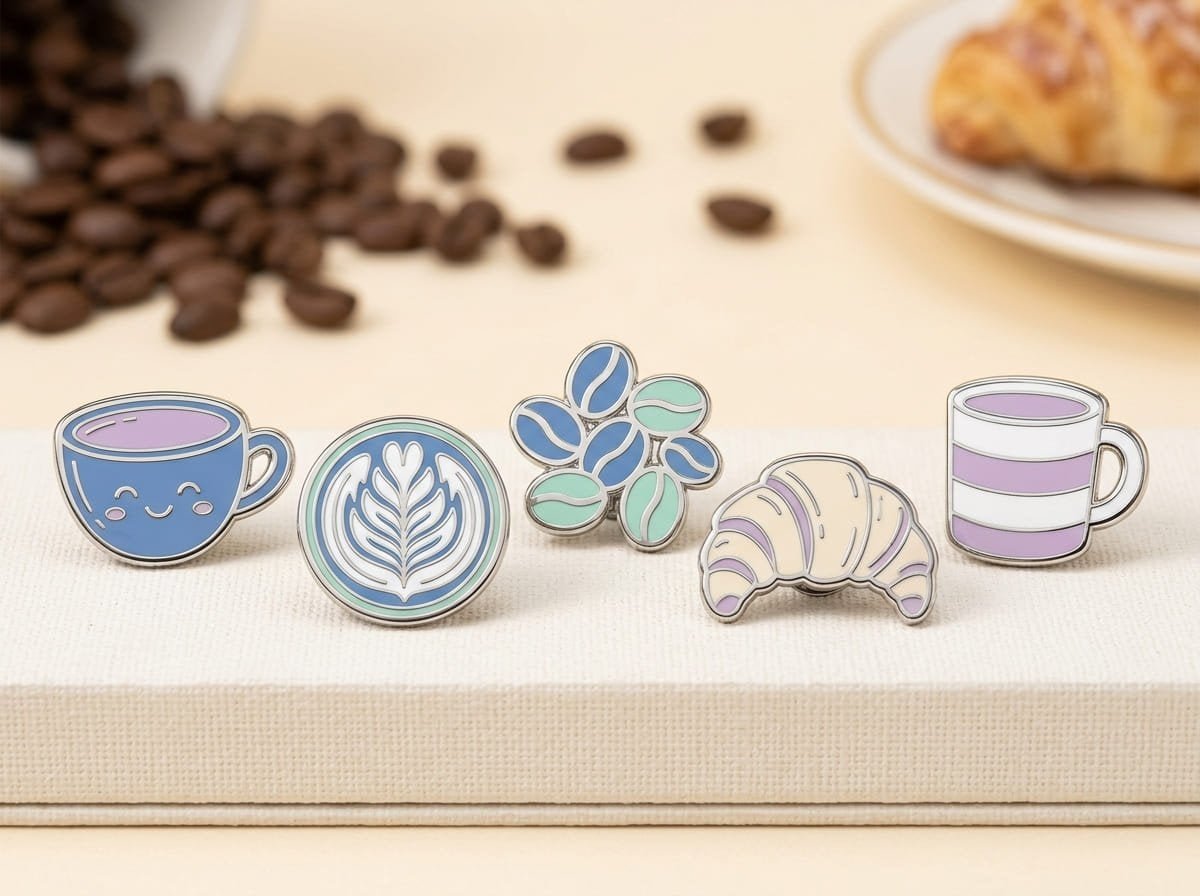
Silver’s reflective finish enhances intricate details without overshadowing the design’s color palette3. It pairs especially well with tones like blue, green, or purple, creating a sense of harmony and brightness. Designs requiring a polished but unassuming aesthetic often benefit from silver plating, like corporate giveaways or community event merchandise.
Pros of silver plating:
- Budget-friendly option: Silver plating is typically more affordable than gold4.
- Neutral aesthetics: Complements both casual and formal designs.
- Highly reflective: Highlights finer details and textures.
Potential downsides:
- Prone to tarnishing: Requires proper care to retain shine.
- Less impactful for high-end products: For premium products, silver may feel ordinary compared to gold.
Silver plating works well for pin designers targeting broad markets, including schools or local events. One customer chose silver plating for a school fundraiser pin featuring a cool-toned mascot, and it helped emphasize the design’s bright details without overwhelming the visual charm.
Is black nickel plating a better fit for modern designs?
Black nickel plating offers a distinct, contemporary aesthetic, but it’s not without its limitations.
Black nickel plating is sleek and edgy, perfect for bold designs or pins catering to modern tastes5. Though less reflective than gold or silver, its understated finish creates a striking effect, especially for minimalist or dark palettes.
Why black nickel complements edgy, modern aesthetics:
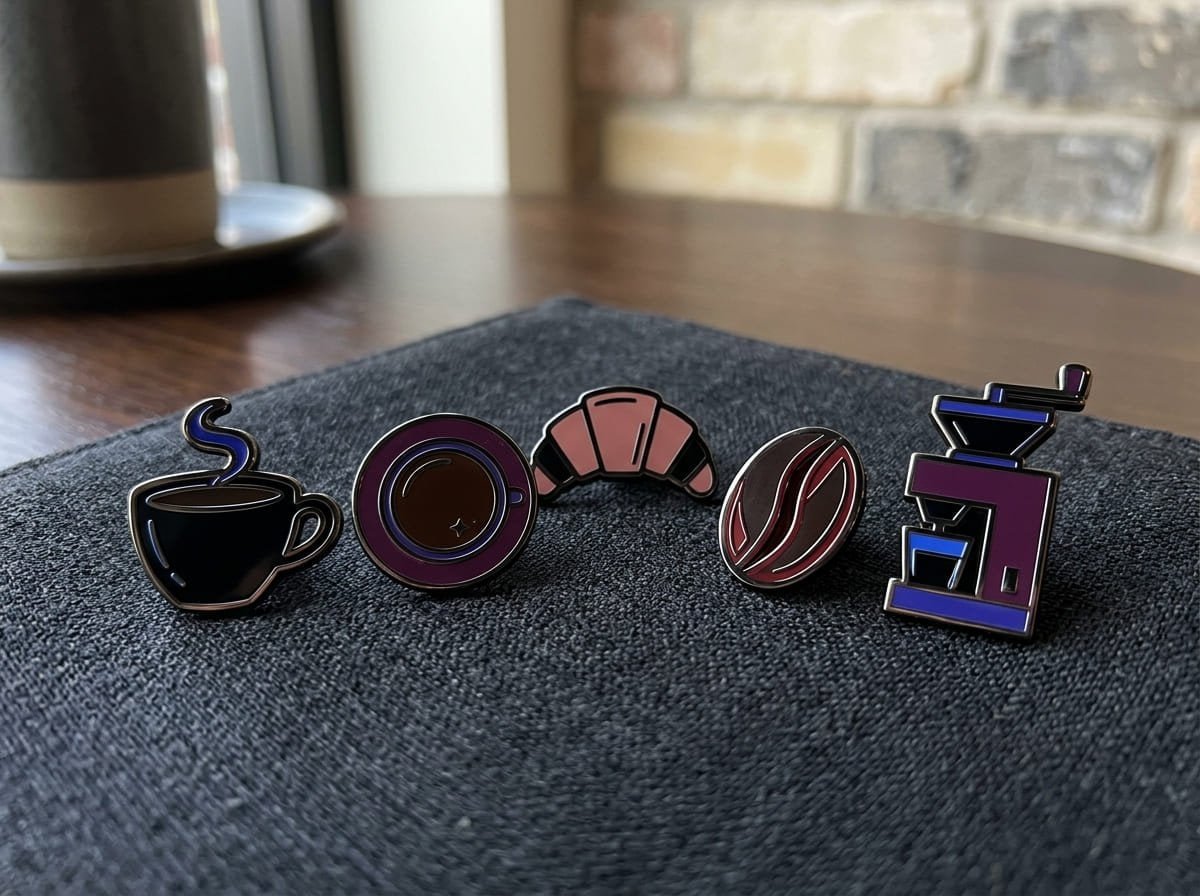
Black nickel plating stands out for how it contrasts lighter colors or soft pastels6, often acting as a frame to highlight design features. It’s ideal for pins aimed at young, fashionable audiences or themes involving streetwear, gaming, or niche collectibles. However, it’s less versatile for broadly appealing styles.
Benefits of black nickel:
- Unique aesthetic: Perfect for bold, minimal designs.
- Durability: Less prone to tarnish compared to silver.
- Affordable cost: Competitive pricing relative to gold plating.
Drawbacks worth noting:
- Restricted compatibility: May clash with softer tones or classic themes.
- Subdued reflection: Which may limit visual pop for detailed designs.
In one memorable case, a designer chose black nickel plating for pins inspired by gothic art. Initially, cost considerations drove the decision. However, after seeing how the darker finish complemented the fine details and bold contrasts of the artwork, they embraced it wholeheartedly for their long-term product line.
How should you match plating options with use cases?
Choosing the right plating starts with identifying what you need most: impactful visuals, durability, or cost efficiency.
Here’s a brief guide to match plating with real-world use cases:
| Plating Type | Best For | Not Ideal For |
|---|---|---|
| Gold plating | High-end collectibles, event merchandise | Casual or modern-themed designs |
| Silver plating | Everyday wear, promotional items | Premium, upscale designs |
| Black nickel | Bold, contemporary designs, niche markets | Light or classic-themed designs |
Understanding these contexts ensures your plating choice aligns with your audience and goals. Always consider how durability impacts your decision, like opting for gold or black nickel for pins intended as keepsakes.
Frequently Asked Questions
Which plating is most durable?
Gold and black nickel plating are generally more durable than silver. Gold resists corrosion over time, though scratches may develop7. Black nickel is less likely to tarnish or discolor8, making it ideal for pins requiring long-term wear.
Is black nickel plating budget-friendly?
Yes, black nickel plating is often priced competitively compared to gold. It’s a great option for designs where cost efficiency and modern aesthetics are priorities.
Can I mix platings on one enamel pin?
Mixing platings is possible but depends on the design complexity and manufacturing capabilities9. For example, combining gold outlines with silver interiors can create premium-looking pins with versatile appeal.
What if my budget is tight?
Silver plating is typically the most affordable option. It works well for broad audiences and promotional pins while still retaining a polished, attractive finish.
How do I decide between gold and black nickel for premium products?
Consider your audience’s design preferences—gold suits elegant, formal themes, while black nickel is better for bold, contemporary styles. Factor in the design’s color compatibility and whether the plating aligns with your branding.
Conclusion
Your enamel pin’s plating sets the tone for its design, durability, and market appeal. Gold plating is ideal for premium products, silver works for versatile yet affordable pieces, and black nickel captivates modern, edgy markets10. Prioritizing your audience and design goals ensures your plating choice maximizes your pin’s potential.
Ready to decide on the perfect plating for your pins? Contact us today to explore plating options tailored to your designs!
"[PDF] Baubles, Bangles, and Beads - Yale University Art Gallery", https://artgallery.yale.edu/sites/default/files/publication/pdfs/ag-doc-2147-0001-doc.pdf. Research on consumer behavior suggests that gold finishes are often associated with luxury and high value, which can elevate the perceived worth of products. However, this perception may vary across cultural contexts. Evidence role: general_support; source type: research. Supports: Gold plating enhances the perceived value of enamel pins.. Scope note: Cultural differences may influence the association between gold and luxury. ↩
"Orivelle Pin Style Guide: How To Elevate Your Wardrobe Elegance ...", https://faculty.tamucc.edu/dbogucki/old_site/funguspen/d0zQQrhqM9v.html. Educational resources on material science highlight silver's reflective properties and cost-effectiveness, making it a popular choice for decorative applications. Evidence role: general_support; source type: education. Supports: Silver plating combines aesthetic appeal with affordability.. Scope note: The affordability of silver plating may vary depending on market conditions and manufacturing processes. ↩
"[PDF] Measurement of Light Capture in Solar Cells from Silver- and Tin ...", https://dspace.mit.edu/server/api/core/bitstreams/ddf528c7-2b05-4756-8c69-8bc777fcaf62/content. Material science studies explain that silver's high reflectivity can accentuate fine details without distorting surrounding colors. Evidence role: mechanism; source type: education. Supports: Silver plating enhances intricate details and maintains color harmony.. Scope note: The effectiveness of silver plating may depend on the specific design and lighting conditions. ↩
"White Gold vs. Silver: What is the Difference? - GIA 4Cs", https://4cs.gia.edu/en-us/blog/white-gold-vs-silver/. Market analysis reports indicate that silver plating is generally less expensive than gold due to lower material costs and processing requirements. Evidence role: statistic; source type: education. Supports: Silver plating is more affordable than gold plating.. Scope note: Cost differences may vary based on regional market conditions and manufacturing techniques. ↩
"Optimization and improvement of Plastic Decoration using Chrome ...", https://www.academia.edu/35842277/Optimization_and_improvement_of_Plastic_Decoration_using_Chrome_Plating_process. Studies on material finishes indicate that black nickel's subdued reflection and dark tone make it a popular choice for contemporary and minimalist designs. Evidence role: general_support; source type: research. Supports: Black nickel plating is suitable for modern, bold designs.. Scope note: The preference for black nickel may depend on specific design contexts and audience demographics. ↩
"Polarized Light Microscopy | Nikon's MicroscopyU", https://micro.magnet.fsu.edu/primer/techniques/polarized/polarizedintro.html. Studies on color theory and material finishes indicate that dark tones like black nickel can enhance the visibility of lighter colors by providing a stark contrast. Evidence role: mechanism; source type: research. Supports: Black nickel plating contrasts effectively with lighter colors or pastels.. Scope note: The contrast effect may vary depending on the specific color palette and lighting. ↩
"Gold Plating Research Papers - Academia.edu", https://www.academia.edu/Documents/in/Gold_Plating. Material durability studies confirm that gold plating is resistant to corrosion due to its inert properties, though it is softer and more prone to scratches compared to other metals. Evidence role: mechanism; source type: research. Supports: Gold plating resists corrosion but can develop surface scratches.. Scope note: The degree of scratch resistance may depend on the thickness of the gold plating. ↩
"Best Ring Material for Everyday Wear | Ring Metal Types - GIA 4Cs", https://4cs.gia.edu/en-us/blog/best-ring-material-everyday-wear/. Studies on material properties show that black nickel is less reactive to environmental factors, making it more resistant to tarnish compared to silver. Evidence role: mechanism; source type: research. Supports: Black nickel plating resists tarnishing and discoloration.. Scope note: Environmental conditions, such as humidity, may still affect black nickel's durability over time. ↩
"Orivelle Pin Style Guide: How To Elevate Your Wardrobe Elegance ...", https://faculty.tamucc.edu/dbogucki/old_site/funguspen/d0zQQrhqM9v.html. Case studies in manufacturing demonstrate that combining platings, such as gold and silver, is achievable but requires advanced techniques to ensure seamless integration. Evidence role: case_reference; source type: education. Supports: Mixed platings on enamel pins are feasible with proper design and manufacturing.. Scope note: The feasibility of mixed platings may depend on the manufacturer's technical capabilities. ↩
"Orivelle Pin Style Guide: How To Elevate Your Wardrobe Elegance ...", https://faculty.tamucc.edu/dbogucki/old_site/funguspen/d0zQQrhqM9v.html. Market research indicates that gold appeals to luxury buyers, silver to general consumers, and black nickel to niche modern markets. Evidence role: general_support; source type: research. Supports: Gold, silver, and black nickel platings cater to different market segments.. Scope note: Consumer preferences may shift based on trends and regional factors. ↩