
HiPinny Journal
How Are Enamel Pins Made?
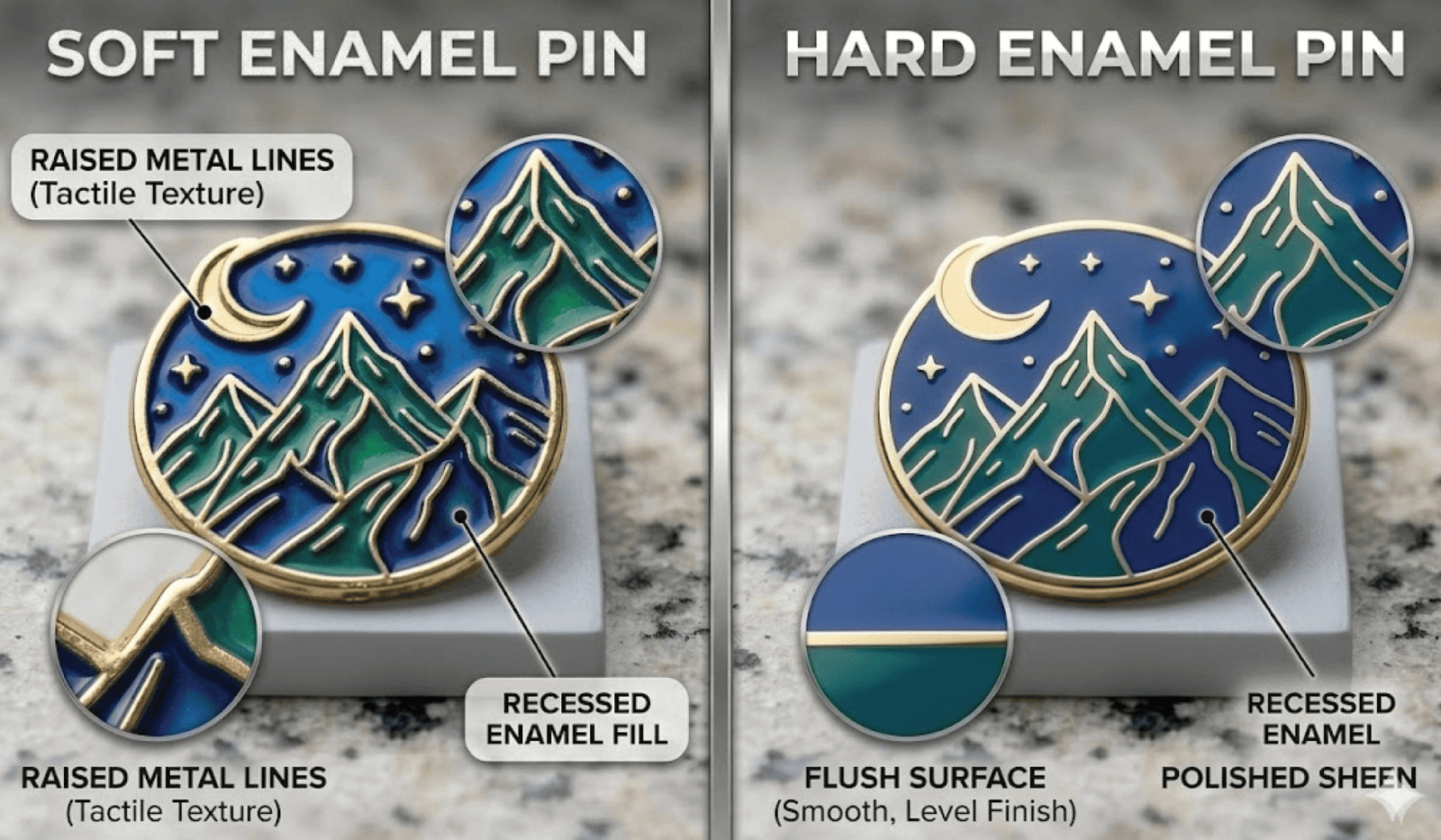
Many people assume that enamel pins are quick and simple to produce, but the process actually involves intricate craftsmanship and several distinct manufacturing steps. From design finalization to plating and polishing1, each stage contributes to the quality of the finished product. Understanding how enamel pins are made can help set realistic expectations for timelines and costs.
Enamel pins are made through a multi-step process including design verification, mold creation, metal stamping, enamel filling, plating, and polishing—all designed to produce durable, visually appealing custom pins. Each stage impacts the pin's quality, making craftsmanship and attention to detail vitally important.
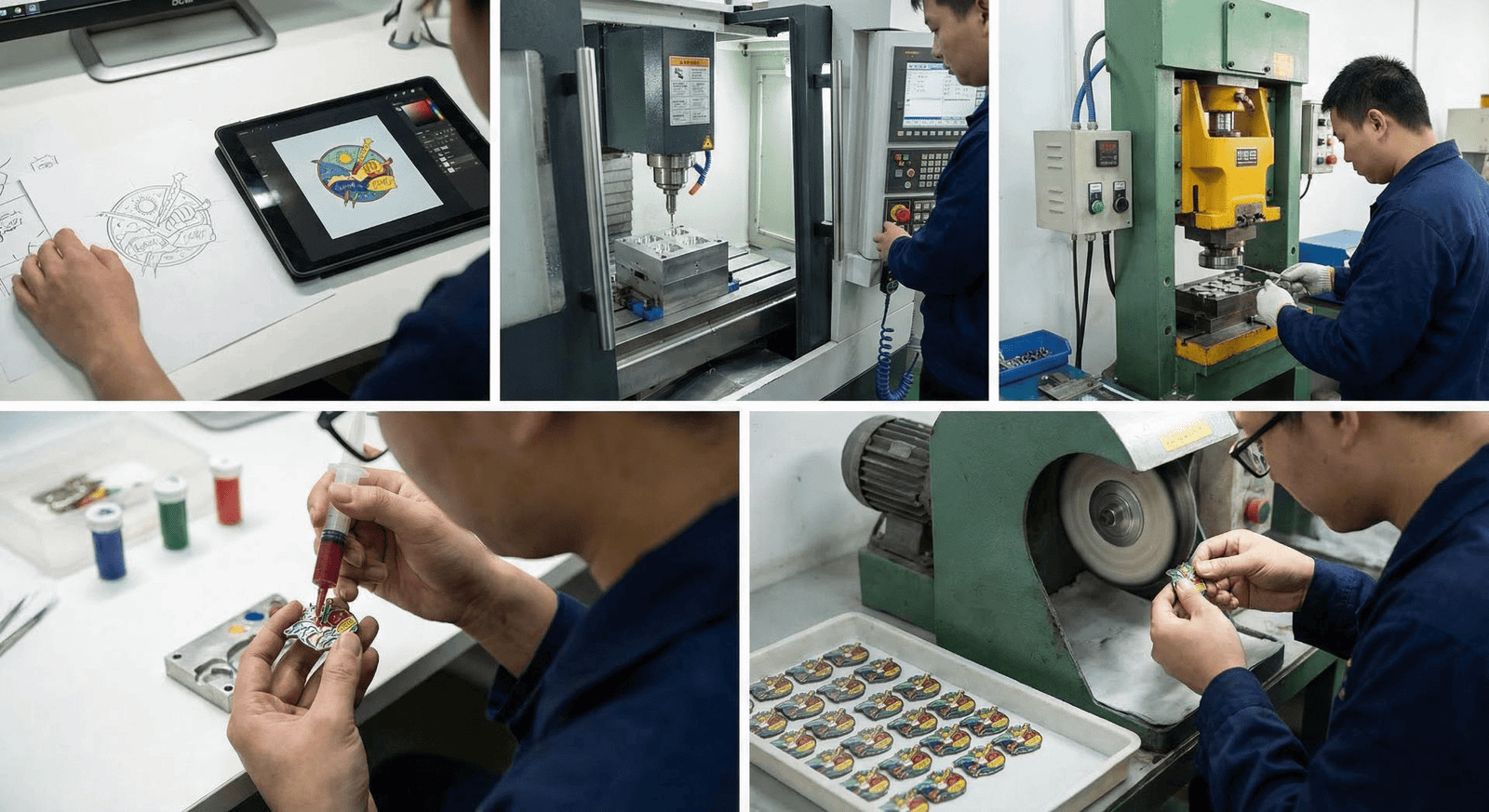
The beauty of enamel pins lies not just in their design but also in the sophisticated process behind their creation. Let’s break down the production stages so you can better appreciate the care each step requires.
What is the first step in enamel pin production?
Bringing a design to life as an enamel pin begins with finalizing the artwork.
The first step in enamel pin production is preparing the design file for manufacturing. This includes ensuring clear outlines, separating colors, and formatting artwork into a compatible file type like vector graphics.

Dive deeper: Design preparation explained
Before anything else, we verify that the artwork provided by the client is compatible with enamel pin production. This step includes:
- Ensuring design clarity: Lines and shapes must be clear so the pin’s details translate accurately during physical production.
- Color separations: Enamel filling requires specific color boundaries, aligning with Pantone color-matching standards for consistency.
- File format compatibility: Vector files (e.g., AI, EPS) are ideal because they allow scalable accuracy for mold creation.
Missteps at this stage can cause delays in production. For example, an overly complex design might need simplification to ensure feasibility, while unclear designs can result in imperfections during later steps. Collaborating closely with clients here ensures designs align with practical manufacturing capabilities.
How are molds created for enamel pins?
Transforming a design into a mold is a technical and crucial step in production.
Molds for enamel pins are created by engraving the finalized design onto a metal surface via CNC or die-cutting technology, which forms the base for stamping or casting the pins.
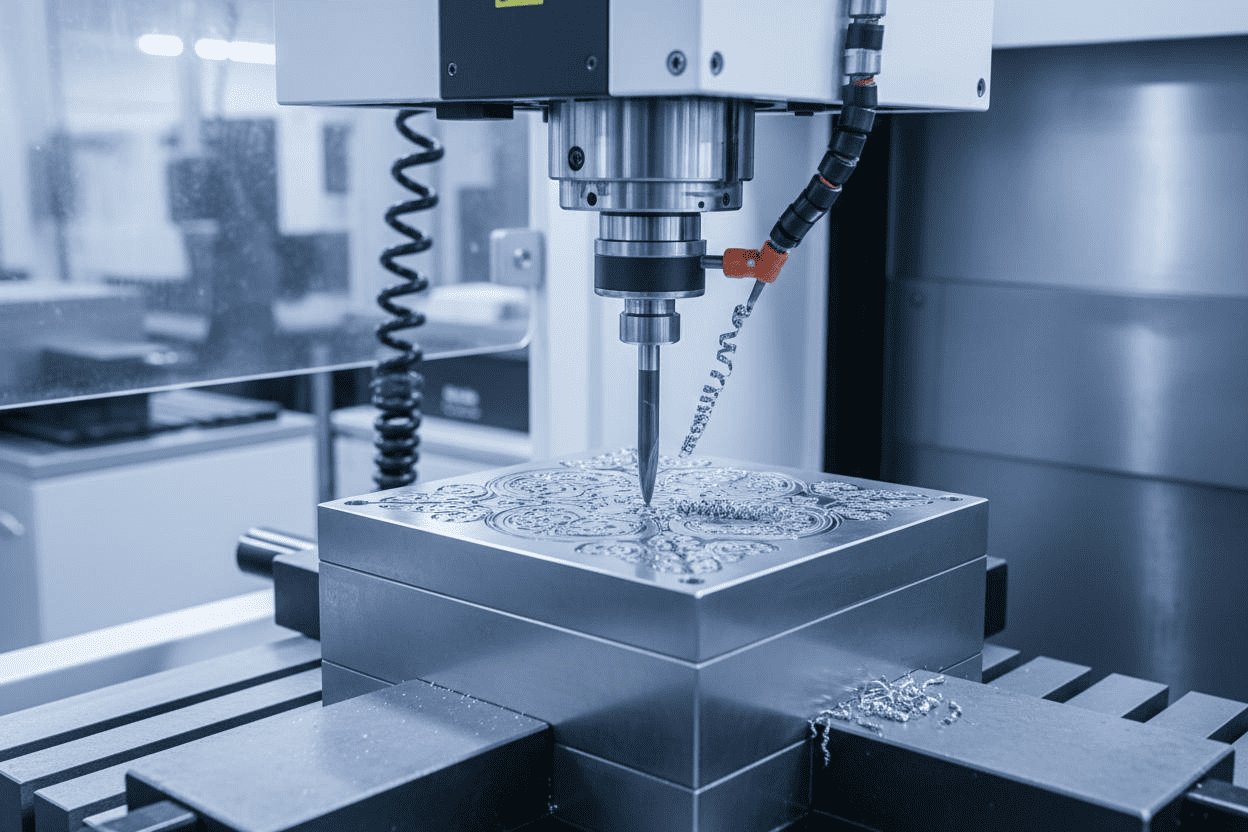
Dive deeper: From design to mold
The mold acts as the template for all enamel pins in a production batch. Here’s a breakdown of the mold creation process:
- Engraving or cutting: Specialized machines carve the design into metal.
- Material considerations: Molds are typically made from hardened steel to resist wear over production runs.
- Quality checks: After mold creation, we carefully inspect the engravings to ensure they match the approved artwork.
This step often surprises new customers. They might not realize that every pin design needs its own unique mold, adding time and cost to production but guaranteeing precise replicas.
How are enamel colors added to the pins?
Adding enamel to pins is where designs truly come alive—this stage often determines their visual appeal.
Enamel colors are added by filling recessed areas in the stamped metal base with liquid enamel, which is then baked to solidify the material2. This step is repeated for each individual color.
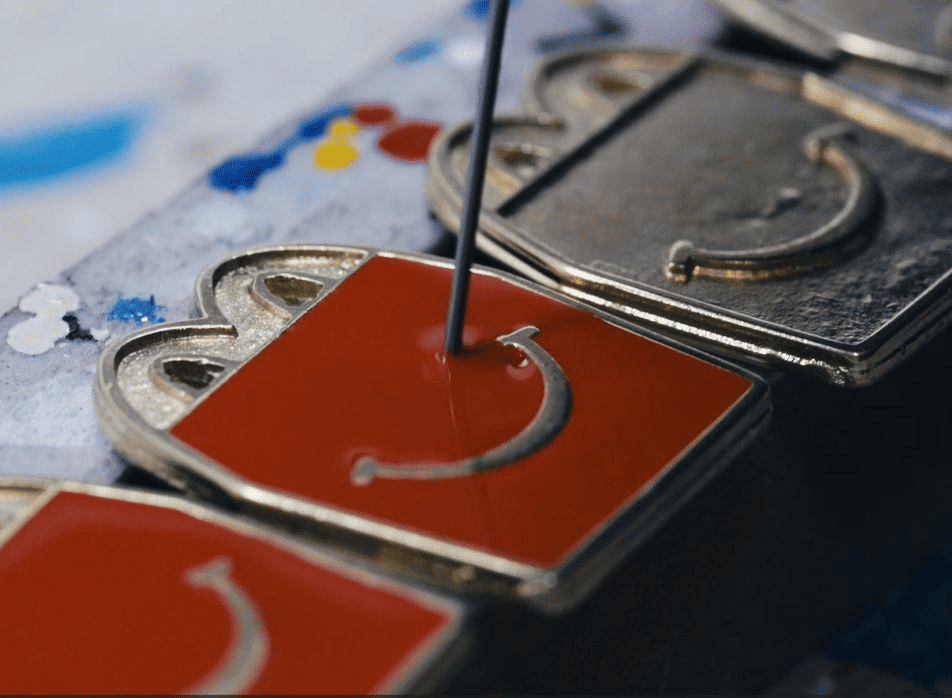
Dive deeper: The artistry of enamel filling
Here’s what we ensure during the enamel filling step:
- Precision application: Liquid enamel is carefully applied to specific recessed areas of the pin. Overflowing color can affect the final product's design.
- Layering for multi-colored pins: If the design has multiple colors, we alternate fills and curing to keep color boundaries crisp.
- Heat curing: Baked at high temperatures, the enamel hardens into a durable, glossy finish.
Different styles, like soft enamel pins or hard enamel pins, require different approaches. Soft enamel pins keep a textured surface while hard enamel pins are polished for complete smoothness. Understanding these variations allows clients to pick the finish that fits their vision.
Why is plating an important manufacturing step?
Plating is the step that gives pins their final metal finish, like gold, silver, or black nickel.
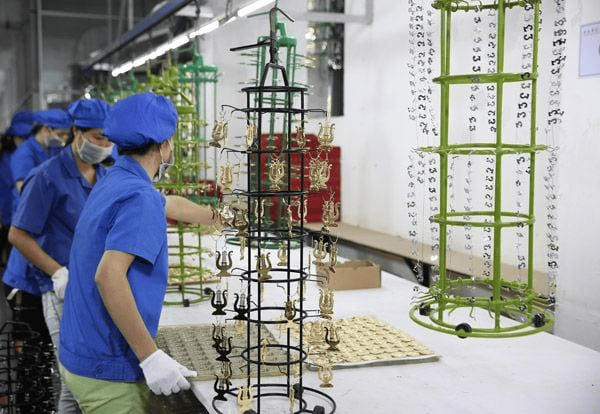
Plating involves immersing the pins in an electroplating bath3 to coat the metal surface with the desired finish. This ensures durability, as well as aesthetic appeal.
Dive deeper: Metal finishing and durability
During plating, the choice of metal finish impacts both the look and longevity of enamel pins. Here's how we approach this step:
- Metal coating application: Pins undergo electroplating, adding a metallic layer such as gold or nickel atop the base material.
- Quality assurance: After plating, we check for uniformity, ensuring the finish matches client specifications.
- Corrosion resistance: Certain finishes, like black nickel, provide added resistance against wear and tarnishing.
Plating takes time and careful handling. Rushing this step often results in inconsistent finishes, which is why we encourage clients to allow sufficient time to achieve quality results.
How are pins polished and inspected?
The final stages of enamel pin production include polishing, assembly, and quality checks.
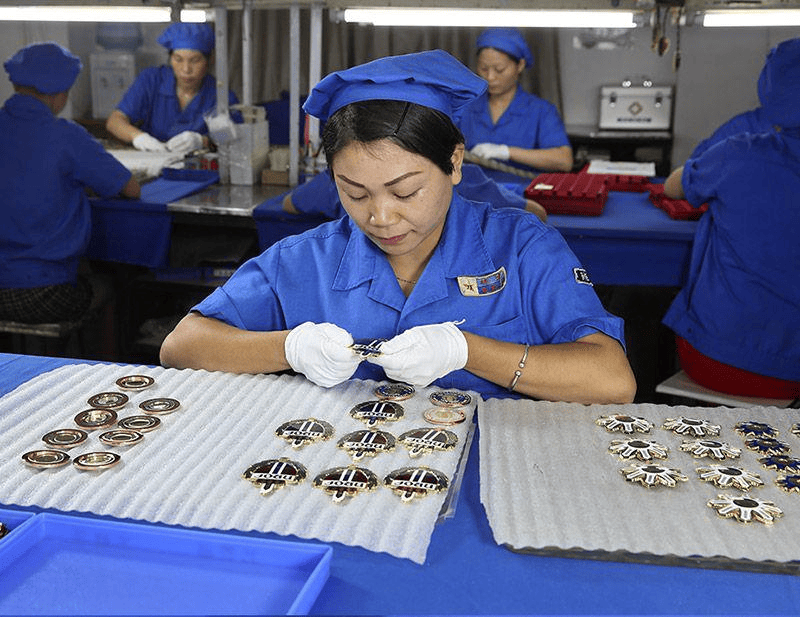
Polishing removes excess metal and smooths each pin’s surface, ensuring flawless edges and an even finish. Afterward, pins are inspected for quality and fitted with backings.
Dive deeper: Polishing and quality control
To guarantee consistent quality, we follow a strict process:
- Machine polishing: Buffing machines smooth out each pin, removing imperfections from stamping or plating.
- Final inspections: Every pin undergoes detailed checks for issues such as incomplete enamel filling, uneven plating, or surface scratches.
- Attachment assembly: The pin backing is added. Types include butterfly clasps, rubber backs, or magnetic clasps, depending on client preference.
Our team understands the importance of delivering products that meet expectations. Quality control at this stage is key to catching any issues before shipping.
Frequently Asked Questions
How long does it take to make enamel pins?
Production time depends on factors like order quantity, design complexity, and finish type. On average, enamel pin manufacturing takes 2–4 weeks from design approval to completion4, but larger orders or intricate designs may extend this timeline.
What’s the difference between soft enamel and hard enamel?
Soft enamel pins have a textured surface, while hard enamel pins are polished smooth. Both styles are high-quality, but hard enamel pins provide a more durable, scratch-resistant finish due to additional heat curing and polishing steps.
Can enamel pins be made without a minimum order quantity?
Yes. At HiPinny, we pride ourselves on offering no minimum order quantity5, so independent designers and small businesses can produce custom pins without committing to large quantities.
Conclusion
Enamel pin production combines artistry and precision, taking designs from concepts to polished reality through careful design preparation, mold creation, enamel filling, plating, and polishing. Each stage contributes to the pin’s quality, demonstrating why detailed craftsmanship matters. If you’re considering custom enamel pins, understanding the manufacturing process can help you make informed decisions about quality and timelines.
Ready to bring your enamel pin ideas to life? Contact us at HiPinny to learn more about our capabilities and start your custom project today!
"- Panther Involvement Network (PIN)", https://pin.gsu.edu/. Studies on enamel pin manufacturing processes emphasize that design accuracy, plating, and polishing are critical for achieving high-quality, durable pins. Evidence role: mechanism; source type: research. Supports: The role of each production stage, from design to polishing, in determining the quality of enamel pins.. Scope note: The source may focus on specific stages rather than providing a comprehensive overview of all steps. ↩
"Evolution of solidification texture during additive manufacturing", https://pmc.ncbi.nlm.nih.gov/articles/PMC4639736/. Research on enamel pin manufacturing explains that baking is a critical step to harden liquid enamel, ensuring durability and a glossy finish. Evidence role: mechanism; source type: research. Supports: The role of baking in solidifying liquid enamel during enamel pin production.. Scope note: The source may not provide specific temperature or time details for the baking process. ↩
"Electroplating 101: How Metal Plating Works", https://formlabs.com/blog/electroplating-metal-plating/. Educational materials on electroplating explain how metal objects, including enamel pins, are coated with a metallic layer through immersion in an electroplating bath. Evidence role: mechanism; source type: education. Supports: The use of electroplating baths to coat enamel pins with a metallic finish.. Scope note: The source may describe electroplating in general rather than specifically for enamel pins. ↩
"how long is the process? : r/EnamelPins", https://www.reddit.com/r/EnamelPins/comments/uqz3jd/how_long_is_the_process/. Industry reports on enamel pin manufacturing indicate that production typically takes 2–4 weeks, depending on design complexity and order size. Evidence role: statistic; source type: institution. Supports: The average production timeline for enamel pins from design approval to completion.. Scope note: The timeline may vary significantly based on specific manufacturers and order conditions. ↩
"Minimum Order Quantity (MOQ): Formula, Tips, & Benefits", https://www.netsuite.com/portal/resource/articles/inventory-management/minimum-order-quantity-moq.shtml. Case studies of small businesses highlight the advantages of manufacturers offering no minimum order quantities, enabling cost-effective production for independent designers. Evidence role: case_reference; source type: other. Supports: The availability of enamel pin production services with no minimum order quantity.. Scope note: The source may not specifically reference HiPinny but rather general industry practices. ↩