
HiPinny Journal
How to Choose the Right Backing for Enamel Pins?
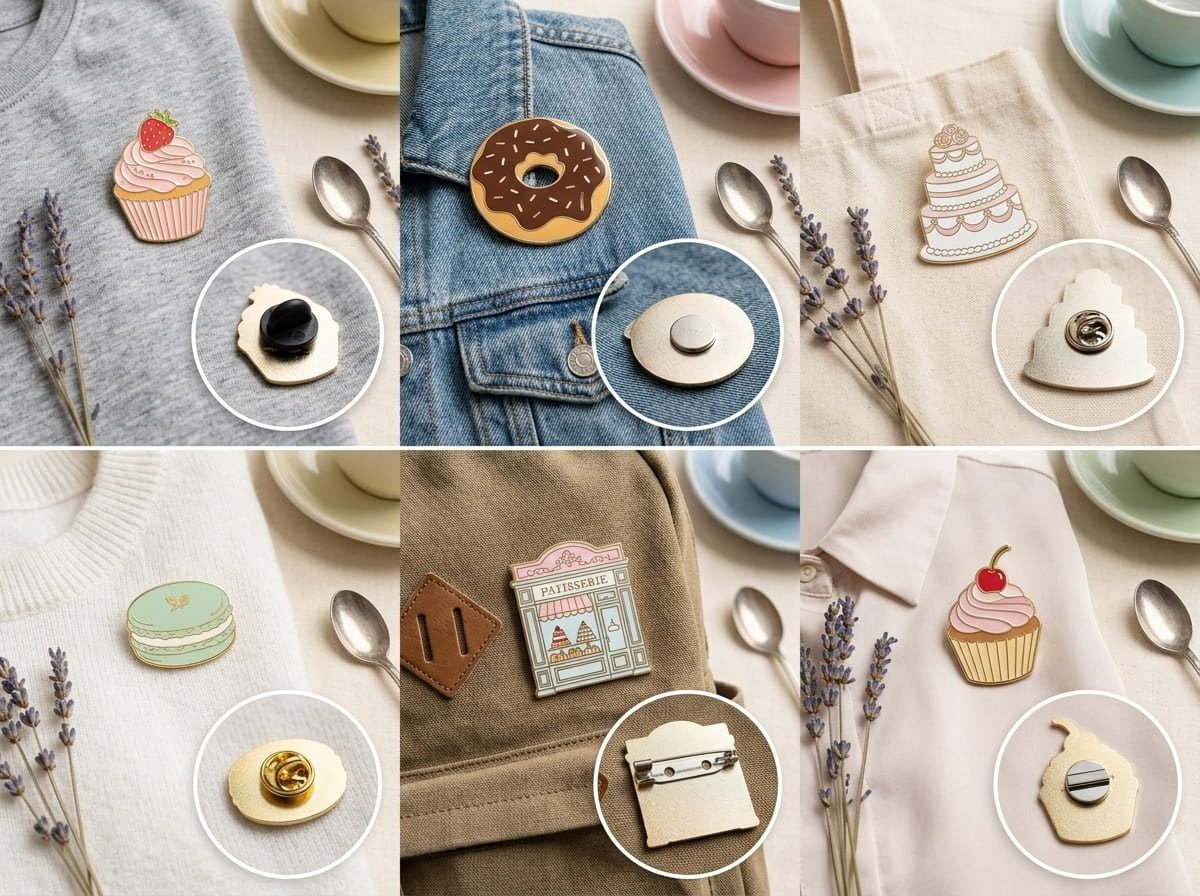
Selecting the right backing for enamel pins may seem like a small detail, but this decision holds huge sway over the usability, durability, and satisfaction of your final product. The backing is more than just a functional attachment—it’s a crucial part of how your pins will perform in real-world scenarios.
The right backing for enamel pins depends on factors like durability, usability, and specific use-case requirements. Rubber clutches are budget-friendly and lightweight, while metal clutches offer stronger security and high-end aesthetics. Alternative options such as magnetic or safety pin backings are suited to unique applications like fabric compatibility or larger pin designs.
While some buyers default to the cheapest or most common option, I’ve seen firsthand how mismatched backing choices lead to frustration—from pins falling off during wear to bulk orders needing urgent replacements. In this article, I’ll guide you through practical considerations to help you make the best choice for your specific needs.
Why does enamel pin backing choice matter?
The problem with backing selection begins with misconceptions. Many customers assume all backings are essentially the same, but this could not be farther from the truth.
The backing choice impacts not just attachment security but also user comfort, fabric compatibility, and how well the pin can hold up to physical wear.1 Choosing the wrong backing can result in lost pins, damaged garments, or unsatisfied customers.
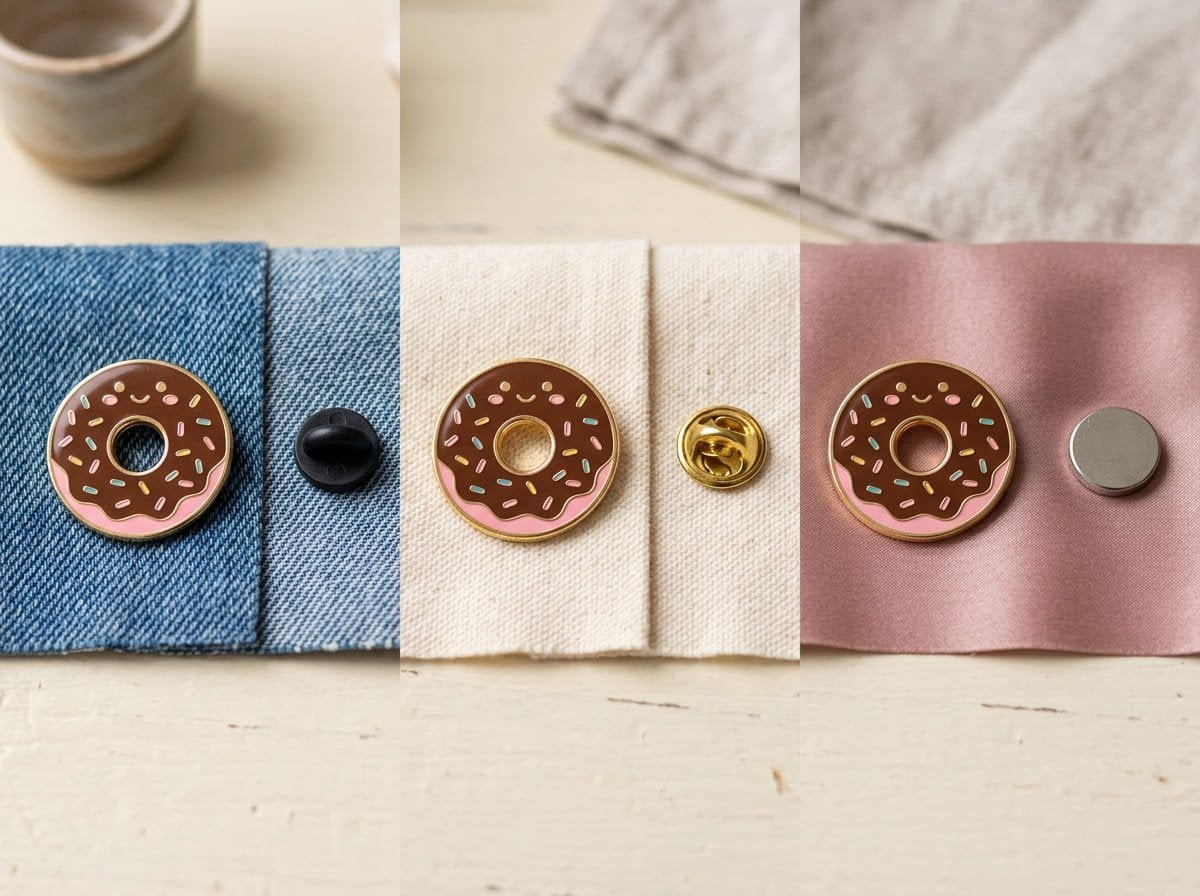
If you’re a designer creating pins for collectors or a school organizing an event where badges need to stay put during high-energy activities, choosing the best backing means avoiding headaches—even for small details. Let’s dive deeper into backing use cases, strengths, and drawbacks.
What are the main types of pin backings?
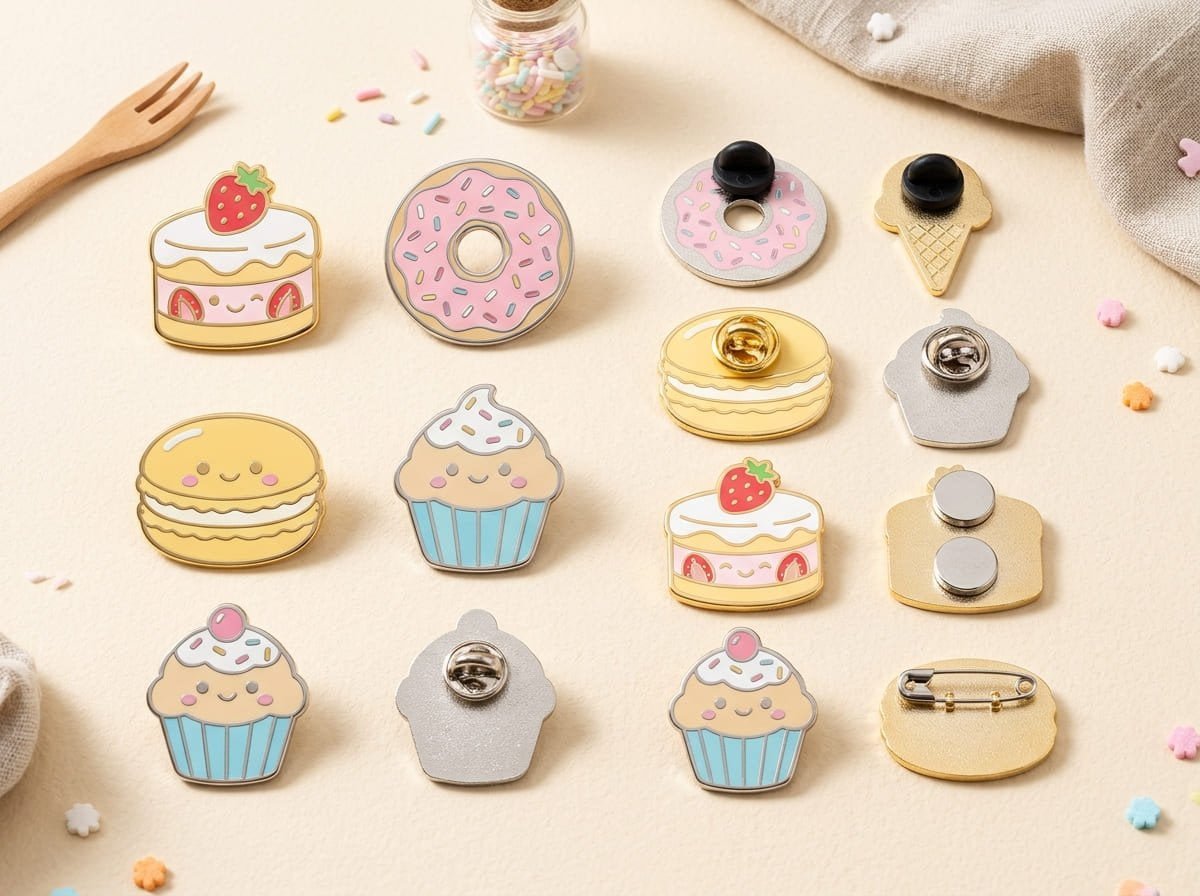
When discussing pin backings, there are four common options: rubber clutches, metal clutches, magnetic backings, and safety pin backings. Understanding these options will help you weigh their functional and aesthetic differences.
The primary types of pin backings are rubber clutches, metal clutches, magnetic backings, and safety pin backings. Rubber clutches are cost-effective for everyday use, metal clutches deliver durability and premium appeal, magnetic backings support non-invasive applications, and safety pin backings handle heavy or oversized pins.
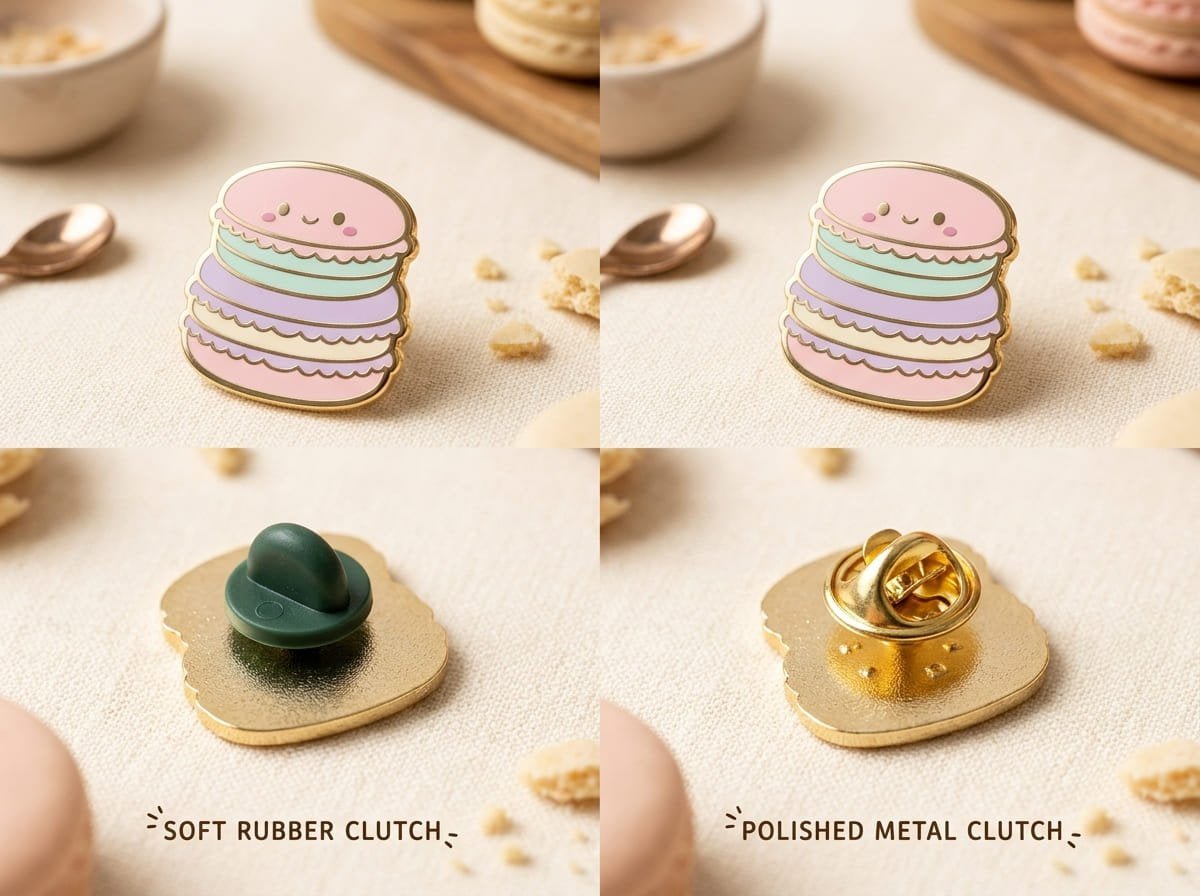
These choices cater to different priorities, from maintaining a lightweight design to ensuring hardy attachment strength. Here's a closer look:
Rubber clutches: Budget-friendly but variable security
Rubber clutches are lightweight, affordable, and widely used for casual applications.2 They’re the go-to option when cost efficiency is prioritized, but they come with trade-offs.
- Advantages: Low price, gentle on fabrics, easy removal.
- Disadvantages: May loosen over time, weaker grip compared to metal alternatives.
Rubber clutches are great for pins with less risk of falling off—such as decorative flair for backpacks or jackets—but if your pins are for formal use or prone to movement, this option may not offer enough security.
Metal clutches: Durable and polished
Metal clutches are known for their sturdy grip and professional presentation.3 Made from brass, steel, or alloys, they ensure pins remain securely fastened even during active use.
- Advantages: Long-lasting hold, premium appearance, secure fit across thicker fabrics.
- Disadvantages: Higher cost compared to rubber, can be tricky to remove for some designs.
Metal clutches are ideal for high-value enamel pins targeted at collectors, professionals, or event attendees who demand reliability as much as clean aesthetics.
Magnetic backings: Ideal for non-invasive use
Magnetic backings enable secure attachment without puncturing fabrics, making them perfect for pieces worn on delicate clothing or shared among multiple users.
- Advantages: Puncture-free attachment, quick application/removal.
- Disadvantages: Less secure for heavy pins or items exposed to high-movement environments.
This option is particularly popular for schools, organizations, and corporations offering enamel pins for guests who may not want permanent holes in their attire.
Safety pin backs: Support larger designs
Safety pin backings are distinctively practical for oversized pins or artistic pin designs with unusual shapes.4 They offer additional surface support and are easy to use.
- Advantages: Handles larger/heavier pins, straightforward mechanism.
- Disadvantages: Bulkier appearance, may snag on fabrics.
Safety pin backs are often chosen for larger commemorative designs, heavy promotional pins, or badges intended to convey a handmade feel.
How do specific use cases affect backing selection?
Backing decisions should ultimately be guided by where, how, and by whom the pins will be used. Choosing the wrong type can lead to embarrassing or costly functional failures.
Functional use cases like corporate giveaways, collector pins, high-energy events, or formal wear require distinct backing solutions to ensure attachment security, comfort, and style.5 Matching the backing to the specific application avoids lost pins or customer dissatisfaction.
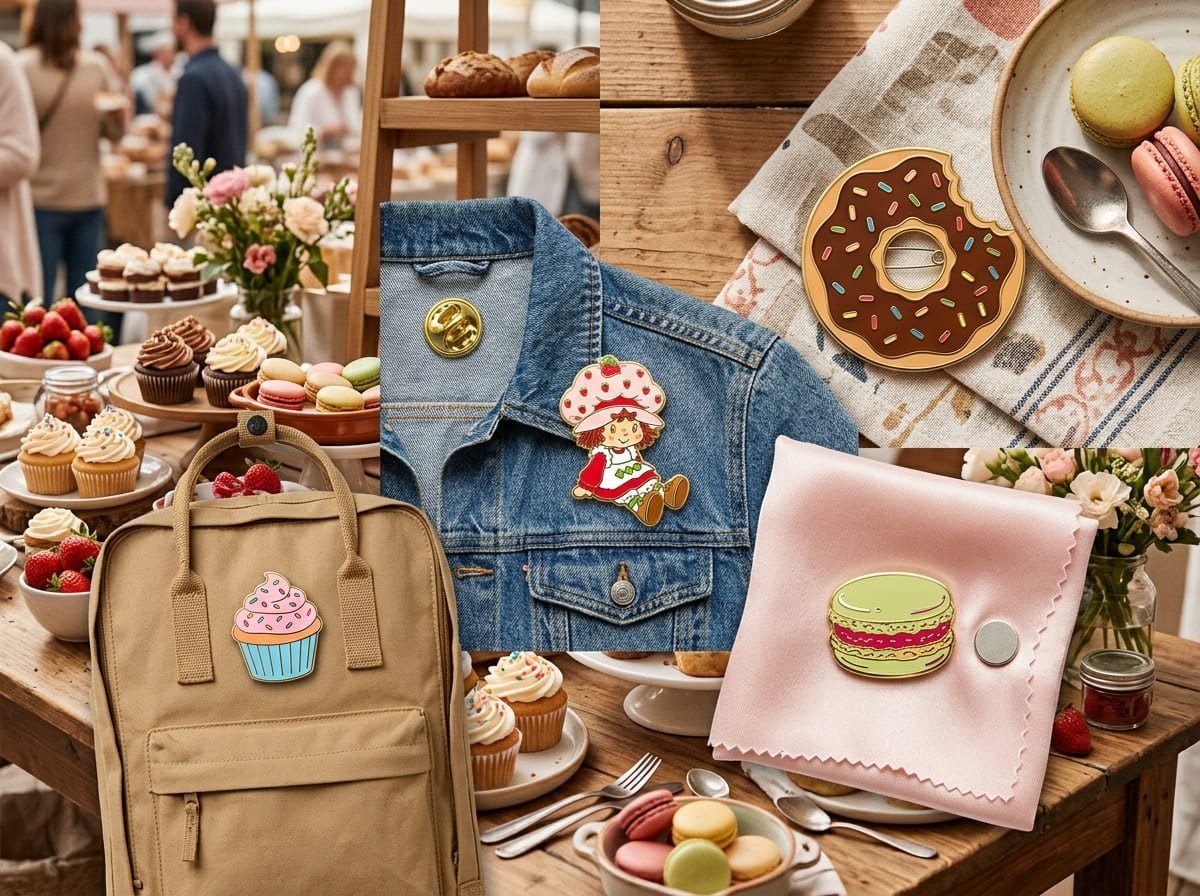
Here’s a breakdown of common real-life pin applications and the backing types that work best:
- Event pins for schools/universities: Metal clutches ensure durability during games or high-energy movement.6
- Promotional pins for light clothing: Rubber clutches balance affordability with casual wear compatibility.
- Collector-grade designer pins: Metal clutches offer security and aesthetic sophistication for premium pins.
- Corporate badges on delicate fabrics: Magnetic backings preserve the integrity of suits or silk dresses.
- Art pins with large dimensions: Safety pin backings provide stability for oversized pieces not designed for daily wear.
What are common mistakes when choosing pin backings?
Even experienced buyers occasionally make missteps when selecting pin backings. Over-prioritizing cost or overlooking functional aspects often results in suboptimal product delivery.
The most common mistakes include assuming the cheapest options work universally, neglecting use-case-specific security, and undervaluing aesthetics. Avoid these by balancing practicality and appeal in your backing selection.
I’ve seen customers regret choosing rubber clutches for collector pins—only for users to complain the pins slipped off. Similarly, heavy pins attached with magnets have fallen apart during active use. When selecting a backing, always ask:
- Will this backing stay secure during movement?
- Does this backing support the weight of my specific pin design?
- Are customers who value aesthetic harmony likely to appreciate this backing?
Frequently Asked Questions
Which pin backing is best for outdoor events?
Metal clutches are generally the best choice for outdoor events due to their durability and ability to resist loosening during movement. Rubber clutches might work for low-intensity occasions but lack the security needed for active environments.
Are magnetic backings strong enough for enamel pins?
Magnetic backings are strong enough for lightweight and medium-weight pins, especially when used on delicate or hard-to-puncture fabrics. However, they are less suitable for heavy pins or scenarios involving physical activity.
What backing is recommended for pins offered at corporate events?
Magnetic backings are an excellent choice for corporate events where pins are worn on formal attire. They prevent damage to suits and delicate fabrics while ensuring easy removal.
Should I use rubber or metal clutches for collector pins?
Metal clutches are preferable for collector pins due to their premium presentation, long-term durability, and secure grip. Rubber clutches may be more cost-effective but lack the sophisticated appearance collectors often expect.
Can I mix backing types in one order?
Yes, many manufacturers can mix backing types in a single order to suit varying use cases. For example, combining rubber clutches for everyday pins and metal clutches for collector-grade pieces offers flexibility.
Conclusion
Selecting the right backing for enamel pins is critical to achieving your goals—whether that’s affordability, reliability, or premium appeal. Approach backing decisions by considering the specific use case, durability needs, and aesthetic expectations. Rubber, metal, magnetic, and safety pin backings each offer unique strengths to match various applications.
At HiPinny, we help buyers weigh their options based on real-world scenarios, so you leave feeling confident in your choice. If you’re ready to design your next batch of enamel pins, contact us today to discuss your requirements!
"Which lapel pin backing is most secure? (New and need help)", https://www.reddit.com/r/EnamelPins/comments/xo6w6w/which_lapel_pin_backing_is_most_secure_new_and/. A study comparing different pin backings could provide evidence for their impact on these factors. Evidence role: mechanism; source type: research. Supports: Backing choices influence attachment security, comfort, fabric compatibility, and durability.. Scope note: The source may focus on one factor, such as durability, rather than all listed impacts. ↩
"Butterfly clutch", https://en.wikipedia.org/wiki/Butterfly_clutch. A study or industry report on enamel pin backings could confirm the popularity and affordability of rubber clutches for casual use. Evidence role: general_support; source type: research. Supports: Rubber clutches are lightweight, affordable, and commonly used for casual applications.. Scope note: The source may not provide specific data on casual applications but could offer general insights into rubber clutch usage. ↩
"Rubber vs Metal vs Locking Backs : r/EnamelPins", https://www.reddit.com/r/EnamelPins/comments/1itfxg5/rubber_vs_metal_vs_locking_backs/. Research or expert commentary on enamel pin backings could validate the durability and aesthetic appeal of metal clutches. Evidence role: general_support; source type: research. Supports: Metal clutches provide a sturdy grip and professional aesthetic for enamel pins.. Scope note: The source may focus on durability without addressing professional presentation directly. ↩
"Ordinary Safety Pin", https://www.bgc.bard.edu/research/articles/68/ordinary-safety-pin. An industry guide or expert analysis could confirm the suitability of safety pin backings for larger or uniquely shaped pins. Evidence role: general_support; source type: research. Supports: Safety pin backings are practical for oversized or artistic pin designs.. Scope note: The source may focus on oversized pins without addressing artistic designs specifically. ↩
"Corporate Event Pin Ideas", https://www.pinterest.com/ideas/corporate-event-pin-ideas/958046939210/. A study or industry guide could provide examples of backing choices tailored to different use cases. Evidence role: general_support; source type: research. Supports: Distinct use cases require specific backing solutions for security, comfort, and style.. Scope note: The source may focus on one use case rather than covering all listed scenarios. ↩
"Research on Vibroactivity of Toothed Gears with Highly ... - PMC", https://pmc.ncbi.nlm.nih.gov/articles/PMC9824208/. A study or expert commentary could confirm the effectiveness of metal clutches in active settings. Evidence role: general_support; source type: research. Supports: Metal clutches are durable and suitable for high-energy environments.. Scope note: The source may focus on durability without addressing specific high-energy scenarios like games. ↩