
HiPinny Journal
Metal Pins vs. Acrylic Pins: Which Is Better for Custom Orders?
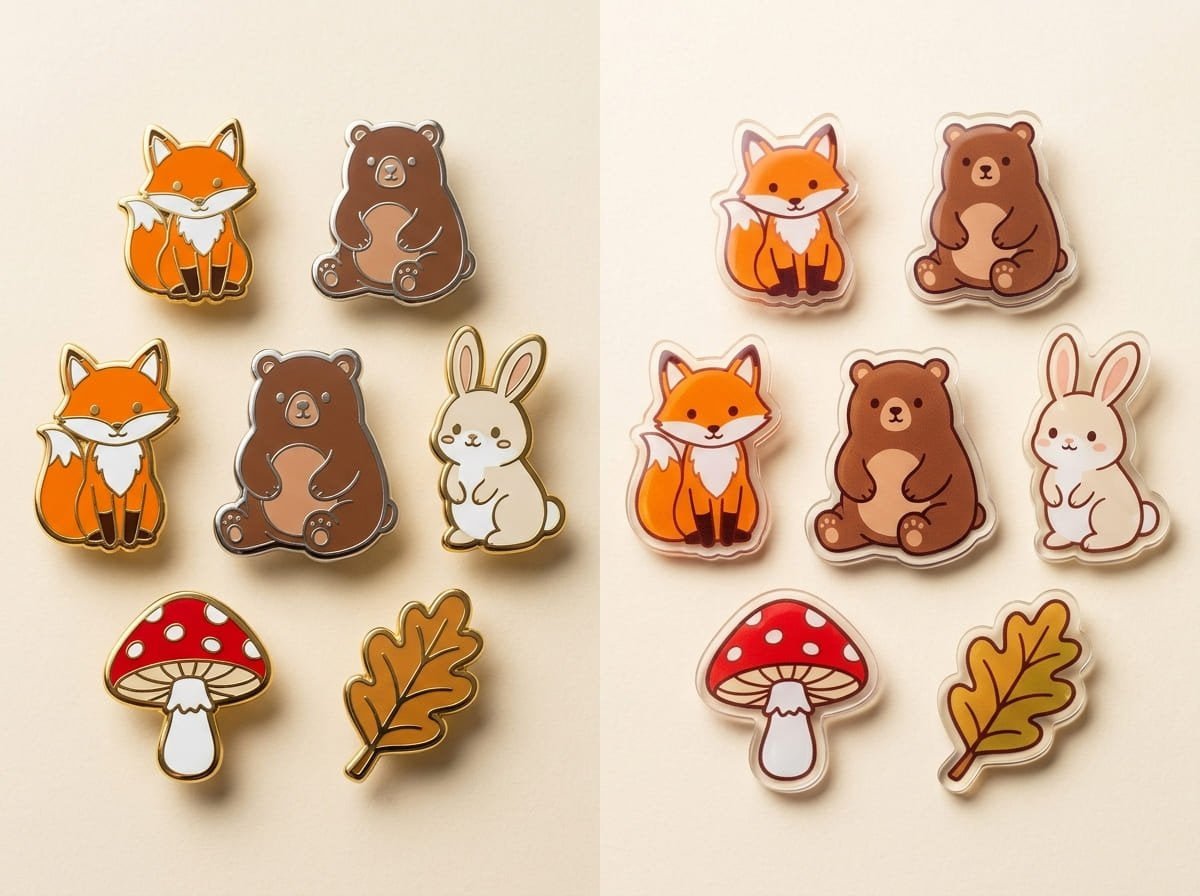
Choosing between metal pins and acrylic pins for custom orders can be confusing, especially if you're unfamiliar with how materials and production processes impact cost, design, and audience appeal. Each type has unique advantages, but the right choice depends on factors like your design complexity, budget, order size, and intended use.
Metal pins are ideal for higher-end branding or collectible items1, while acrylic pins are lightweight, colorful, and better suited for playful designs or small budgets.
When deciding, it's essential to understand the strengths and limitations of both options. In this guide, I'll break down the differences and help you make an informed decision.
What makes metal pins stand out?
Metal pins symbolize tradition, elegance, and durability2 — but they aren't always the best fit for every project.
Metal pins are characterized by their premium feel and ability to support complex detailing, making them ideal for professional branding or collector pieces, especially in larger orders.
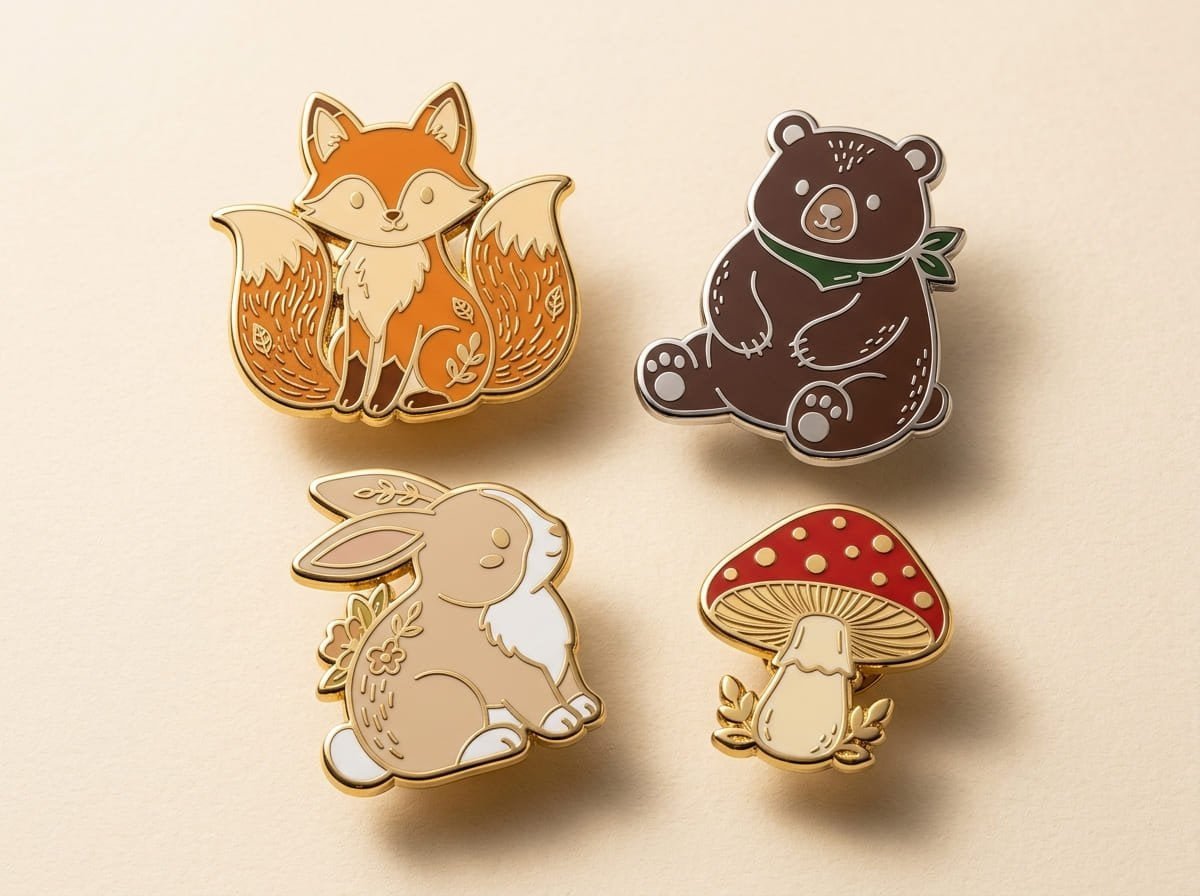
Dive deeper into the advantages:
Metal pins, often associated with enamel pins, are popular for their professional appearance and tactile quality. They’re manufactured using techniques like die-striking or die-casting, with details added through plating and coloring.
Top advantages of metal pins:
- Premium appearance: Metal has a weighty, polished feel that reflects craftsmanship.
- Customizable finishes: Options like matte, gloss, or antique plating elevate designs.
- Intricate detailing: Thin outlines and raised elements are achievable.
- Durability: Metal pins withstand wear better than plastic3.
However, the quality comes with production requirements. Metal pins typically involve higher upfront costs due to specialized machinery and processes4. This expense is often offset by bulk orders, where economies of scale make metal pins cost-effective.
When to choose metal pins:
- Corporate branding: For conferences or investor gifts, metal pins evoke professionalism.
- Collectible items: Pin sets for creators, collectors, or fan merchandise.
- Long-lasting designs: Commemorative or keepsake-worthy pins.
Keep in mind, metal pins work best for detailed logos or formal designs. If your concept relies on bold colors or quirky shapes, acrylic may outperform metal.
How do acrylic pins differ?
While metal pins bring tradition and elegance, acrylic pins excel at being vibrant, lightweight, and affordable for smaller or casual orders.
Acrylic pins are perfect for playful designs, tight budgets, and small volumes, seamlessly fulfilling experimental or trend-driven custom orders.
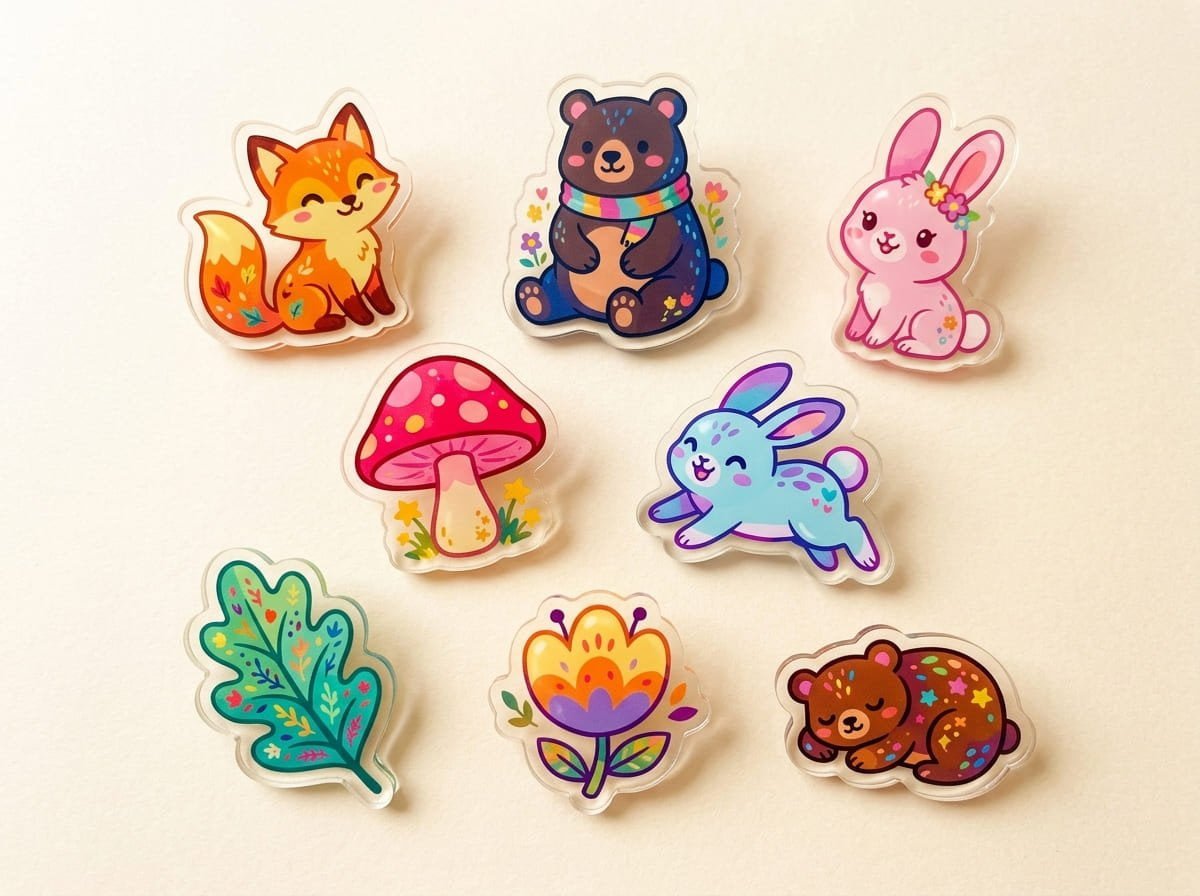
Dive deeper into the advantages:
Acrylic pins are created using laser-cut acrylic sheets5. They feature digitally printed designs adhered to the surface, sometimes with protective epoxy coatings for gloss. Their production process allows flexibility in size, color, and shape.
Top advantages of acrylic pins:
- Affordability: Acrylic materials and simpler processes reduce per-unit costs.
- Lightweight feel: Less bulky, making them ideal for casual wear.
- Playful, bold designs: Full-color printing thrives on smooth acrylic surfaces.
- Flexible small batch orders: Minimized setup costs enable lower order sizes.
These pins are well-suited for designs that prioritize visual impact, like cartoon art, vibrant patterns, or trendy slogans. However, acrylic pins may lack the tactile presence or durability of metal pins, making them better for short-term campaigns or informal giveaways.
When to choose acrylic pins:
- Casual giveaways: Community events, school fundraisers, or promotional mementos.
- Playful branding: Designs targeting younger demographics or merchandise.
- Testing new designs: Low-cost production for prototypes or trial marketing.
While acrylic pins deliver affordability and boldness, they may not appeal to audiences expecting premium or collectible items.
What factors should guide your choice?
Deciding between metal and acrylic pins requires balancing multiple priorities like budget, volume, and intended audience. Here's a side-by-side comparison:
| Factor | Metal Pins | Acrylic Pins |
|---|---|---|
| Material Feel | Heavy, premium | Lightweight, playful |
| Design Complexity | Intricate detailing possible | Better for flat, colorful patterns |
| Durability | Long-lasting, resistant to wear | Less durable but protected by epoxy |
| Customization Options | Plating, raised structures | Flexible shapes, gloss finishes |
| Cost Efficiency | Large-volume orders | Small batches or prototypes |
| Target Audience | Professionals, collectors | Schools, casual hobbyists |
Budget and order size:
Metal pins work best for larger orders, where setup costs are absorbed through volume. For small or experimental orders, acrylic pins are the more economical option.
Intent and audience:
Professional branding, anniversaries, or collector themes call for metal pins. For fun or casual designs, acrylic pins provide versatility and visual impact.
Frequently Asked Questions
What’s the main difference in production costs?
Metal pins often have higher setup costs due to specialized machinery and die creation. Acrylic pins, by contrast, benefit from streamlined production methods, keeping costs lower for small volumes or simpler designs.
Which type is better for detailed logos?
Metal pins are better suited for designs with intricate lines, textures, or raised elements. They allow for precise detailing that acrylic pins can’t replicate.
Are metal pins always more durable?
Yes, metal pins are generally more resistant to wear over time. However, acrylic pins can achieve durability through epoxy coatings, though they won’t match the resilience of metal materials.
Can I mix both types in a single order?
Some manufacturers may accommodate mixed orders, but differences in design and finishing make it better to commit fully to one type for visual consistency and simplified production.
Is there a minimum order quantity (MOQ)?
At HiPinny, there’s no MOQ for either type — you can tailor your order size to your needs, whether small experimental batches or bulk runs.
Conclusion
Both metal pins and acrylic pins have strengths that make them ideal for specific scenarios. Metal pins deliver premium detailing and long-lasting durability, while acrylic pins excel in affordability, color vibrance, and shape flexibility. Your decision should hinge on your design complexity, order volume, and target audience.
Ready to explore custom pin options? Reach out to HiPinny today for expert insights and scalable pin manufacturing solutions tailored to your needs!
"Lapel pin", https://en.wikipedia.org/wiki/Lapel_pin. Research indicates that metal pins are often chosen for branding and collectibles due to their premium appearance and durability, which align with professional and collector expectations. Evidence role: general_support; source type: research. Supports: Metal pins are suitable for high-end branding and collectible items.. ↩
"Lapel pin", https://en.wikipedia.org/wiki/Lapel_pin. Encyclopedic entries on decorative pins highlight their historical use in formal and ceremonial contexts, reinforcing their association with tradition and elegance. Evidence role: historical_context; source type: encyclopedia. Supports: Metal pins are associated with tradition, elegance, and durability.. Scope note: The symbolic interpretation may vary across cultures and industries. ↩
"Pedals: What do you prefer Plastic or Metal and why?", https://www.reddit.com/r/mountainbiking/comments/131fvfw/pedals_what_do_you_prefer_plastic_or_metal_and_why/. Studies on material durability show that metals generally have higher resistance to wear and environmental factors compared to plastics. Evidence role: statistic; source type: research. Supports: Metal pins are more wear-resistant than plastic pins.. Scope note: Specific durability may vary by metal type and plastic quality. ↩
"How do enamel pins get pretty expensive? : r/EnamelPins", https://www.reddit.com/r/EnamelPins/comments/1bbjibm/how_do_enamel_pins_get_pretty_expensive/. Educational resources on manufacturing processes explain that die-striking and plating techniques for metal pins require costly equipment and skilled labor. Evidence role: mechanism; source type: education. Supports: Metal pin production involves specialized machinery and processes that increase costs.. Scope note: Cost variations may depend on the manufacturer and order size. ↩
"What's the best way to make acrylic faux enamel pins with ...", https://www.reddit.com/r/lasercutting/comments/1jgps0g/whats_the_best_way_to_make_acrylic_faux_enamel/. Educational materials on laser cutting describe how acrylic sheets are precisely cut and printed for pin production. Evidence role: mechanism; source type: education. Supports: Acrylic pins are manufactured using laser-cut acrylic sheets.. Scope note: Specific methods may vary by manufacturer. ↩