
HiPinny Journal
What Are Enamel Pins Made Of?
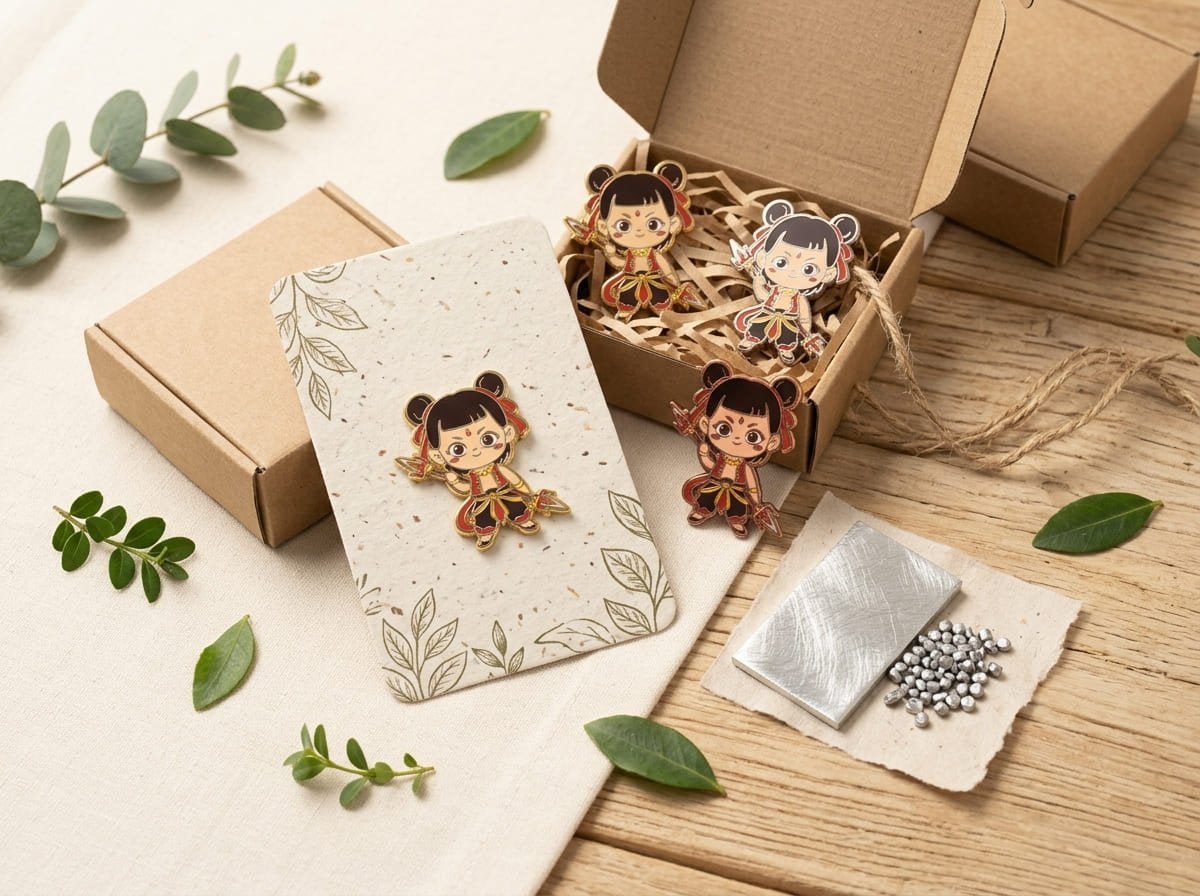
Enamel pins might look small and simple, but the choice of materials plays a huge role in their cost, durability, and aesthetics. Whether you're a pin designer or a business owner, understanding what enamel pins are made of is essential for making informed decisions. Let’s break down these materials, their trade-offs, and how they impact your manufacturing results.
Enamel pins are typically made of metals like zinc alloy, iron, copper, and aluminum. Each material offers unique benefits depending on cost, durability, aesthetic finishes, and production compatibility. Buyers should carefully choose materials based on their target designs, usage conditions, and budget constraints.
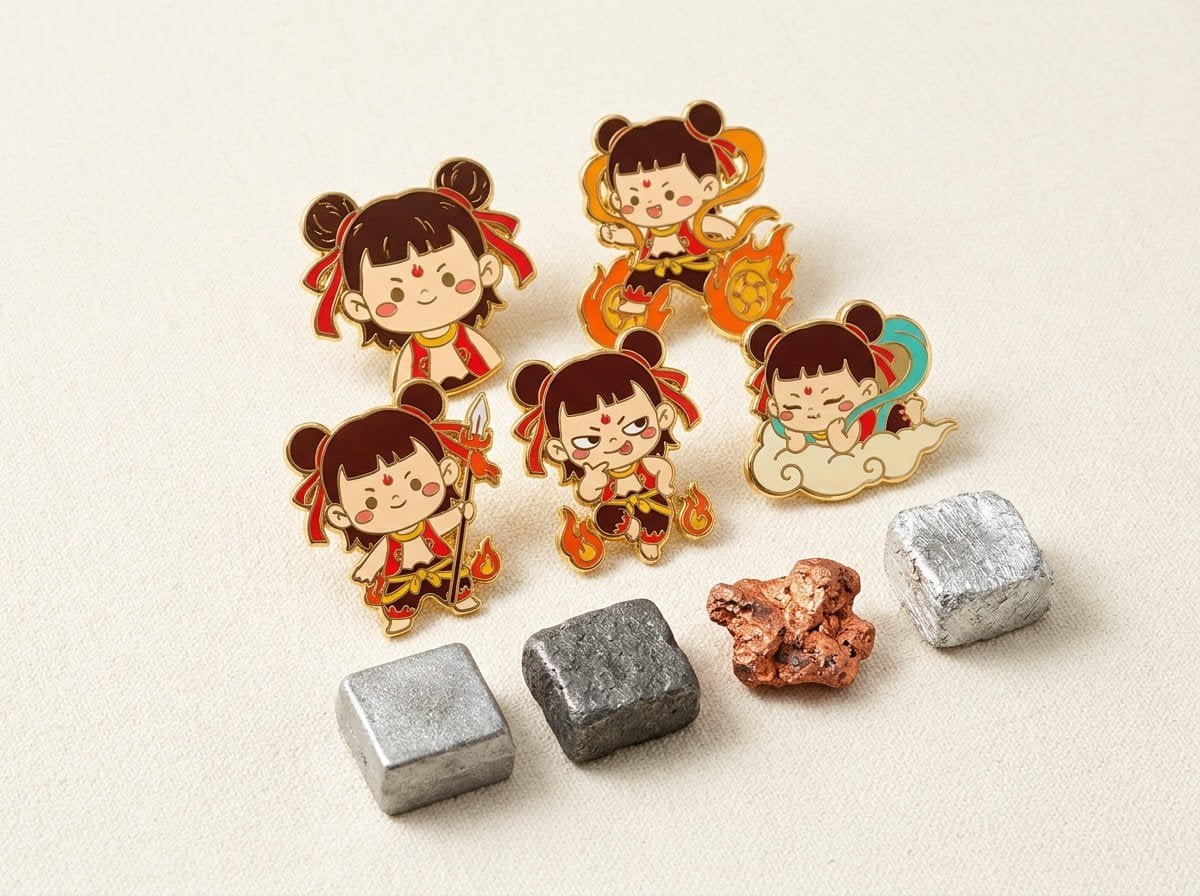
The materials behind enamel pins may seem straightforward, but selecting the right one can involve balancing several priorities. Below, I’ll detail the most popular options, common misconceptions, and practical advice for sourcing decisions.
What are the main metals used for enamel pins?
When sourcing enamel pins, businesses often start with common metals. But what exactly sets these materials apart?
Zinc alloy, iron, copper, and aluminum are the primary metals used for enamel pins because they balance cost, durability, and surface smoothness. Zinc alloy is preferred for detailed designs, while iron offers strength at a lower cost.1 Aluminum is lightweight, and copper delivers sharp finishes but at a premium price.
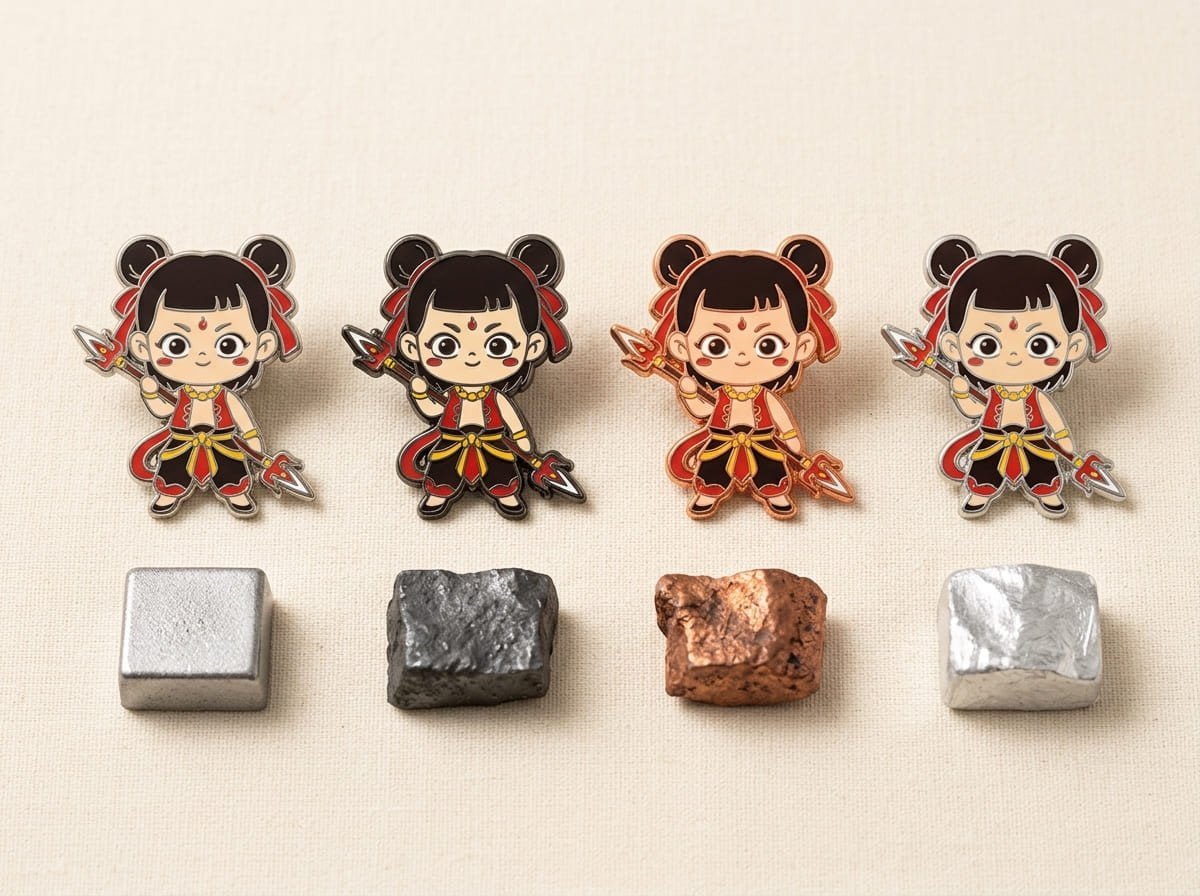
In-depth comparison:
| Metal | Price Range | Durability | Advantages | Challenges |
|---|---|---|---|---|
| Zinc alloy | Moderate | High | Ideal for designs with intricate details | Heavier than aluminum |
| Iron | Low | Very high | Cost-effective with excellent strength | Limited plating options |
| Copper | High | Premium look | Delivers sharp edges and clean finishes | Higher production cost due to raw material |
| Aluminum | Moderate | Mid-range | Lightweight and good for larger pin shapes | Less durable than zinc or iron |
Zinc alloy is a frequent favorite. If customer designs require small lettering or fine textures, zinc excels due to how well it casts into molds. On the other hand, iron pins are hardier and often chosen for bulk production where lowered costs matter. Designers who want a polished, luxurious feel often prefer copper, though higher costs are a consideration.
Creators working with eco-conscious designs sometimes opt for aluminum for its recyclability, but it’s worth noting that in practical use, durability limits its feasibility for certain applications.
Are enamel pin materials hypoallergenic and safe?
Buyers often ask me whether materials used in enamel pins are universally safe for skin contact. Here’s what I tell customers:
While most enamel pin metals are considered safe, specific platings or coatings—such as nickel—can cause allergies for some users. Always verify material safety certifications and avoid assumptions about hypoallergenic properties in untested materials.
Dive deeper into safety considerations:
Most materials like zinc alloy and copper are skin-safe when manufactured correctly. The plating process, however, introduces variations in safety. Nickel plating, commonly used for shiny finishes, is a known allergen for people with sensitive skin.2 It’s best to substitute nickel with stainless steel or certain gold and silver platings for hypoallergenic options.
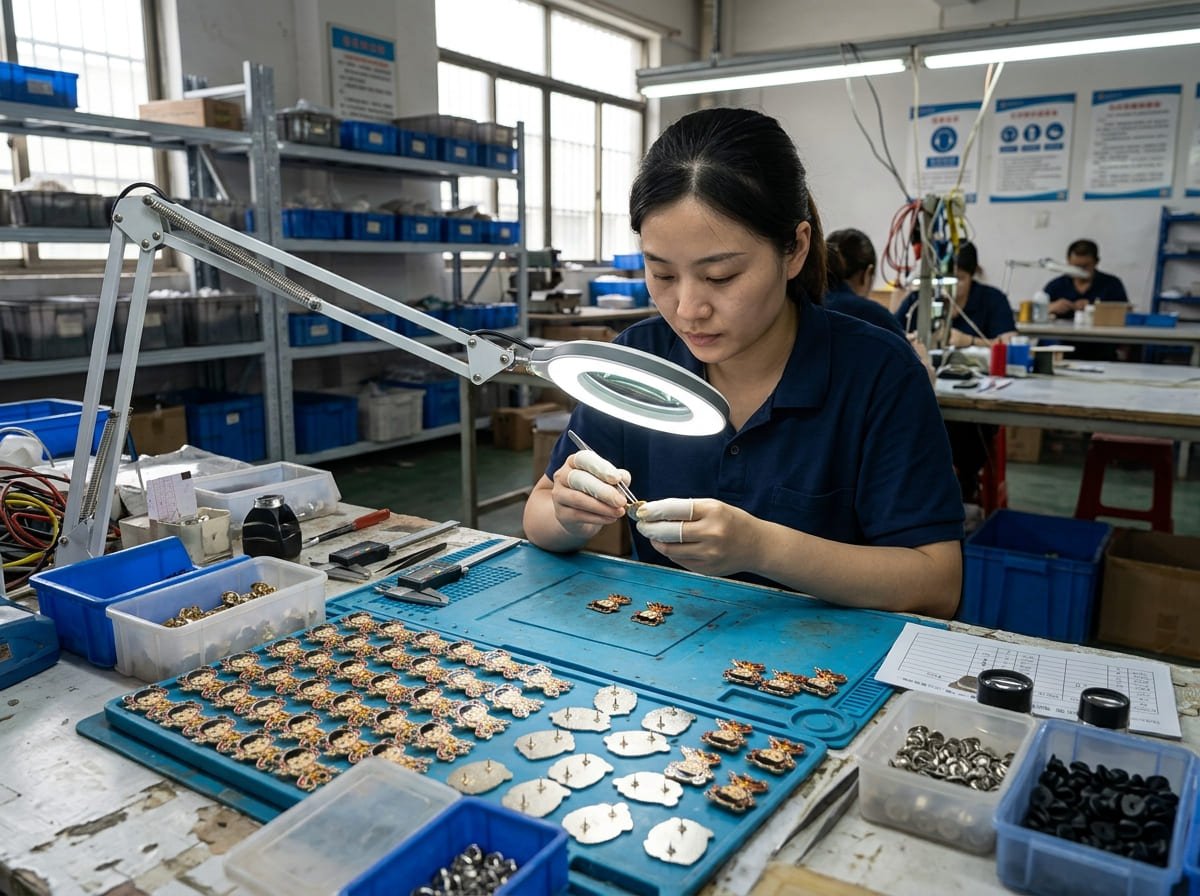
If your pin design includes backing posts or sharp attachments, those should also undergo quality inspections. Surprising as it may seem, unsafe edges from poor manufacturing, rather than the metal itself, often cause user discomfort or injury.
Tip for verifying safety claims:
Request documented certifications, such as RoHS compliance for reduced toxic metal content.3 Additionally, some manufacturers offer environmental assurance reports. These extra layers build customer confidence, especially when selling to premium or eco-conscious markets.
How does plating choice affect enamel pins?
Many of my customers underestimate how plating influences a pin’s final quality. Let’s clarify its importance.
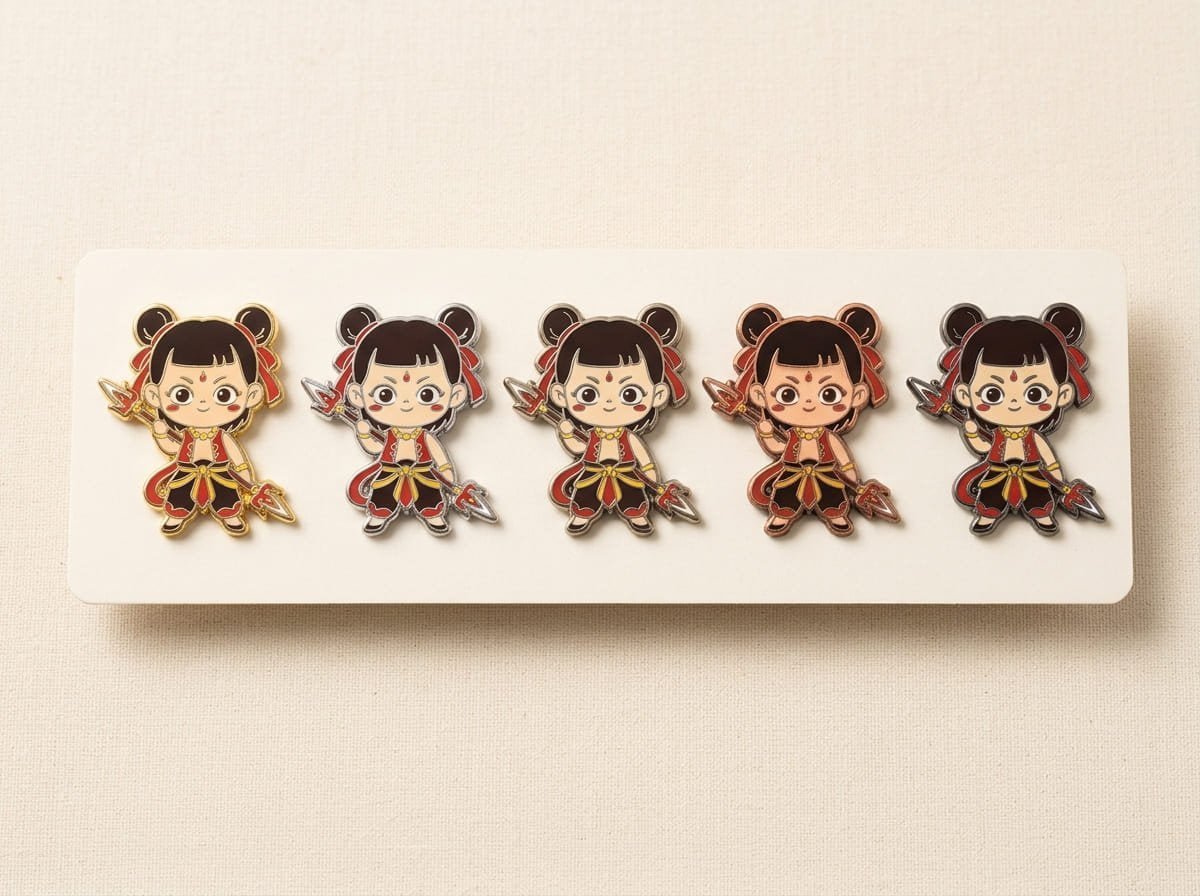
Plating options, including gold, silver, and nickel finishes, impact the pin’s appearance, longevity, and maintenance needs. Gold plating gives a luxurious effect, while nickel plating is cost-effective but prone to tarnishing.4 Silver’s sheen lasts longer but may increase the overall price.
The impact of plating on durability and visual appeal:
Plating doesn’t just add shine—it also protects the underlying metal from corrosion.5 Gold plating stands out for premium designs, offering excellent resistance to aging, but it typically costs more.6 Nickel remains popular for mainstream designs because of its affordability, though tarnishing over time is a concern.
Silver falls between gold and nickel in terms of price and maintenance, making it ideal for designs seeking a polished mid-range look.7 Secondary plating choices like antique bronze and black nickel enable creative aesthetics, especially in vintage-style pins.
Pin owners should also consider their target market. Customers willing to invest in collectible items often expect high-quality plating, while casual buyers may prioritize cost over longevity.
Can enamel pins include sustainable materials?
Some businesses ask whether enamel pins can be made more eco-friendly. While feasible, integrating sustainability is not without its hurdles.
Sustainable enamel pin options often involve aluminum or recycled metals, but production feasibility depends heavily on cost sensitivity and order quantities. Eco-conscious decisions may require trade-offs in durability and finish quality.
Dive deeper into environmental considerations:
Recycled zinc alloys and aluminum are emerging as viable eco-friendly options.8 Designers targeting green markets often inquire about these materials due to their lower carbon footprint. However, recycled metals may present increased production challenges, from inconsistent surface smoothness to slightly higher mold rejection rates.
Plating choices also influence eco-friendliness. Manufacturing using water-based solutions or low-toxic coatings improves environmental compliance standards but may slightly raise costs. If sustainability aligns with your branding, discuss options with your supplier for practical trade-offs.
Sustainability in packaging:
Beyond the pins themselves, packaging choices matter. Opt for minimalist designs with recycled paper inserts rather than plastic wraps. Offering eco-friendly presentation aligns better with sustainable marketing campaigns.
Frequently Asked Questions
Are enamel pin materials all skin-safe?
Not all enamel pin materials are hypoallergenic or universally safe. Nickel plating, for instance, can cause allergies for sensitive users. Always ask for safety certifications and inform buyers of potential risks.
Which material is best for beginners designing enamel pins?
Zinc alloy is ideal for beginners. It balances affordability, durability, and flexibility for intricate designs, making it easier to work with during the manufacturing process.
Do sustainable pin materials cost more?
Sustainable materials like recycled metals or eco-friendly platings often cost slightly more due to increased production complexity.9 However, these options can enhance your brand’s value in eco-conscious markets.
How long can plated enamel pins last?
Pins with gold or silver plating typically last 2–5 years without tarnishing, depending on usage and storage.10 Nickel plating may show wear sooner, making maintenance essential.
What’s the most durable material for enamel pins?
Iron is the most durable, offering both strength and cost-effectiveness.11 It’s excellent for pins intended for rugged or everyday use.
Conclusion
Understanding what enamel pins are made of isn’t just about choosing metals—it’s about weighing factors like cost, safety, durability, and aesthetics. Zinc alloy works best for intricate designs, while iron offers superior durability for bulk production. Plating options dramatically influence the pin’s final appearance and lifespan. For eco-conscious buyers, sustainable materials like recycled metals become attractive choices.
If you want advice tailored to your specific design or market, reach out today for expert guidance. We’ll help you turn your ideas into quality enamel pins your customers love.
"How can I tell the difference between iron and zinc alloy ...", https://www.reddit.com/r/Pins/comments/rxbo9i/how_can_i_tell_the_difference_between_iron_and/. Zinc alloy is commonly used for intricate designs in enamel pins due to its ability to capture fine details during the casting process, while iron is favored for its strength and cost efficiency in bulk production. Evidence role: general_support; source type: research. Supports: The source should explain why zinc alloy is suitable for detailed designs and why iron is valued for its strength and cost-effectiveness.. ↩
"NICKEL SENSITIVITY AND OCCUPATIONAL SKIN-DISEASE", https://hero.epa.gov/reference/1862176/. Nickel is a widely recognized allergen that can cause skin irritation or allergic reactions in sensitive individuals, particularly when used in jewelry or other items with prolonged skin contact. Evidence role: general_support; source type: education. Supports: The source should confirm that nickel is a common allergen and explain its effects on sensitive skin.. ↩
"Compliance FAQs: RoHS", https://www.nist.gov/standardsgov/compliance-faqs-rohs. RoHS (Restriction of Hazardous Substances) compliance ensures that electronic and electrical products meet specific limits for hazardous substances, including lead and cadmium, to reduce environmental and health risks. Evidence role: definition; source type: government. Supports: The source should define RoHS compliance and its role in reducing toxic metal content in products.. ↩
"How does nickel tarnish vs sterling silver? : r/jewelrymaking", https://www.reddit.com/r/jewelrymaking/comments/1fo3a4j/how_does_nickel_tarnish_vs_sterling_silver/. Gold plating is often chosen for its luxurious appearance and resistance to tarnishing, whereas nickel plating is a cost-effective option but is more prone to tarnish over time. Evidence role: general_support; source type: research. Supports: The source should explain the aesthetic and durability differences between gold and nickel plating.. ↩
"Plating", https://en.wikipedia.org/wiki/Plating. Plating serves as a protective layer that shields the underlying metal from environmental factors, such as moisture and air, which can cause corrosion. Evidence role: mechanism; source type: education. Supports: The source should explain how plating protects metals from corrosion.. ↩
"How much does gold plating cost? : r/jewelrymaking", https://www.reddit.com/r/jewelrymaking/comments/1klwdg7/how_much_does_gold_plating_cost/. Gold plating is known for its resistance to tarnishing and aging, making it a popular choice for premium designs, though it is generally more expensive than other plating options. Evidence role: general_support; source type: research. Supports: The source should confirm that gold plating is resistant to aging and is more expensive than other plating options.. ↩
"Gold or silver plating? : r/EnamelPins", https://www.reddit.com/r/EnamelPins/comments/7klk5y/gold_or_silver_plating/. Silver plating is often considered a mid-range option, offering a polished appearance and better durability than nickel, though it is less expensive than gold. Evidence role: general_support; source type: research. Supports: The source should confirm that silver plating is less expensive than gold but more durable than nickel, making it suitable for mid-range designs.. ↩
"Aluminum Industry Technology Roadmap - eere.energy.gov", https://www1.eere.energy.gov/manufacturing/resources/aluminum/pdfs/al_roadmap.pdf. Recycled zinc alloys and aluminum are increasingly recognized as sustainable materials due to their lower environmental impact and recyclability compared to virgin metals. Evidence role: general_support; source type: research. Supports: The source should confirm that recycled zinc alloys and aluminum are considered eco-friendly materials and explain their environmental benefits.. ↩
"Scrap Metal Prices - J.R.'s Advanced Recyclers", https://jrsadvancedrecyclers.com/scrap-metal-prices/. Sustainable materials, such as recycled metals and eco-friendly platings, typically involve higher production costs due to additional processing requirements and material sourcing challenges. Evidence role: general_support; source type: research. Supports: The source should confirm that sustainable materials and eco-friendly platings often have higher production costs.. ↩
"Gold or silver plating? : r/EnamelPins", https://www.reddit.com/r/EnamelPins/comments/7klk5y/gold_or_silver_plating/. Gold and silver plating on enamel pins can last between 2–5 years without significant tarnishing, depending on factors such as usage frequency and storage conditions. Evidence role: statistic; source type: research. Supports: The source should provide data on the typical lifespan of gold and silver plating under normal usage and storage conditions.. ↩
"Cost-effectiveness analysis of parenteral iron therapy ... - PMC", https://pmc.ncbi.nlm.nih.gov/articles/PMC10759557/. Iron is widely regarded as one of the most durable materials for enamel pins, offering excellent strength and cost-effectiveness, particularly for bulk production. Evidence role: general_support; source type: research. Supports: The source should confirm that iron is a highly durable and cost-effective material for enamel pins.. ↩