
HiPinny Journal
What Edge Finishes Are Available for Enamel Pins?
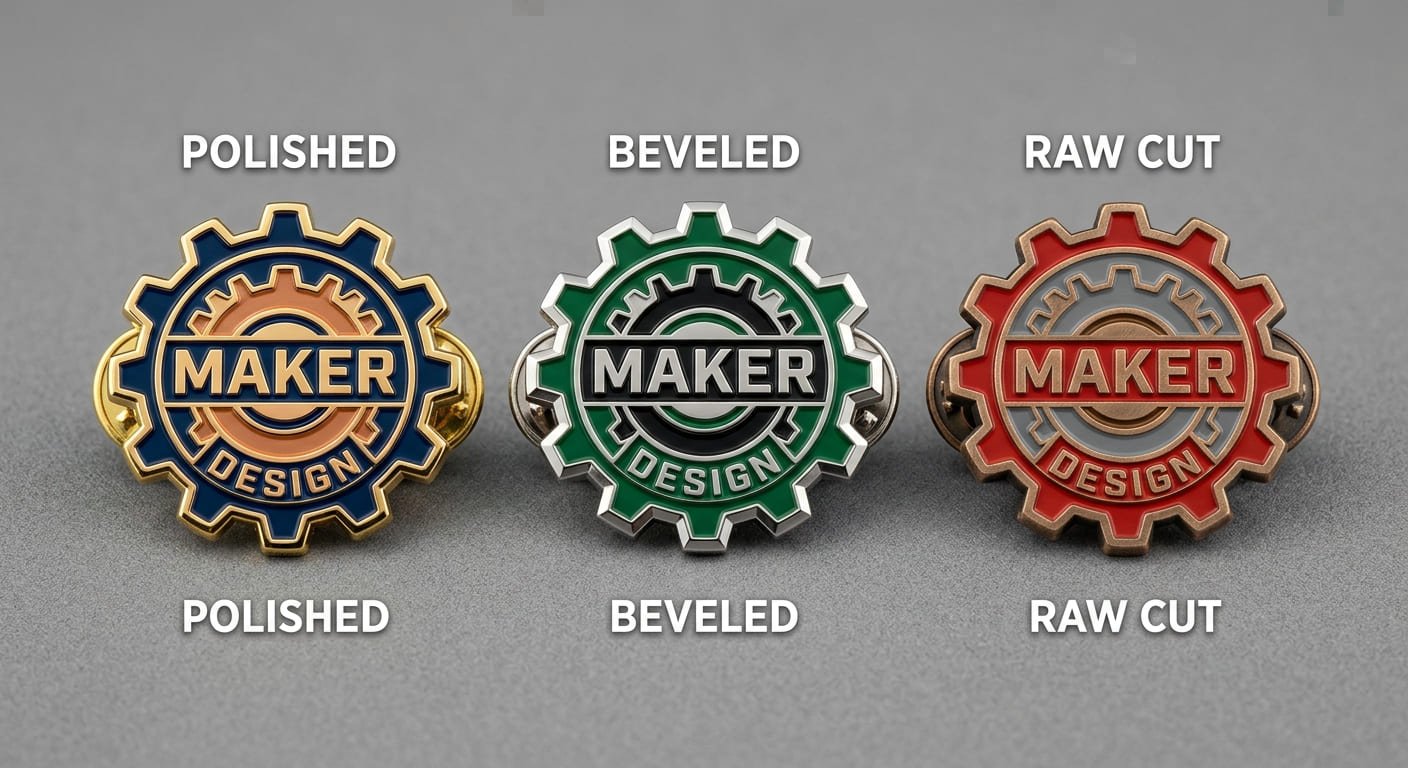
Choosing the right edge finish for enamel pins can make or break the final product's appeal. From polished edges that exude refinement to raw cuts that add a rugged touch, every finish interacts differently with your design’s style and intention. Understanding edge finishes for enamel pins is essential to create a pin that stands out and matches your branding perfectly.
Enamel pins typically offer edge finishes such as polished edges, beveled edges, and raw cut edges. Each finish provides a distinct look suited for specific designs, ranging from sleek and minimalistic to bold and industrial aesthetics. Selecting the right option requires balancing design compatibility and customer preferences.
Edge finishes are not merely aesthetic—they’re functional, too. They can influence how customers perceive the quality of your pin and how your design interacts with the shape and material. Let’s dive deeper into the available options and learn how to match them to your pin designs.
What are polished edges for enamel pins?
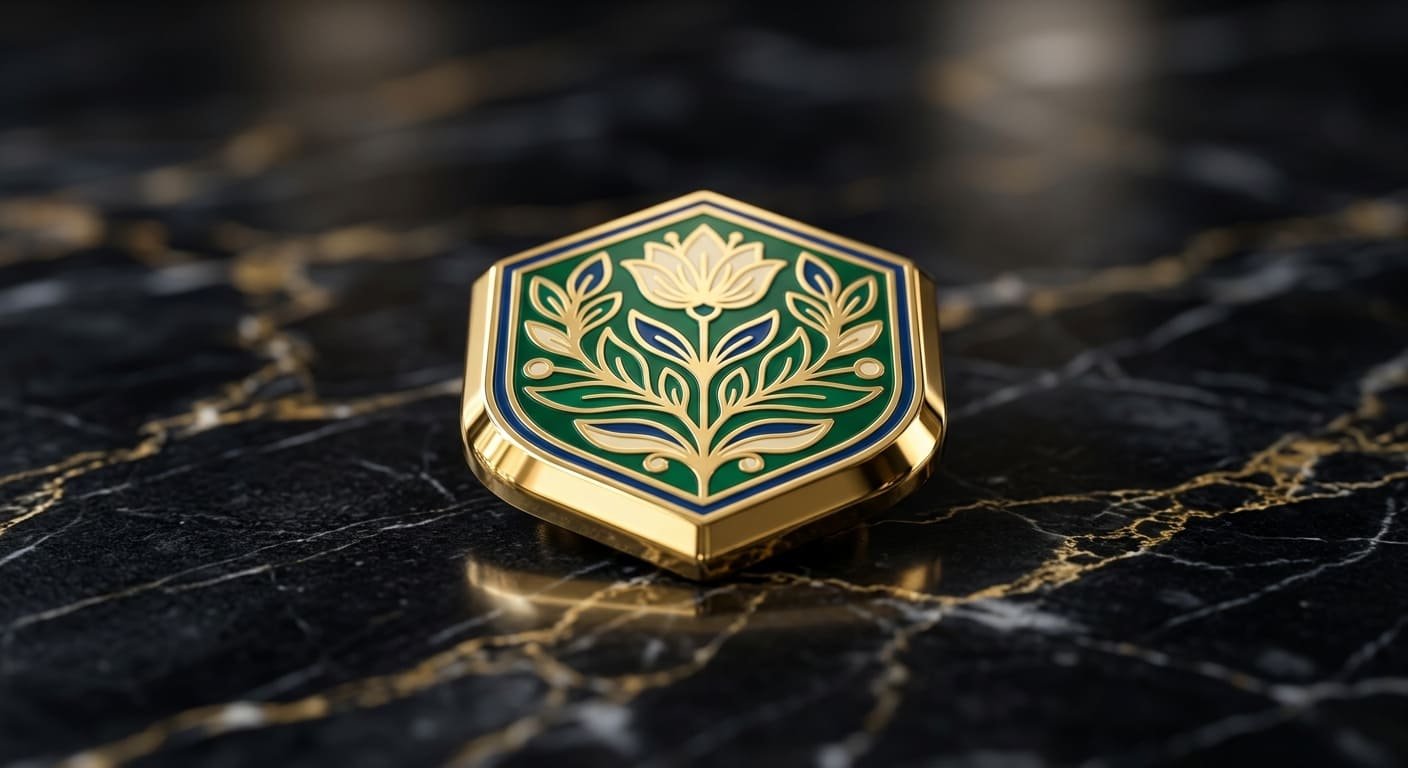
A polished edge offers a clean and shiny surface that elevates the finished look of enamel pins. This is the most common edge finish and works well for professional or luxury designs.
Polished edges create a smooth, reflective border ideal for enamel pins intended to showcase elegant, minimalistic designs.1 This finish enhances color transitions and complements almost any plating option, such as gold, silver, or nickel.
Why polished edges are popular
Polished edges are preferred by many designers because they enhance the overall quality of the pin. The reflective border makes the design appear vibrant and crisp while ensuring durability. Polished edges are particularly well-suited for pins designed for corporate branding, professional organizations, or commemorative merchandise.
Best design matches for polished edges:
- Luxury or premium designs – Gold-plated pins for high-end branding or collector items. 2. Corporate pins – Promote professionalism with smooth, clean finishes.
- Detailed artwork – Polished edges amplify the intricacy of colorful or fine details.2
On the practical side, polished edges pair well with designs that focus on harmony between colors and smooth transitions. For example, school mascot pins or fundraising badges often rely on polished edges to achieve a refined, professional impression.
What are beveled edges for enamel pins?
Beveled edges bring depth and dimension to enamel pins. They create an angled or sloped surface between the edge and the pin’s flat design.
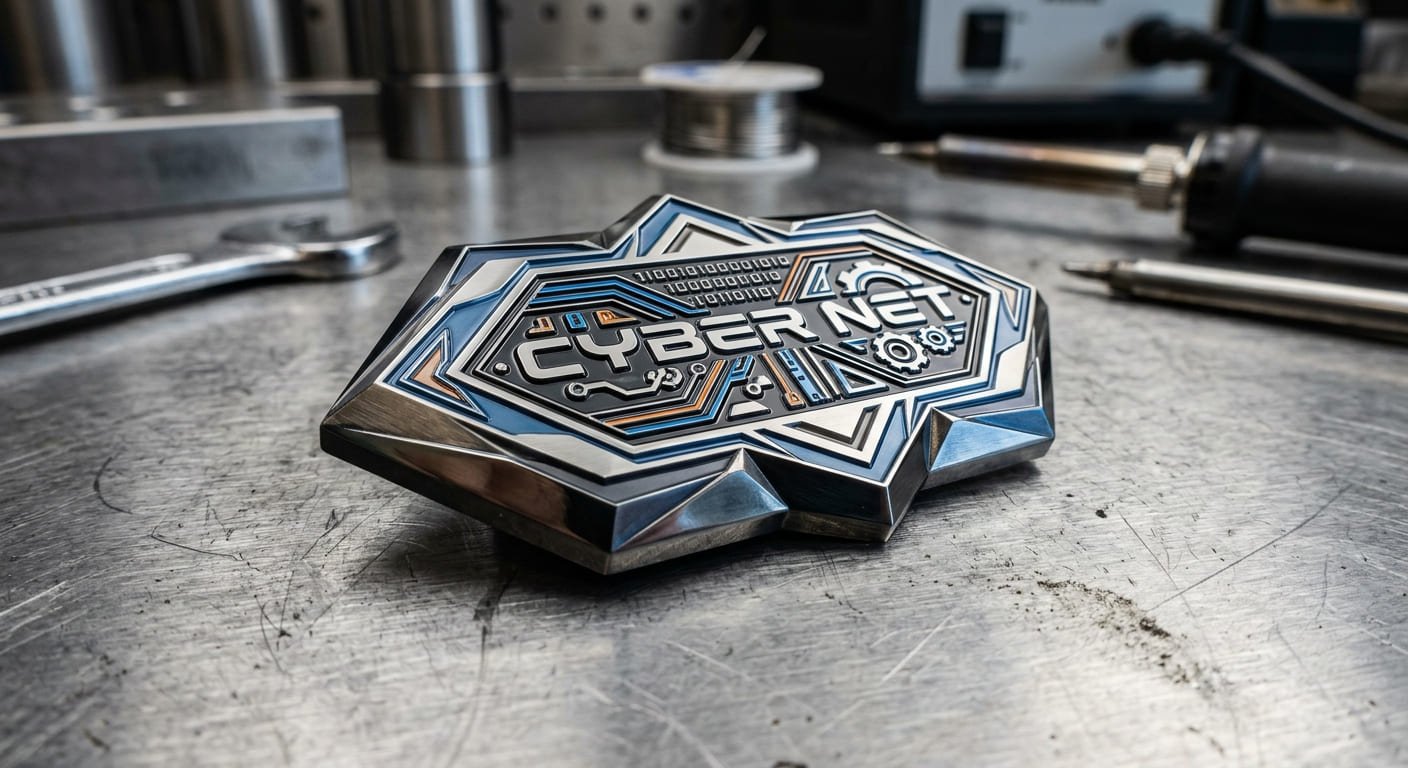
A beveled edge adds a textured, dimensional finish that works well for intricate designs or bold branding statements. These edges enhance visual interest by adding depth to the enamel pin’s surface.
Why beveled edges stand out
The sloped transition of beveled edges enhances designs by creating a subtle gradient effect or shadow between the edge and artwork. This makes the pin pop visually, particularly under different lighting conditions. Beveled edges are commonly used for pins that incorporate detailed 3D elements or designs requiring extra emphasis.3
Best design matches for beveled edges:
- Bold branding elements – Logos or iconic designs that demand a strong visual profile. 2. Industrial or tech-inspired themes – The beveled texture aligns well with rugged or futuristic aesthetics.
- Pins with complex shapes – Angular pins or non-standard geometries benefit aesthetically from beveled edges.4
Beveled edges are perfect for businesses or creators looking to embrace a little creative flair. One client designing limited-edition pins for a sci-fi convention opted for beveled edges to complement 3D robotic motifs and metallic plating.
What are raw cut edges for enamel pins?
Raw cut edges keep things simple and rugged by leaving the edges relatively unprocessed after cutting. These finishes tend to feel utilitarian and work better for designs that embrace minimalism or an unfinished industrial vibe.
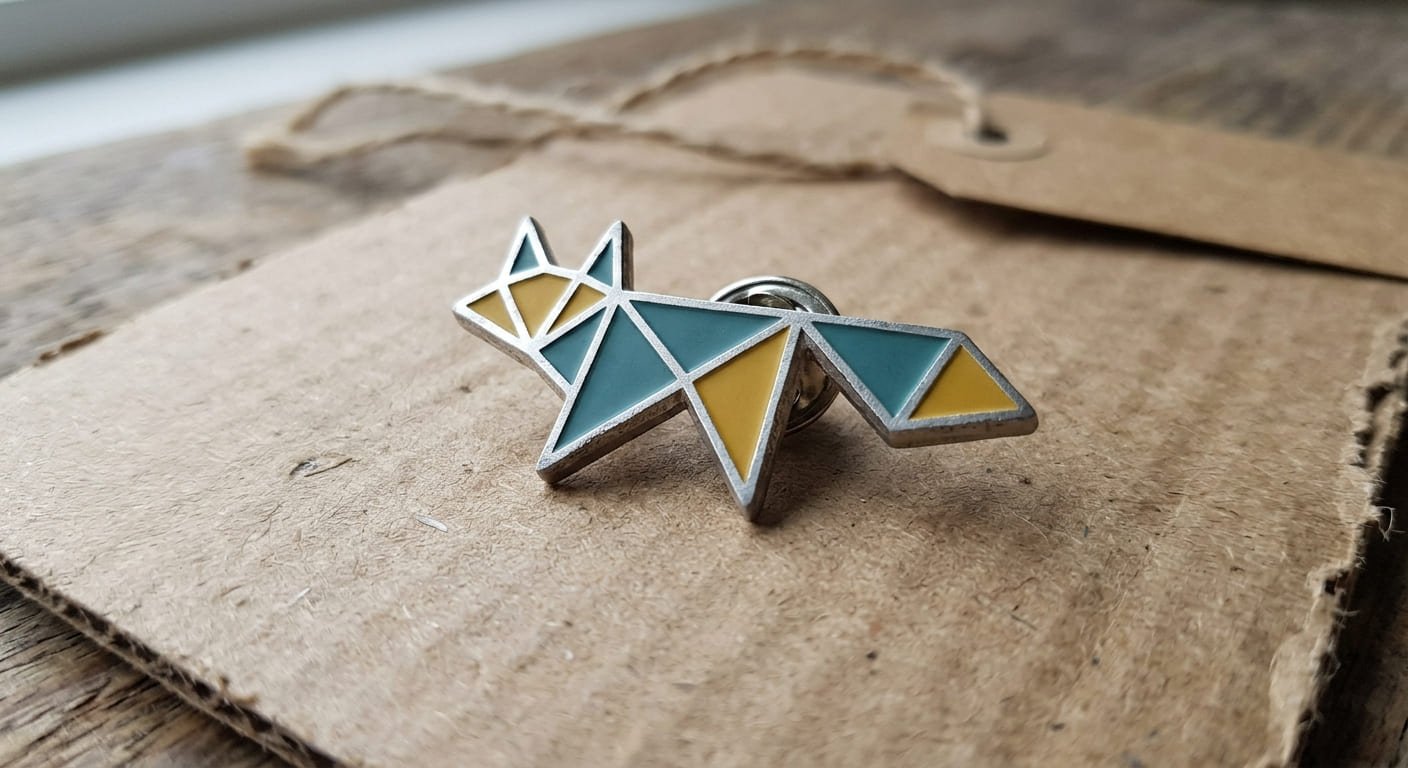
Raw cut edges retain the natural metal edge left after pin production, creating a durable and slightly rugged aesthetic. This finish is especially popular for pins with understated designs or utilitarian branding needs.
Why raw cut edges matter
Raw edges provide an unpolished, authentic look consistent with candid or casual themes. Additionally, they can reduce production costs slightly, which makes them appealing for bulk orders or budget-conscious creators. While they lack the reflective quality of polished edges, their emphasis on raw material makes an intentional design statement.
Best design matches for raw cut edges:
- Minimalist designs – Simple geometric shapes or monochromatic logos. 2. Casual or small-scale projects – Pins for causes or events with moderate budgets.
- Rugged branding – Industrial or eco-friendly themes benefit from raw metal textures.
A small business designing pins for indie rock bands might opt for raw cut edges to complement a rugged aesthetic, keeping production in line with their DIY branding ethos.
How to choose the right edge finish?
With three distinct options available, selecting the most suitable edge finish depends on your design goals, customer demographic, and branding aspirations.
Consider the following factors when deciding:
- Target demographic: Are you creating pins for professionals, collectors, or niche audiences? Polished edges often appeal to broader markets, while raw cuts suit younger or casual demographics.5 2. Brand identity: Does your brand focus on luxury (polished), bold statements (beveled), or simplicity (raw)? Match your finish to the feeling you want customers to associate with your pins.
- Cost-effectiveness: Raw cut edges may better fit projects with tight budgets, whereas beveled and polished edges typically heighten production costs slightly.
- Design compatibility: Soft motifs and colorful artwork are enhanced by polished edges, while geometric or angular designs benefit from beveled finishes.
Matching edge finishes to design and branding
| Edge Finish | Best Suited Design Style | Primary Appeal |
|---|---|---|
| Polished edges | Colorful, refined, luxurious | Elegance |
| Beveled edges | Bold, complex, angular | Depth and visual interest |
| Raw cut edges | Minimalistic, utilitarian, DIY | Rugged authenticity |
Frequently Asked Questions
What is the most popular edge finish for enamel pins?
Polished edges are the most common edge finish for enamel pins because of their versatility. They create a clean, professional look that suits a wide range of pin designs and industries.
Do edge finishes affect the durability of enamel pins?
Typically, no. Edge finishes primarily influence the aesthetic and texture of the pin. However, polished and beveled edges might feel smoother and more comfortable to handle compared to raw cut edges.
Can I combine edge finishes for a single design?
While uncommon, some manufacturers offer the option to combine edge finishes. For example, a beveled edge might be used on a large pin outline, paired with polished edges on smaller inner sections for added visual contrast.
Conclusion
Choosing the right edge finish for enamel pins involves balancing design compatibility, branding identity, and practical considerations like cost. Polished edges offer a refined, professional look, while beveled edges add depth and bold flair. Raw cut edges, on the other hand, deliver authenticity for minimalist or rugged designs. Ultimately, edge finishes work best when they enhance your pin’s aesthetic and resonate with your audience. Don't hesitate to consult your supplier for guidance tailored to your specific design goals.
"The sides of a custom enamel pin deserve attention too. Before ...", https://www.facebook.com/enamelpinscustom/videos/the-sides-of-a-custom-enamel-pin-deserve-attention-toobefore-polishing-the-pins/2307887316283035/. Design studies on enamel pins indicate that polished edges contribute to a refined and professional appearance, making them suitable for minimalistic and elegant designs. Evidence role: general_support; source type: research. Supports: Polished edges enhance the elegance and minimalistic appeal of enamel pins.. Scope note: The aesthetic impact may depend on the specific design and plating used. ↩
"The sides of a custom enamel pin deserve attention too. ...", https://www.facebook.com/enamelpinscustom/videos/the-sides-of-a-custom-enamel-pin-deserve-attention-toobefore-polishing-the-pins-/2307887316283035/. Studies on enamel pin manufacturing suggest that polished edges improve the clarity and vibrancy of detailed artwork by providing a smooth, reflective border. Evidence role: general_support; source type: research. Supports: Polished edges enhance the visibility and intricacy of detailed enamel pin designs.. Scope note: The enhancement may vary based on the complexity of the design and the materials used. ↩
"Do bevelled corners hold any practical advantages or ...", https://3dprinting.stackexchange.com/questions/20538/do-bevelled-corners-hold-any-practical-advantages-or-disadvantages-over-square-o. Industry reports on enamel pin manufacturing suggest that beveled edges enhance the visual impact of 3D designs by creating depth and shadow effects. Evidence role: general_support; source type: research. Supports: Beveled edges are often chosen for enamel pins with 3D elements or designs requiring emphasis.. Scope note: The preference for beveled edges may depend on the specific design goals and target audience. ↩
"The sides of a custom enamel pin deserve attention too. Before ...", https://www.facebook.com/enamelpinscustom/videos/the-sides-of-a-custom-enamel-pin-deserve-attention-toobefore-polishing-the-pins/2307887316283035/. Research on enamel pin design suggests that beveled edges add depth and texture to angular or irregular shapes, improving their visual impact. Evidence role: general_support; source type: research. Supports: Beveled edges enhance the aesthetic appeal of angular and non-standard enamel pin designs.. Scope note: The aesthetic benefits may depend on the specific geometry and design context. ↩
"Lens Edge Finishing: Importance and Techniques ...", https://www.fondvue.com/blogs/posts/lens-edge-finishing. Market research on enamel pins suggests that polished edges are favored for professional and luxury designs, whereas raw cut edges resonate with casual and younger audiences. Evidence role: general_support; source type: research. Supports: Polished edges appeal to broader markets, while raw cuts align with younger or casual demographics.. Scope note: The preferences may vary based on cultural and regional factors. ↩